Crete Greece
First off I will say that Crete is beautiful. However it will forever be remembered as the place where I had to hold going to the bathroom for hours because I could not find a public toilet. But before I get into that part, let me explain how I ended up here.
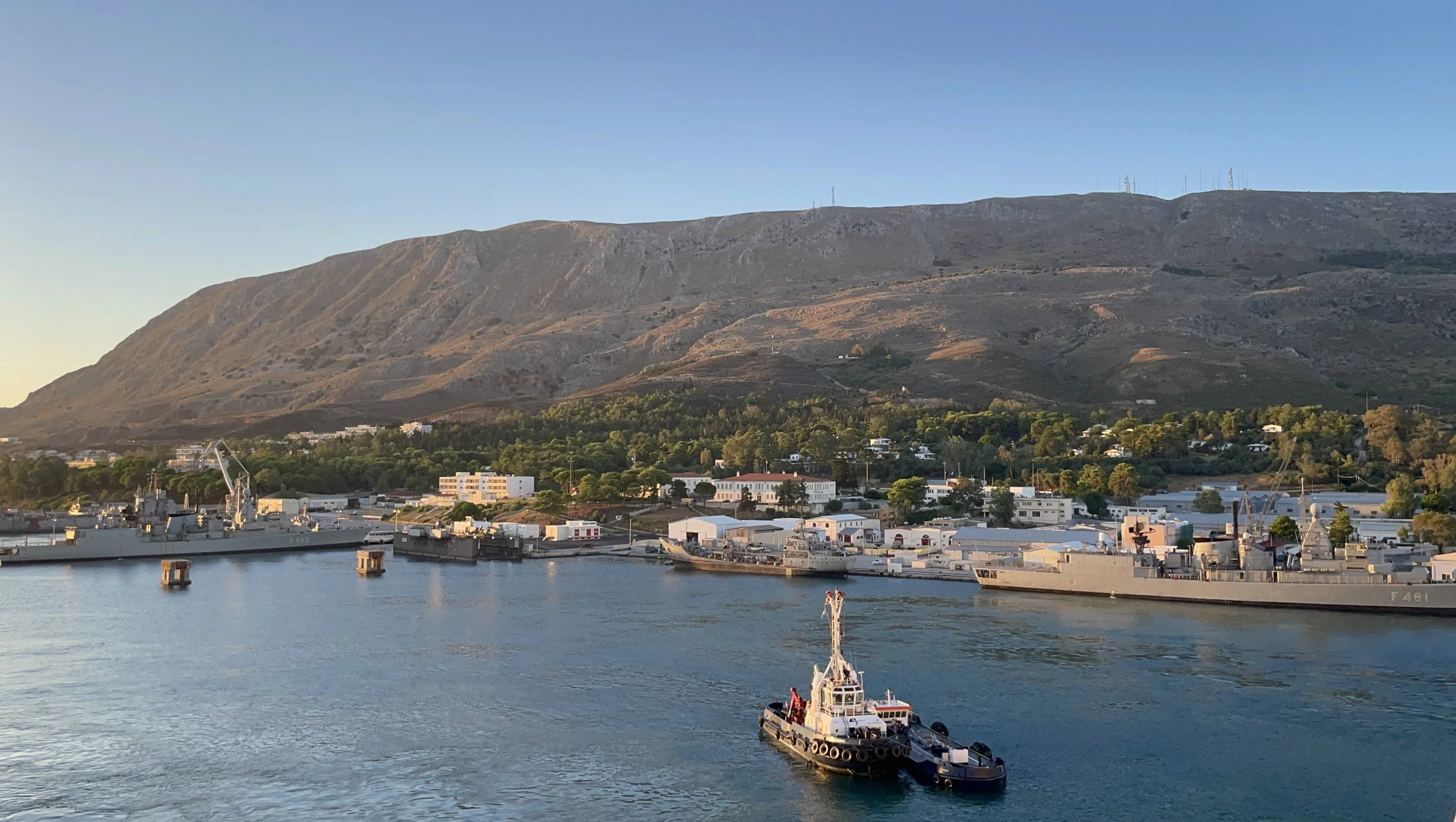
Crete was supposed to be the second island on my Mediterranean cruise, but it became the first after we could not stop in Mykonos due to high winds. We docked in Souda early in the morning. Souda is a working port, so the area looks industrial with ships, cranes, and a long concrete pier surrounded by the mountains. It is not a walk off and wander port. Most people either book a tour or take a bus or taxi straight into Chania. I booked a bus tour that would take me around a few highlights and then end in Chania.
A Bit About Crete
Crete is the largest Greek island and is known for small towns, historic sites, and long stretches of countryside. Olive trees grow almost everywhere, and thyme covers the hillsides, which is why the island produces so much olive oil and honey. These products are part of daily life here. The island is also shaped by layers of history including Minoan, Venetian, and Ottoman periods which is why you see a mix of forts, monasteries, and narrow streets depending on where you go.
Souda
Once the bus pulled out of the port, the scenery changes fast. The cranes and ships disappeared behind us and the road opened into rolling hills, olive groves, and clusters of white homes. The island feels wide and calm once you leave the waterfront. As the drive continued you pass farmland, open valleys, and stretches of coastline where the water sits far below the road. In some spots you can see the bay, the towns along the shore, and the mountains behind them at the same time. It is the kind of route where you end up looking out the window the entire time. These tours usually follow a simple route which includes one historic stop, a small village, and time in Chania at the end.
Fortress of Aptera
Aptera Fortress
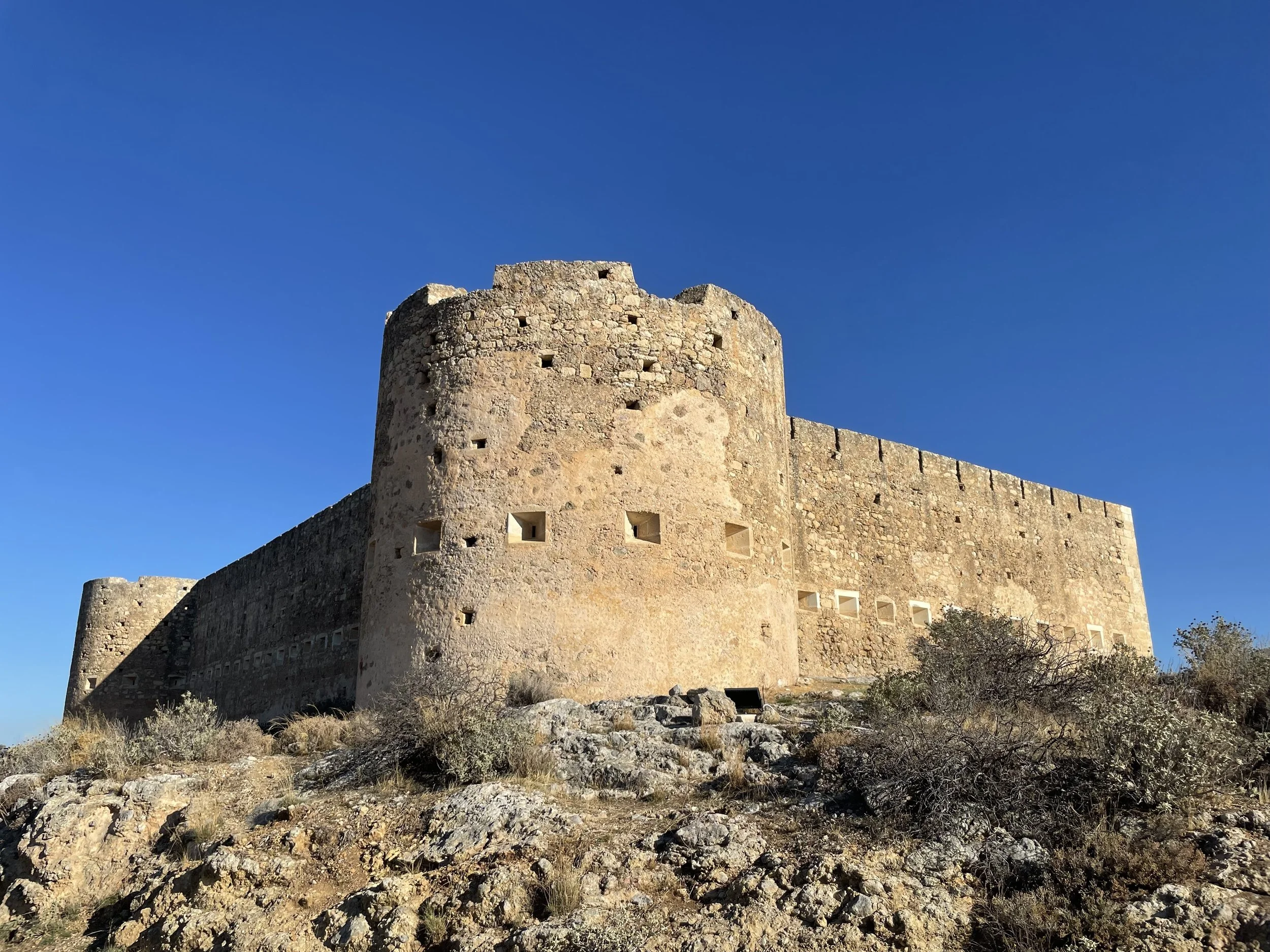
Our first stop was the Venetian fortress of Aptera. It sits above Souda Bay which gives you a clear view of the water and the countryside below. The stone walls, arches, and old cisterns are still standing. It is an open and quiet place where you can walk freely and take in the landscape from above. There are no crowds and no tight walkways, just space and a wide view that goes on for a long time.
Small Village Stops
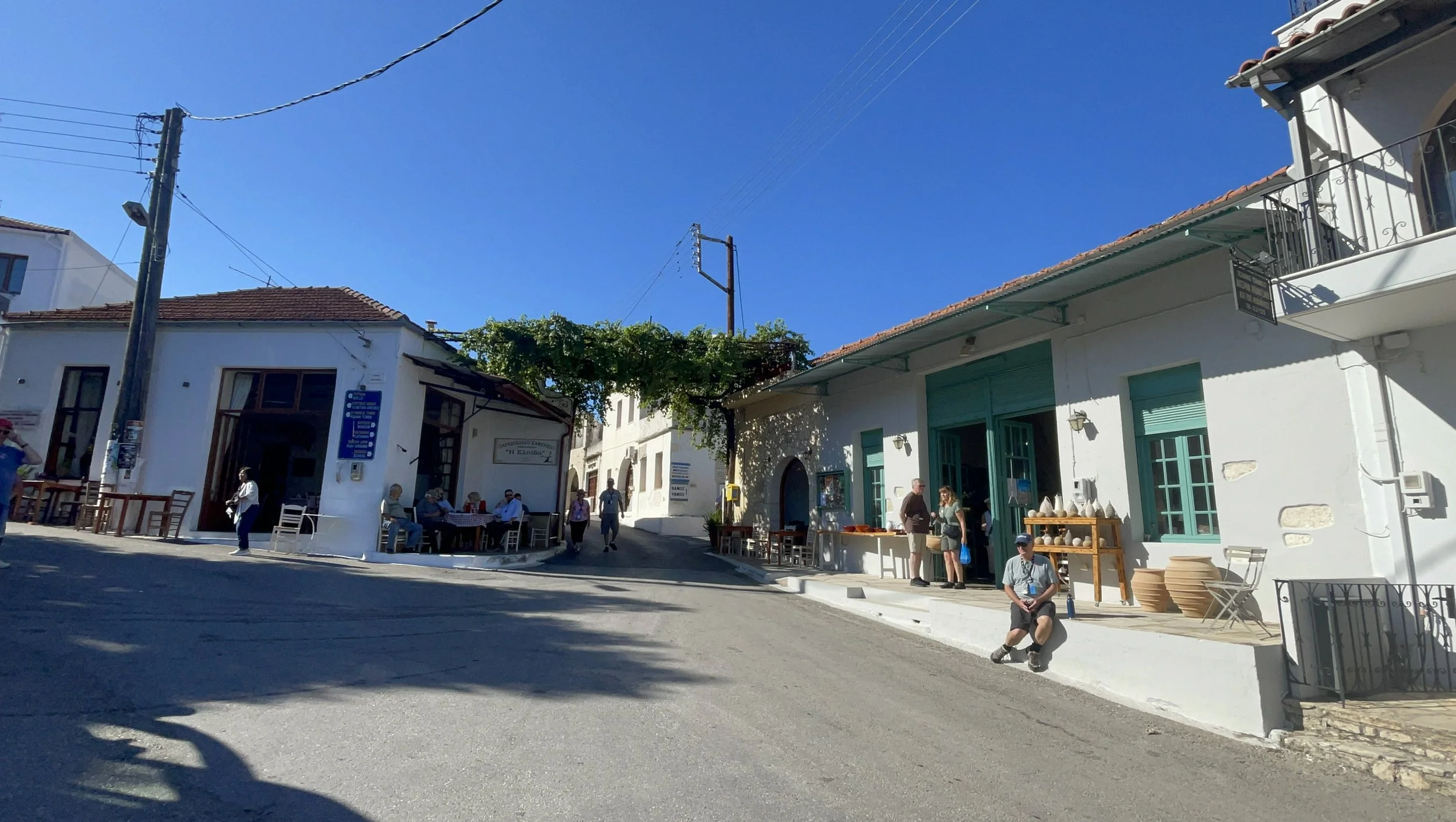
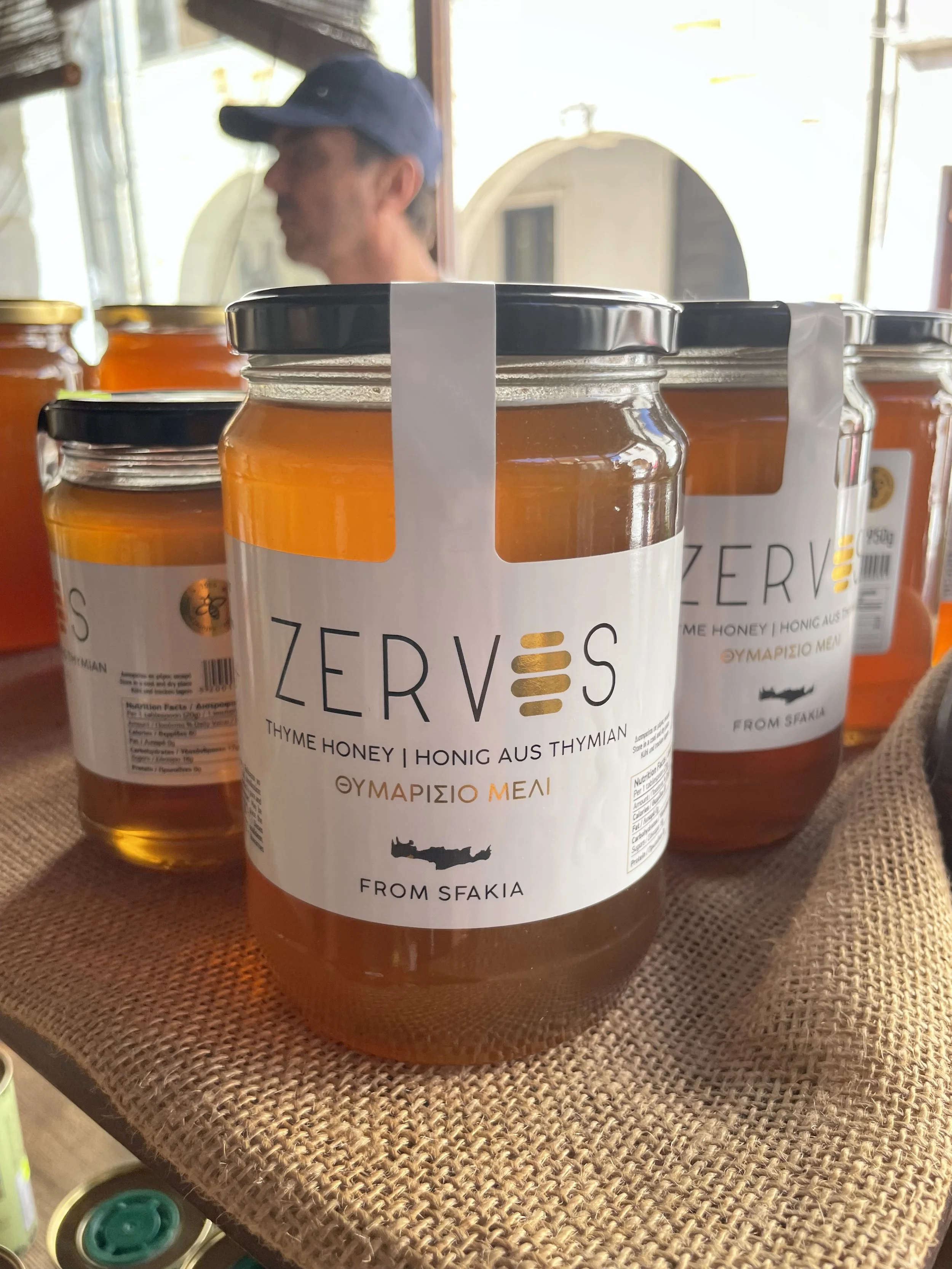
After the fortress the bus continued into the hills and stopped in a village. These towns are small with white buildings, narrow roads, and a couple of shops run by local families. You start to see why olive oil and honey are such a big part of Crete. The island is covered in olive trees and many families make their own oil. Thyme grows naturally across the hills which gives the honey here its sharp floral taste. I tried both during the stop and the honey especially stood out. It was a simple visit but a good look at daily life on the island.
You will also see items like raki which is a local spirit, herbs, and handmade soaps in these shops. They are not tourist traps. Most are family run and the products come from their own farms or neighbors.
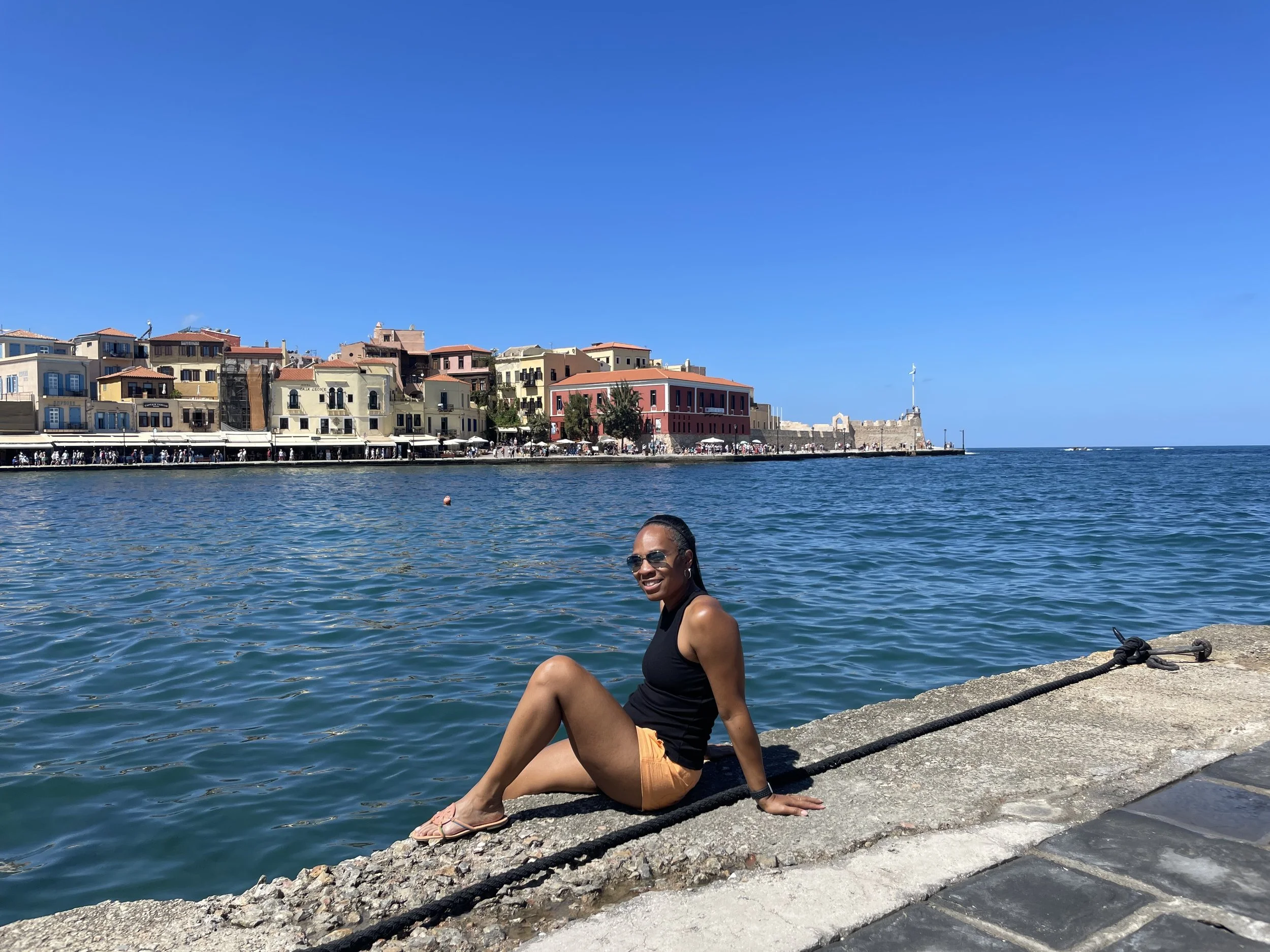
Chania Old Town
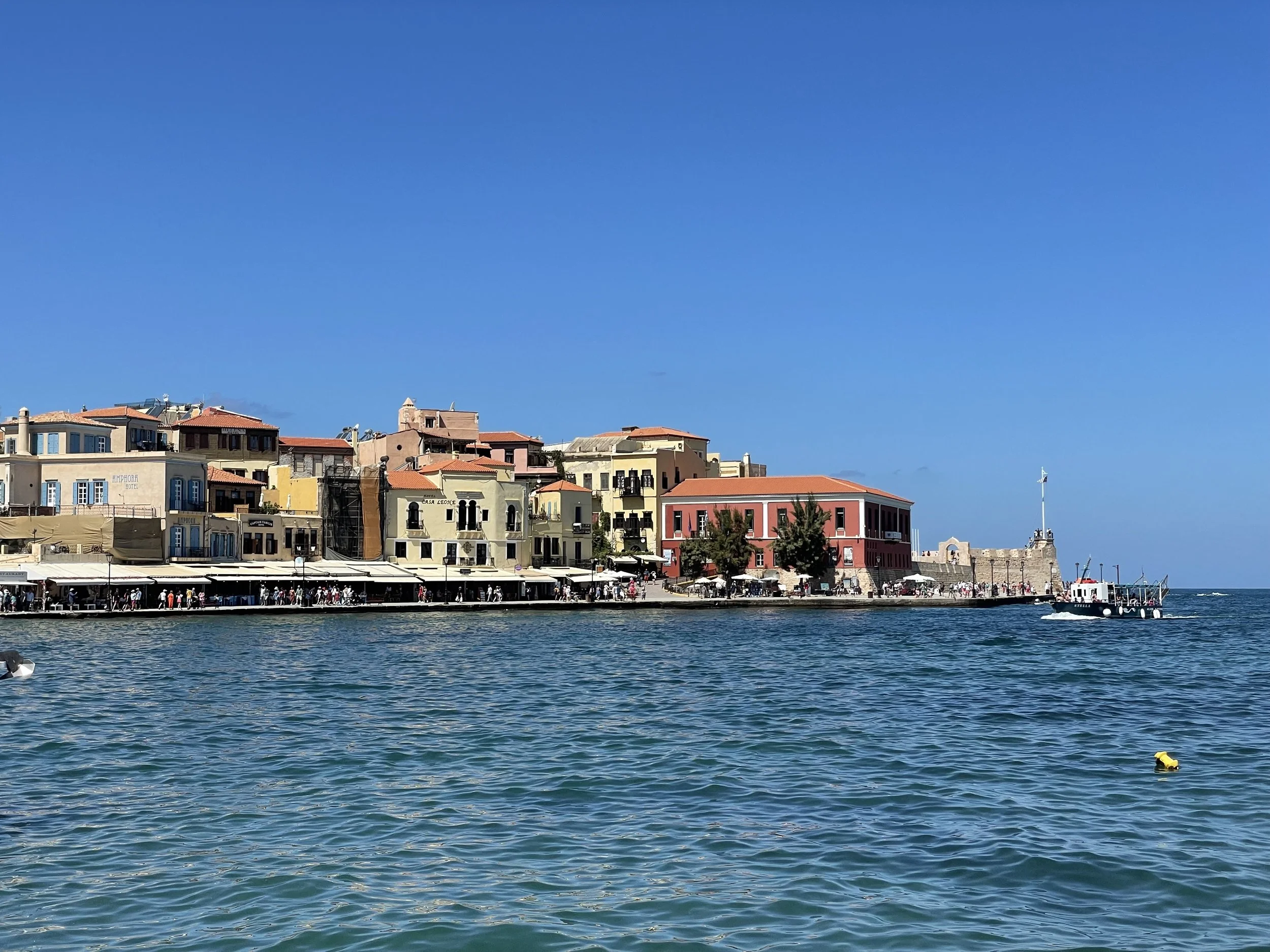
Chania was the final stop of the day and the busiest. This is also where my bathroom problem reached its peak. The earlier stops had no public restrooms which was expected. I assumed Chania would have more options, which they did however they were not accessible. Most businesses only let customers use their bathrooms and with limited time in the city I could not sit down for a full meal. After several attempts I gave up and just dealt with it. Wandering with a full bladder was not the most comfortable way to explore, but I still managed to see a few things.
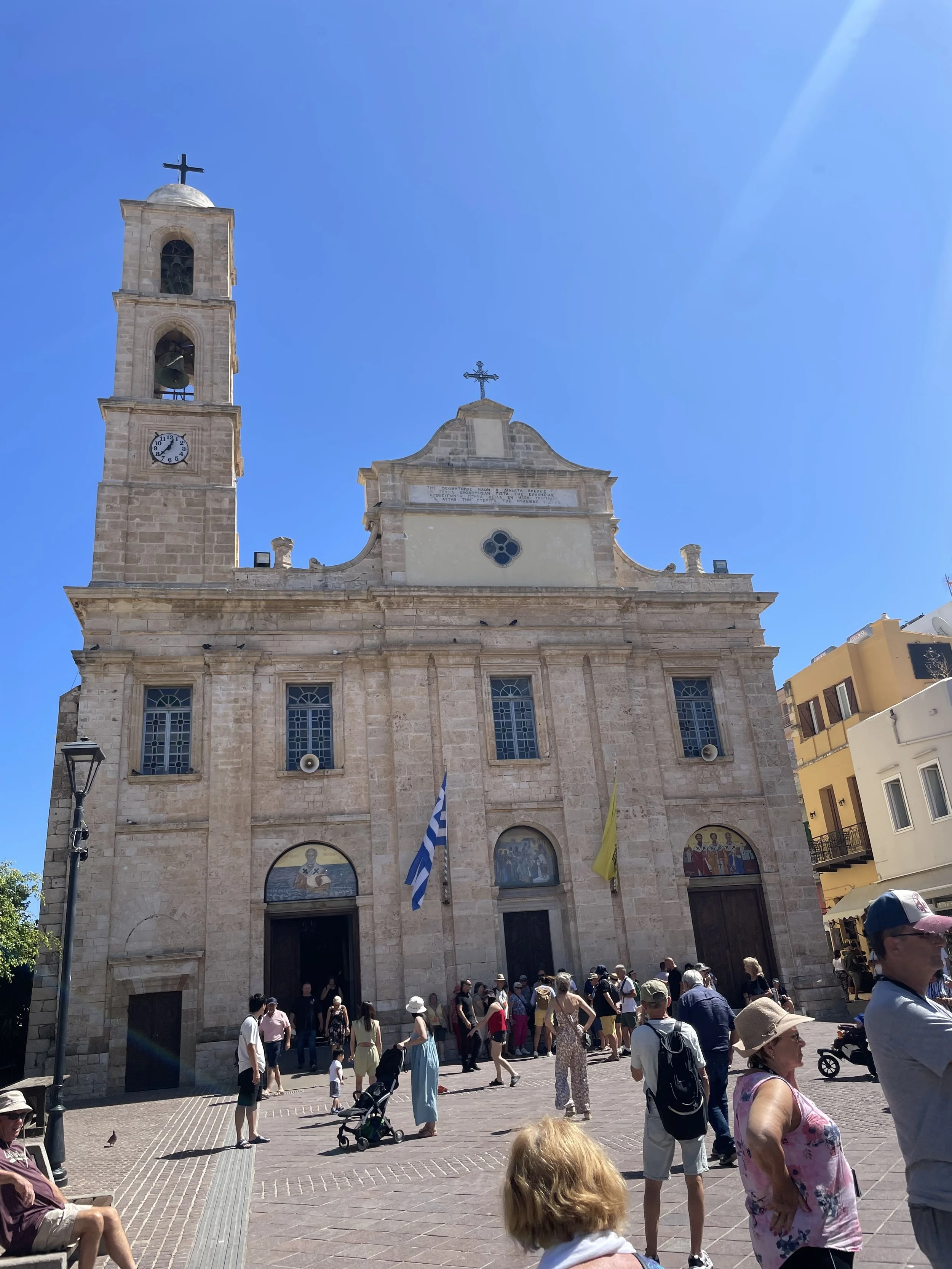
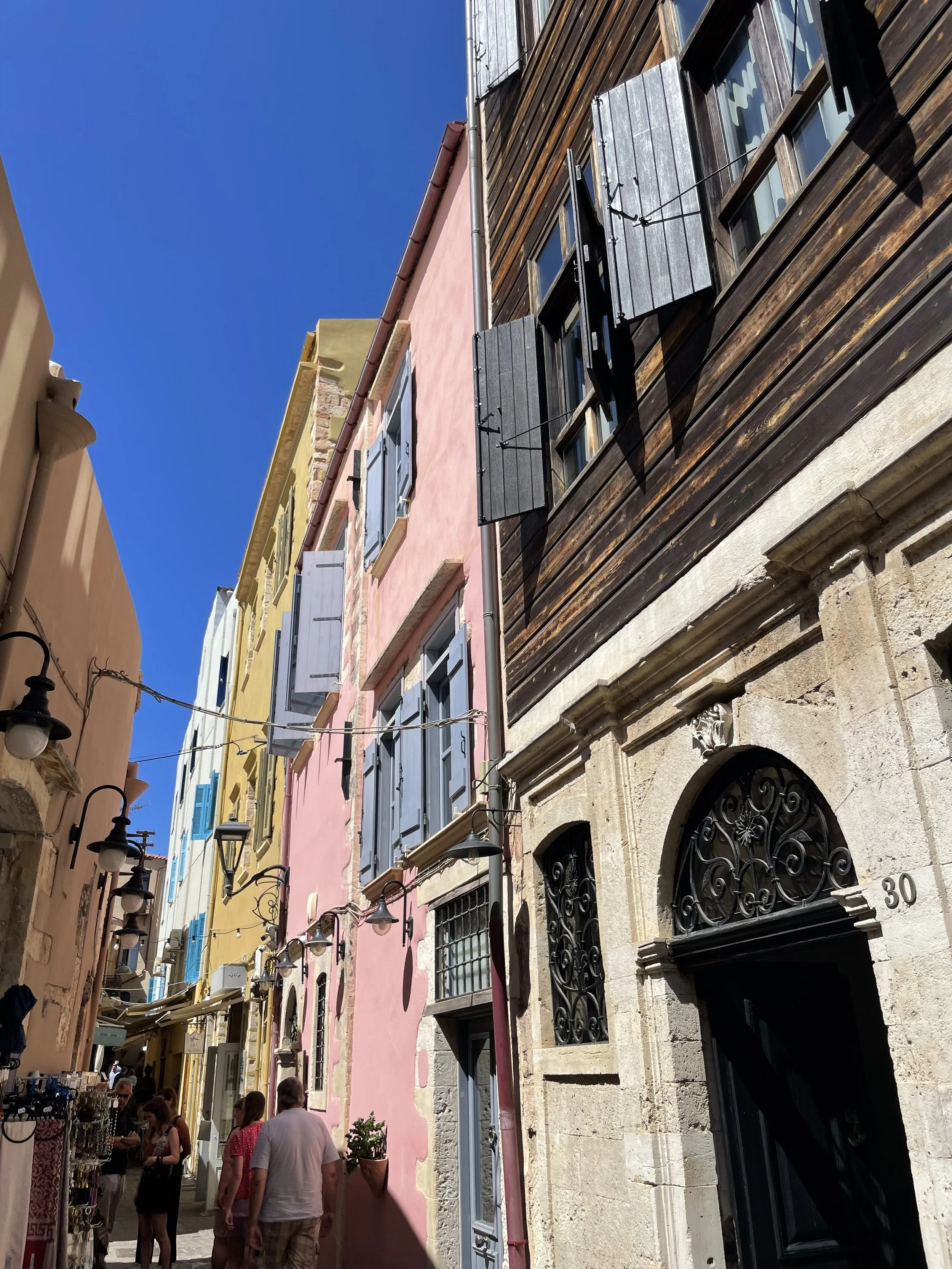
The old town has a large open square with restaurants, shops, and a church facing the plaza. Once you move past the square the streets become narrow with colorful buildings close together. Bakeries, small stores, and cafes fill the corners. You can move from quiet alleys to busy walkways in seconds. The waterfront is the most recognizable part of Chania. The harbor curves in a wide half circle with restaurants along the water and a lighthouse across the bay. On a clear day the buildings and the water look bright and clean. It is an easy area to walk through or sit by the harbor.
If you wander a bit you will also see the covered market building where vendors sell cheese, herbs, olives, and souvenirs. It is currently undergoing renovation but will reopen as a main market again. Most cruise excursions last four to six hours which means Chania is where you spend the largest portion of your time. It is enough to walk the waterfront, explore a few streets, shop, or sit by the water before heading back to the ship.
How to Get Around
Outside of cruise tours, getting around Crete is straightforward. Buses run between major towns and are inexpensive, though they take longer than driving. Taxis are easy to find in the main cities. Renting a car is common and gives you freedom to explore beaches, mountain villages, and countryside on your own schedule. Roads along the coast are well maintained while rural roads can be narrow and winding. In Chania the streets are very tight which makes parking outside the center and walking in the easiest option.
Currency
Greece uses the euro. Credit and debit cards are widely accepted in larger towns and tourist areas, especially Visa and Mastercard. You will want some cash for small purchases in villages or market stalls. ATMs are available in cities and at the airports.
Food to Try
A few local foods to look out for include
• Cretan honey which is usually thyme based
• Olive oil which is often available at tastings in villages
• Dakos which is a salad on barley rusks with tomato, cheese, and olive oil
• Sfakian pie which is a thin cheese pie drizzled with honey
• Local cheeses such as mizithra and graviera
• Bougatsa which is warm filo pastry filled with cheese or custard depending on the shop
Quick Tips
• Keep coins for small purchases in villages
• Expect narrow streets in old towns like Chania
• If you need a restroom, buy a small snack or drink and use the cafe facilities
• Sun protection is essential because there is little shade on the drives
• Crete has a slower pace once you leave the cities
If You Have More Time
Crete has plenty to offer. A few popular options include
• Balos Lagoon with turquoise water and a shallow sandbar
• Elafonissi Beach with pink sand on the southwestern coast
• Seitan Limania which is a narrow cove with bright blue water
• Knossos Palace which is an ancient Minoan site tied to the Minotaur legend
• Heraklion Archaeological Museum which has artifacts connected to Knossos
• Rethymno Old Town with Venetian style streets and a waterfront
• Samaria Gorge which is a full day hike through a deep mountain gorge
• Lake Kournas which is Crete’s only freshwater lake
• Arkadi Monastery which is a historic monastery with quiet grounds
• Loutro which is a small seaside village reachable only by boat or foot
• Matala Beach which has cliffside caves and a relaxed beach town
• Vai Palm Forest Beach which has a natural palm forest and clean shoreline
• Agios Nikolaos which is a lakeside town with cafes and views
• Spinalonga Island which has a Venetian fortress and was a former leper colony