Tips For Traveling In Hot Climates
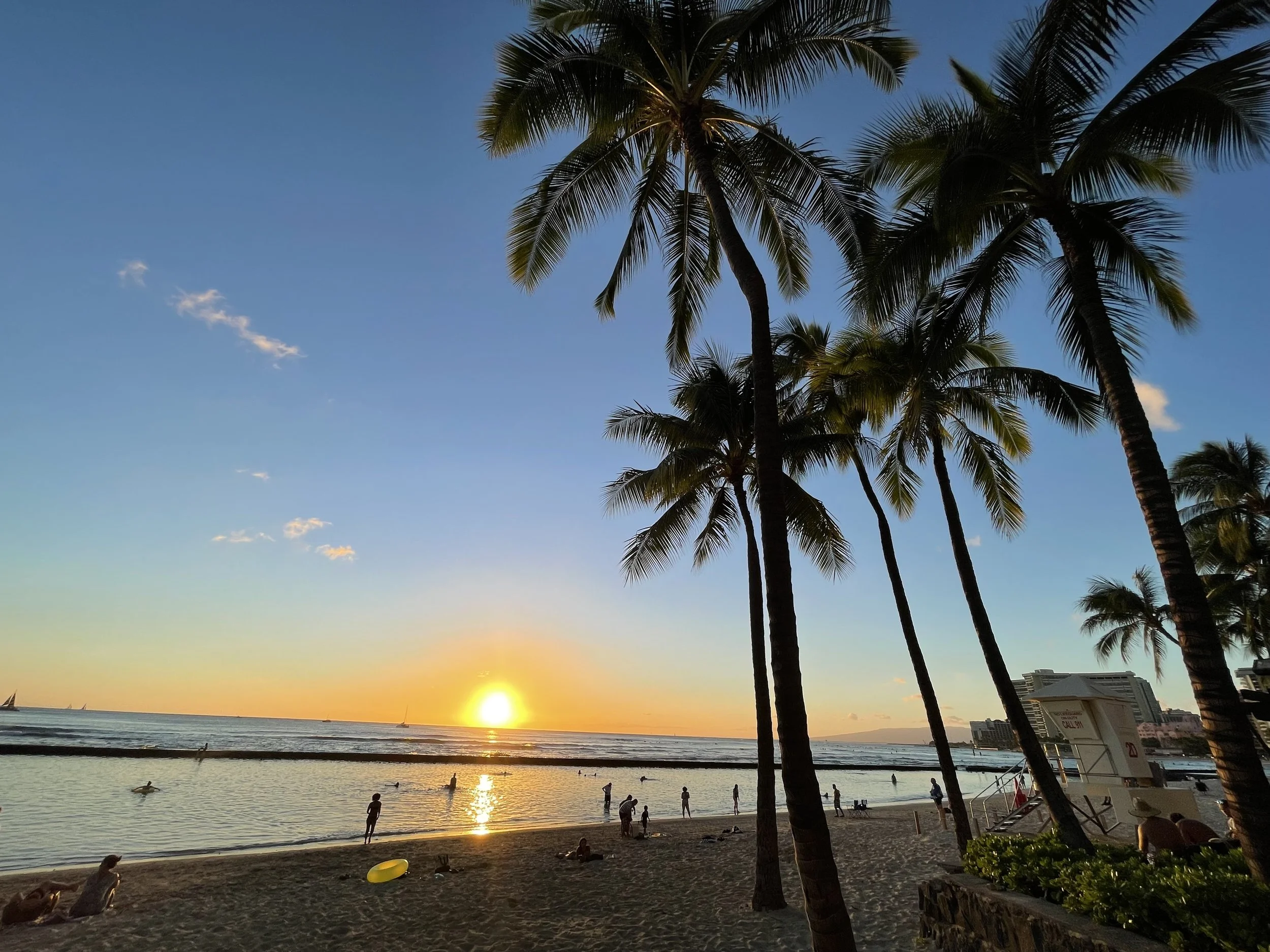
We have reached that glorious time of year where the outdoors start calling people out to explore. Kids are out of school, the days are long, and vacation plans start filling the calendar. There are beaches to visit, rivers to float down, mountains to hike, and restaurant patios to sit on long after the sun goes down. Summer travel season is officially here.
Of course, with that, comes summer heat.
One thing you may underestimate is that not all heat is created equally. The dry heat of the desert feels completely different from the heavy hovering humidity found in tropical and equatorial regions. Each climate comes with its own challenges, and understanding the difference can make your trip much more enjoyable.
So before you head out into the summer sun, here are a few things worth keeping in mind depending on the kind of climate you are traveling to.
Quick Heat Survival Tips
Hydrate constantly, not just when you feel thirsty
Replace electrolytes in extremely hot or humid climates
Avoid high exertion activities during the hottest part of the day
Plan hikes, walking tours, and outdoor sightseeing for mornings or evenings
Wear lightweight breathable clothing
Use sunscreen even on cloudy days
Find shade whenever possible
Wear a hat and sunglasses
Pay attention to how your body feels throughout the day
Dizziness, nausea, headaches, and unusual fatigue are warning signs
If you suddenly stop sweating while overheated, cool down immediately
Do not assume air conditioning will be strong or widely available
Watch what local people are doing and follow their lead
Slow down and pace yourself in tropical and equatorial climates
Carry more water than you think you need in desert regions
Beaches, cruise ship decks, ruins, and open plazas often feel hotter because of reflected sunlight
Some destinations stay hot well into the evening, especially humid tropical climates
Traveling In Dry Desert Heat
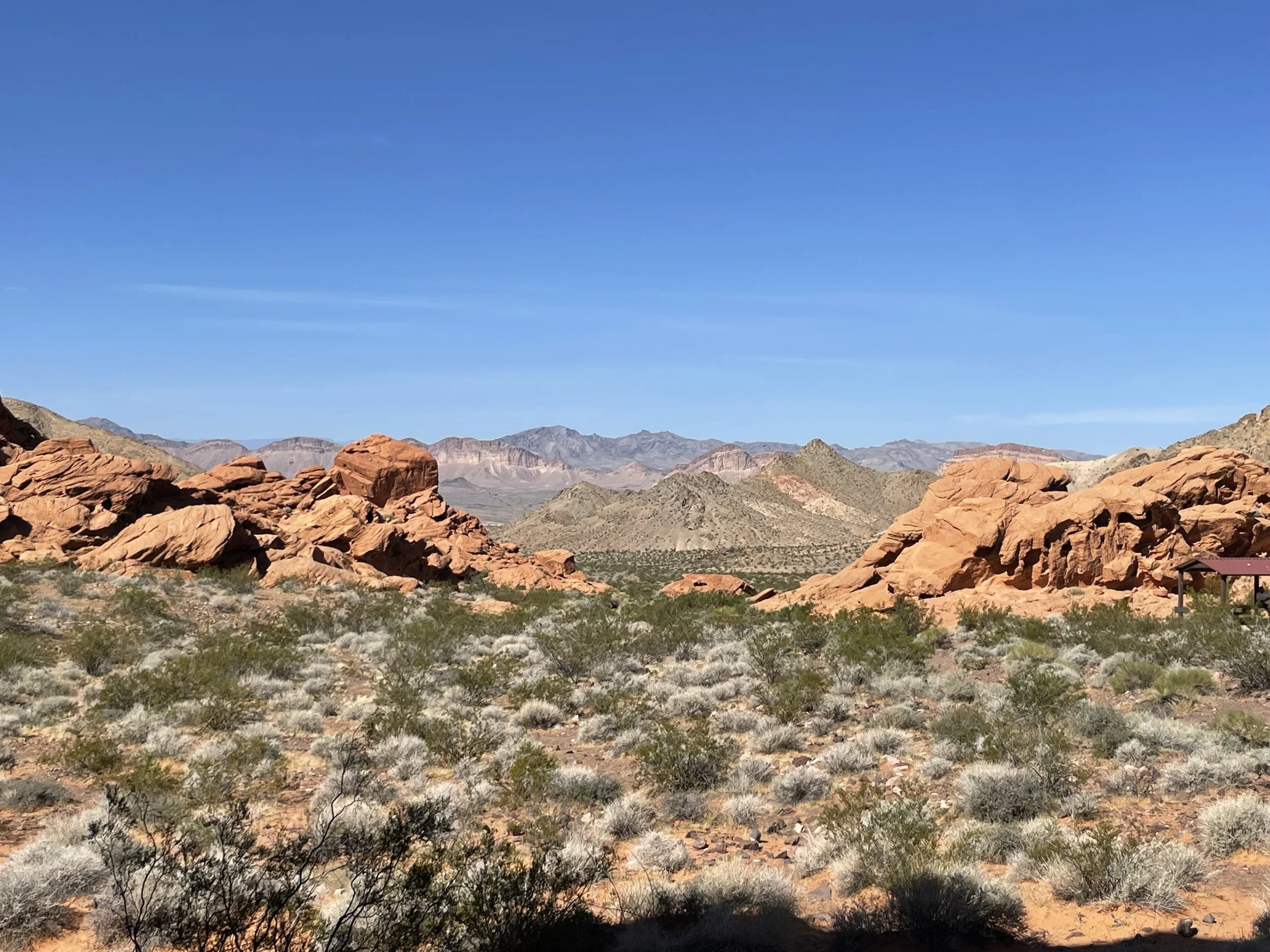
Dry climates like the American Southwest, inland Australia, northern Africa, parts of the Middle East, and sections of Spain can become brutally hot during the middle of the day. Dry air allows sweat to evaporate quickly, which helps your body cool itself more efficiently. That is why stepping into the shade in desert climates often feels noticeably cooler than stepping into the shade in humid tropical regions.
Because sweat evaporates so quickly in dry climates, you may not realize how dehydrated you are becoming until you already feel exhausted or sick.
One thing you may also underestimate in desert climates is reflected heat. Sunlight bouncing off sand, rock, pavement, and canyon walls can make places feel much hotter than the actual air temperature suggests. Rental cars can turn into ovens in a matter of minutes, and things like steering wheels, seatbelt buckles, and leather seats can become painfully hot very quickly.
Tips For Desert Climates
Carry more water than you think you need
Plan hikes and outdoor activities early in the morning
Avoid long periods of direct midday sun
Wear breathable loose fitting clothing
Do not underestimate dehydration just because you “don’t feel sweaty”
Use sunscreen even if the air feels dry
Rest in shaded areas whenever possible
Places like Death Valley National Park and White Sands National Park can feel especially intense because sunlight reflects strongly off the landscape itself.
Traveling In Tropical And Humid Climates
Tropical climates work differently.
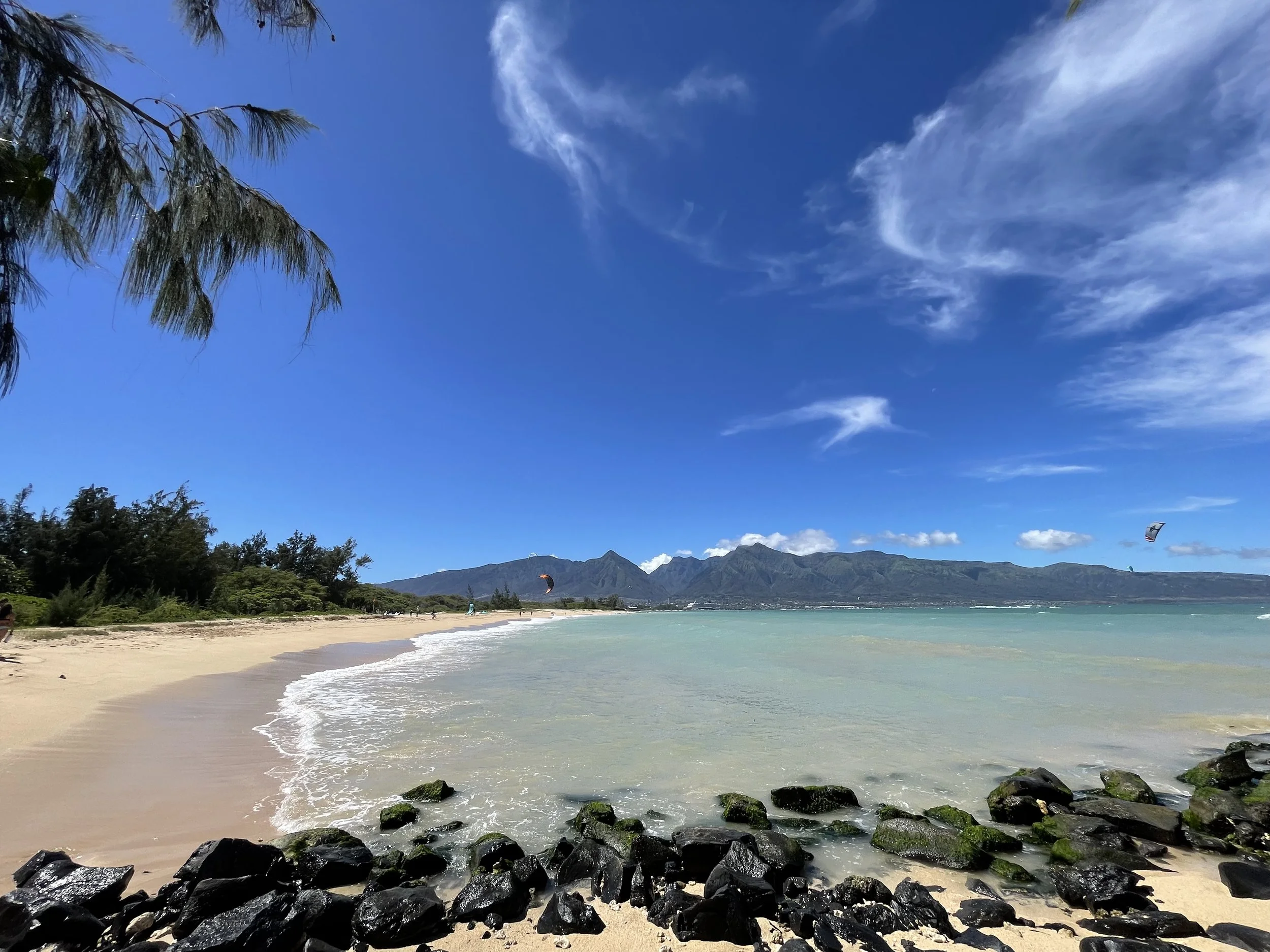
Places like the Caribbean, coastal Mexico, Singapore, Thailand, southern Japan, southern Florida, and equatorial regions in Central and South America tend to hold heat well into the evening. The humidity makes it harder for sweat to evaporate, which means your body struggles to cool itself efficiently.
This is the kind of heat where you can walk outside and immediately feel sticky.
One thing you may notice in tropical climates is that the heat tends to wear you down slowly over the course of the day. You may feel completely fine at first and then suddenly hit a wall later in the afternoon.
Humidity also tends to make sleep harder. Even after the sun goes down, the air can still feel warm and heavy, especially in destinations where air conditioning is limited.
Cooling towels are one of the few travel gadgets that actually work surprisingly well in humid climates. Wrapping one around your neck while walking through cities, ruins, cruise ports, or long outdoor lines can make a noticeable difference.
Another thing you may not be prepared for is that air conditioning is not always as strong or as common as what you may be used to in the United States. Some hotels, trains, restaurants, and public buildings rely more on fans, airflow, and open air designs instead of aggressive cooling.
Mosquitoes and insects also tend to become much more noticeable in hot humid climates, especially near water and during evenings.
Tips For Tropical Climates
Hydrate constantly throughout the day
Replace electrolytes, not just water
Slow your pace during the afternoon
Take breaks indoors whenever possible
Wear lightweight breathable fabrics
Keep physically demanding activities for mornings or evenings
Pay attention to signs of heat exhaustion
Expect warm evenings and nights
Carry insect repellent in humid regions
High Altitude Heat And Sun Exposure
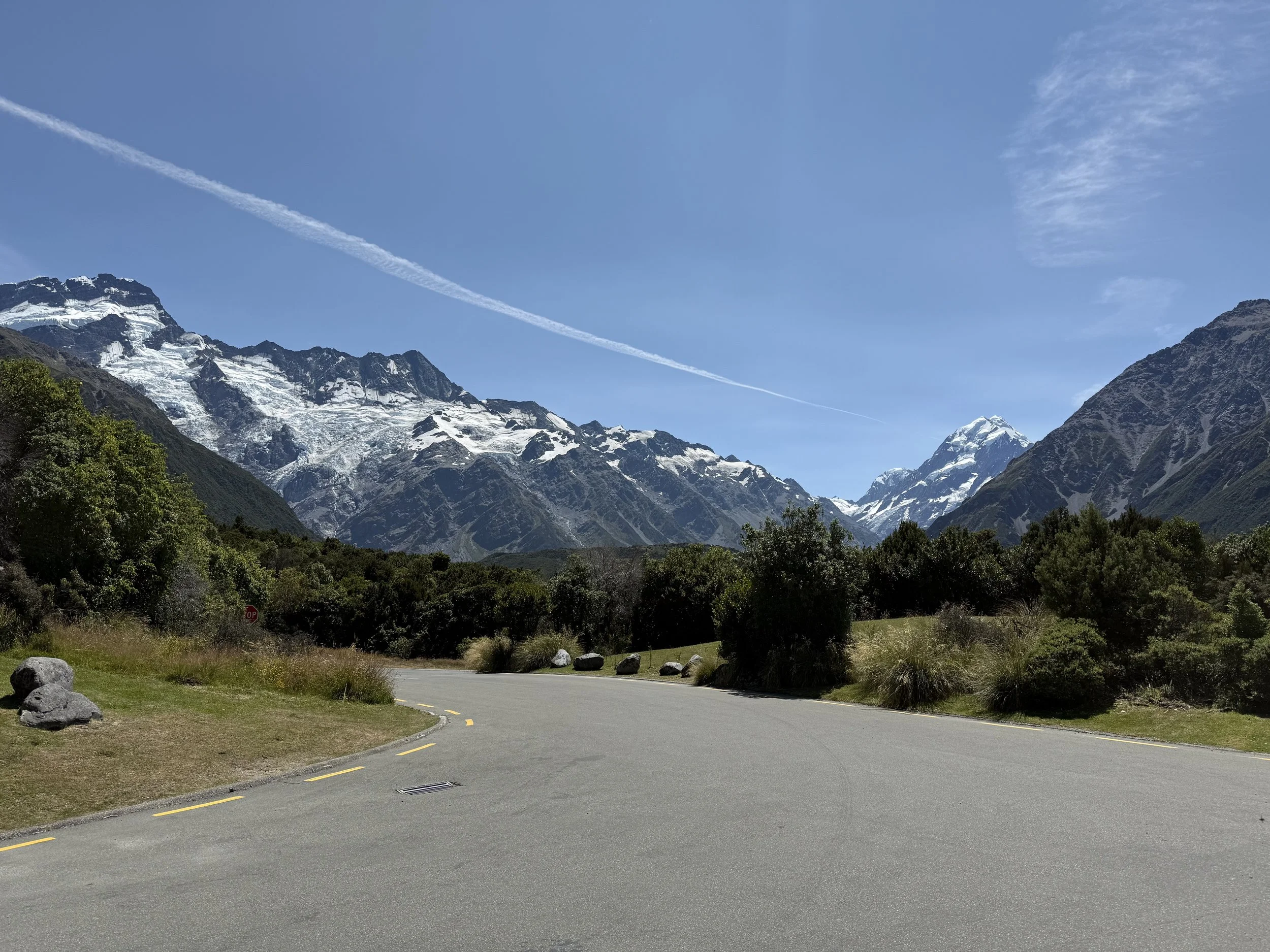
One thing you may not expect is how intense the sun can feel at higher elevations.
Places in the Andes, part of Colorado, Peru, Bolivia, or northern Mexico may feel cooler temperature wise, but the UV exposure can still be extremely strong.
This often catches people off guard because cooler air does not always feel dangerous.
In addition, high altitude combined with heat can become physically draining especially during hikes or long outdoor excursions.
Tips For High Altitude Destinations
Wear sunscreen even when temperatures feel cool
Stay hydrated constantly
Pace yourself physically
Wear hats and sunglasses
Expect stronger UV exposure than you may be used to

Sun Exposure Adds Up Faster Than You Think
One thing you may underestimate in hot climates is how quickly sun exposure builds throughout the day.
A lot of people only think about sunscreen when they are going to the beach or laying by a pool, but some of the worst sunburns happen while simply walking around sightseeing for hours without realizing how much exposure is building up.
Cruise ports, archaeological ruins, city walking tours, beaches, hiking trails, and national parks often involve long stretches with very little shade. Add reflective surfaces like sand, pavement, water, glass, or white stone into the mix and the sun becomes even more intense because UV rays are bouncing back upward at you.
Places like White Sands National Park can feel especially intense because sunlight reflects strongly off the bright landscape itself. Beaches and cruise ship pool decks can do the same thing.
One thing you may also not realize is that you can still burn badly on cloudy days, especially in tropical climates or at higher elevations. The temperature outside does not always match the intensity of the UV exposure.
That is why sunscreen, hats, sunglasses, and breathable protective clothing matter even when the weather itself feels manageable.
This is also one reason many local people in hotter climates tend to cover more skin than tourists expect. Lightweight long sleeves, hats, umbrellas, and breathable fabrics are often less about fashion and more about limiting direct sun exposure throughout the day.
And honestly, a bad sunburn has a way of ruining the rest of your trip surprisingly fast. Once your skin is burned, everything becomes more uncomfortable. Walking feels worse, sleeping feels worse, carrying a backpack feels worse, and being back out in the heat the next day becomes miserable.
A little sunscreen and shade is a lot easier than trying to recover from a severe burn halfway through your vacation.
Watch What The Locals Are Doing
One of the best travel tips in general is simply paying attention to the people who actually live there.
If local people are carrying umbrellas, sitting in shaded areas, dressing in lightweight long sleeves, or avoiding the hottest part of the afternoon, there is usually a reason for it.
One thing you will notice in many tropical and equatorial destinations is how often local people use umbrellas for shade. After enough time standing in direct sun with very little cover available, you start understanding why.
It is easy to dress for the vacation photo and forget that you may be outside in the heat for eight straight hours.
Timing Matters More Than You Think
One of the biggest mistakes you can make is trying to do everything during the hottest part of the day.
Beaches, archaeological sites, national parks, cruise ports, and large cities can become miserable during peak afternoon heat, especially when there is little shade available.
There is a reason many warm weather destinations slow down during the afternoon and become active again after sunset.
Best Times For Outdoor Activities
Early morning
Late afternoon
Evening
Worst Time For High Exertion Activities
Roughly late morning through mid afternoon depending on the climate
If possible, use the hottest hours of the day for lunch, museums, shopping, or simply resting somewhere cool.
Things You May Underestimate About Heat
One thing heat does particularly well is slowly draining your energy without you realizing it.
You may assume you are simply tired from walking more, but heat and humidity can wear your body down surprisingly fast over multiple days.
Cloudy weather can also be misleading. You can still get heavily sunburned in tropical destinations even when the sun is hidden behind clouds.
One thing you may rarely think about is how much heat affects your feet. Long days of walking combined with high temperatures can cause swelling and discomfort surprisingly quickly, especially in cities and theme parks. Breathable shoes and moisture wicking socks help far more than many people realize.
Phones and electronics also do not handle extreme heat very well. Leaving a phone in direct sunlight at the beach, on a car dashboard, or even exposed on a cruise deck can cause it to overheat and shut down completely.
The same goes for medications. Certain prescriptions can become less effective or even unsafe if left in extremely high temperatures for long periods of time. Leaving medication in a hot rental car in desert climates is usually not a great idea.
Heat can also affect:
electronics
medications
sunscreen
snacks and food left in bags or cars
And honestly, some excursions feel much harder in person than the brochure makes them sound once extreme heat gets involved.
Hydration And Heat Exhaustion
Most people walk significantly more while traveling than they do at home. Add heat, humidity, direct sunlight, and dehydration into the mix and you can start feeling sick surprisingly fast.
One thing worth paying attention to is how your body actually feels throughout the day.
Warning signs can include:
dizziness
headaches
nausea
chills
unusual fatigue
weakness
confusion
Oddly enough, suddenly stopping sweating while still feeling overheated can also become dangerous quickly.
A lot of people push themselves too hard because they feel pressure to maximize every minute of a trip. Usually that just leaves you exhausted and miserable by the end of the day.
Hopefully this information helps you stay safe, avoid the worst of the heat, and have the best summer possible.