The Bahamas
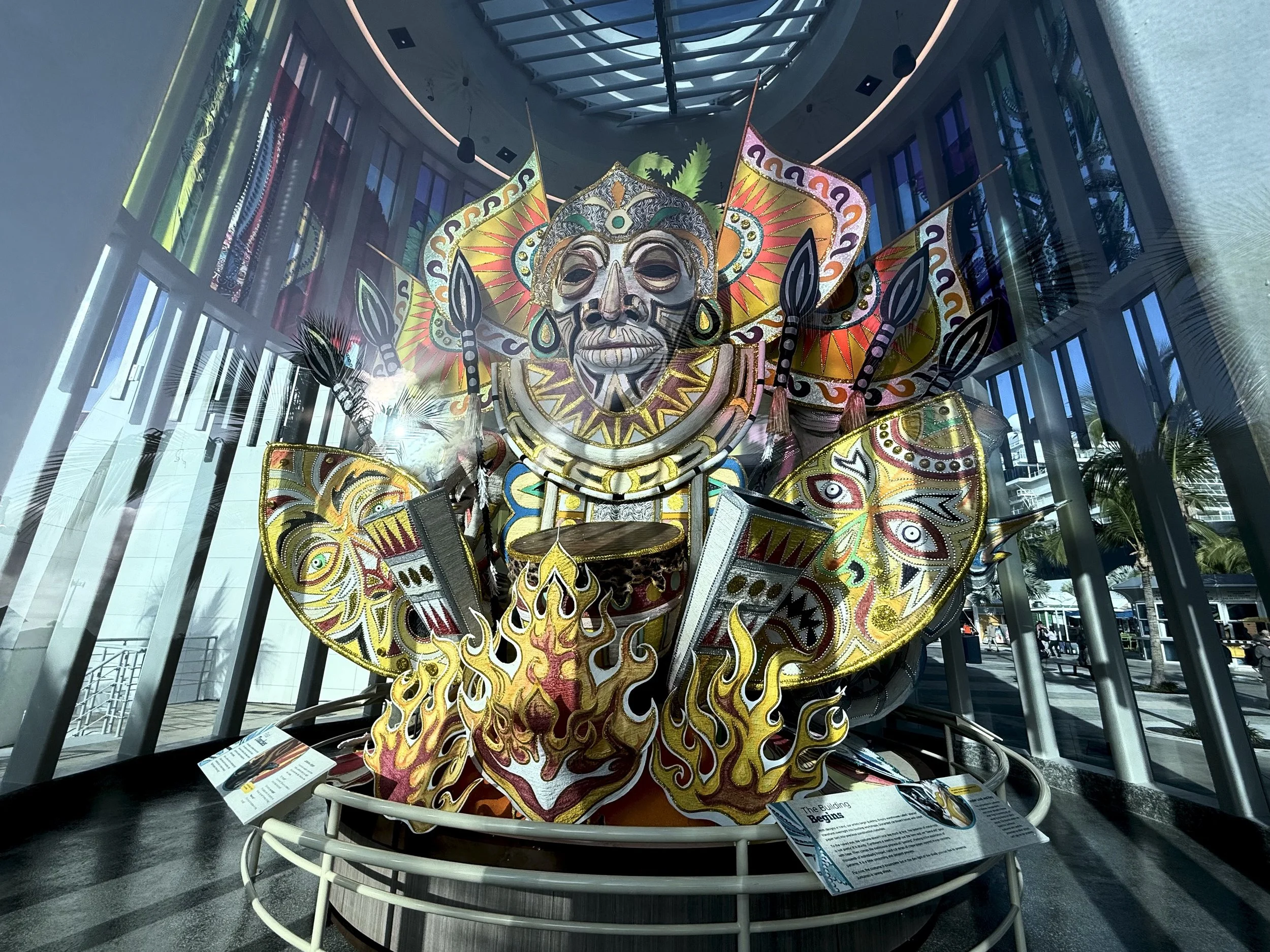
Large Junkanoo Costume at the Museum of Junkanoo
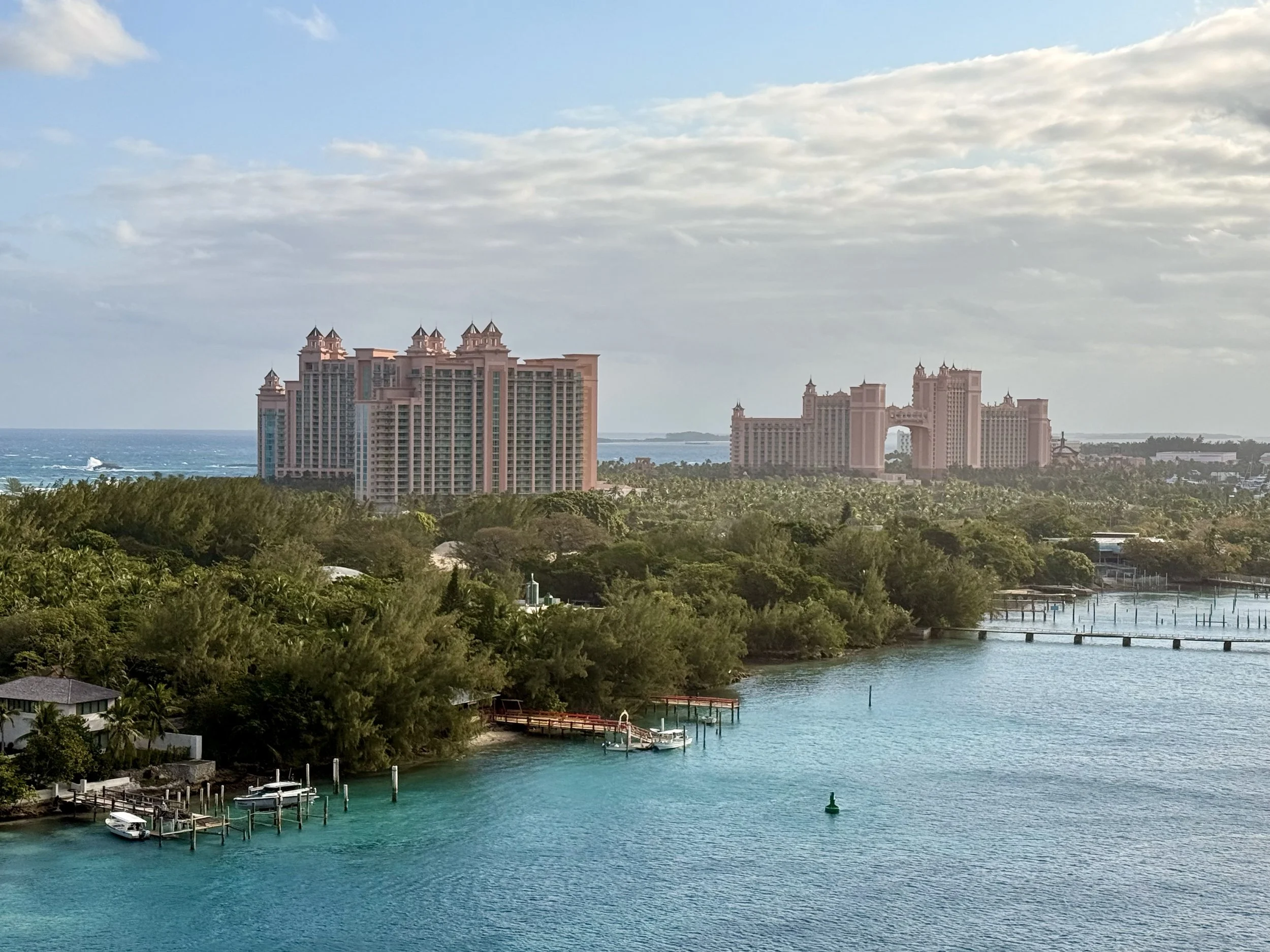
When people say, “I’m going to the Bahamas,” they are usually talking about Nassau. Images of turquoise water and the towering Atlantis Paradise Island resort immediately come to mind. And while that image is real, it is only one version of the country.
The Bahamas is not one island. It is an archipelago of more than 700 islands and cays stretched across roughly 100,000 square miles of ocean. Only about 30 of those islands are inhabited. The others are made up of uninhabited cays, protected marine areas, sandbars, mangroves, and privately owned islands that remain largely undeveloped. Some are no more than thin strips of sand that appear and disappear with the tide.
I have visited multiple times, and each visit has shown me something different. I first visited as a child in the 1980s. Even then, Nassau was busy with tourists, but it still felt small and personal. The shops were smaller. There were more craftspeople carving wooden sculptures by hand and weaving straw bags and baskets. It felt closer to the people who actually lived there.
Over the years, the islands have evolved, especially Nassau. Today, there is an entire cruise port village built specifically for the cruise industry. Inside the gated area, there are shops, bars, and a small museum. It is clean, organized, and designed for quick stops.
Beyond the gates, Bay Street stretches with rows of shops and restaurants. You will find people offering tours, renting scooters and four-wheelers, and guiding visitors toward beaches.
Keep walking.
As you move farther from the port, you begin to see what the island is really like. Residential homes. Churches. Historic buildings that reflect the island’s long colonial history.
The island is walkable in the downtown area, but there are also local buses called jitneys and plenty of taxis to take you farther out. Driving is on the left, a reminder of the country’s British roots.
Overview and History
The Bahamas sits just southeast of Florida. Flights from Miami can take less than an hour, which has made it one of the most visited destinations in the Caribbean for decades. Its proximity is part of the appeal, but so is the water. The color is exactly what people expect. The shallow banks and white sand reflect sunlight in a way that produces that bright turquoise tone the country is known for.
Tourism is the backbone of the economy, along with offshore financial services. Because of that, infrastructure in the main hubs is well-developed. Large resorts, marinas, cruise ports, and international airports support millions of visitors each year. But that development is not evenly spread across the archipelago. Once you move beyond Nassau and Grand Bahama, the scale changes quickly.
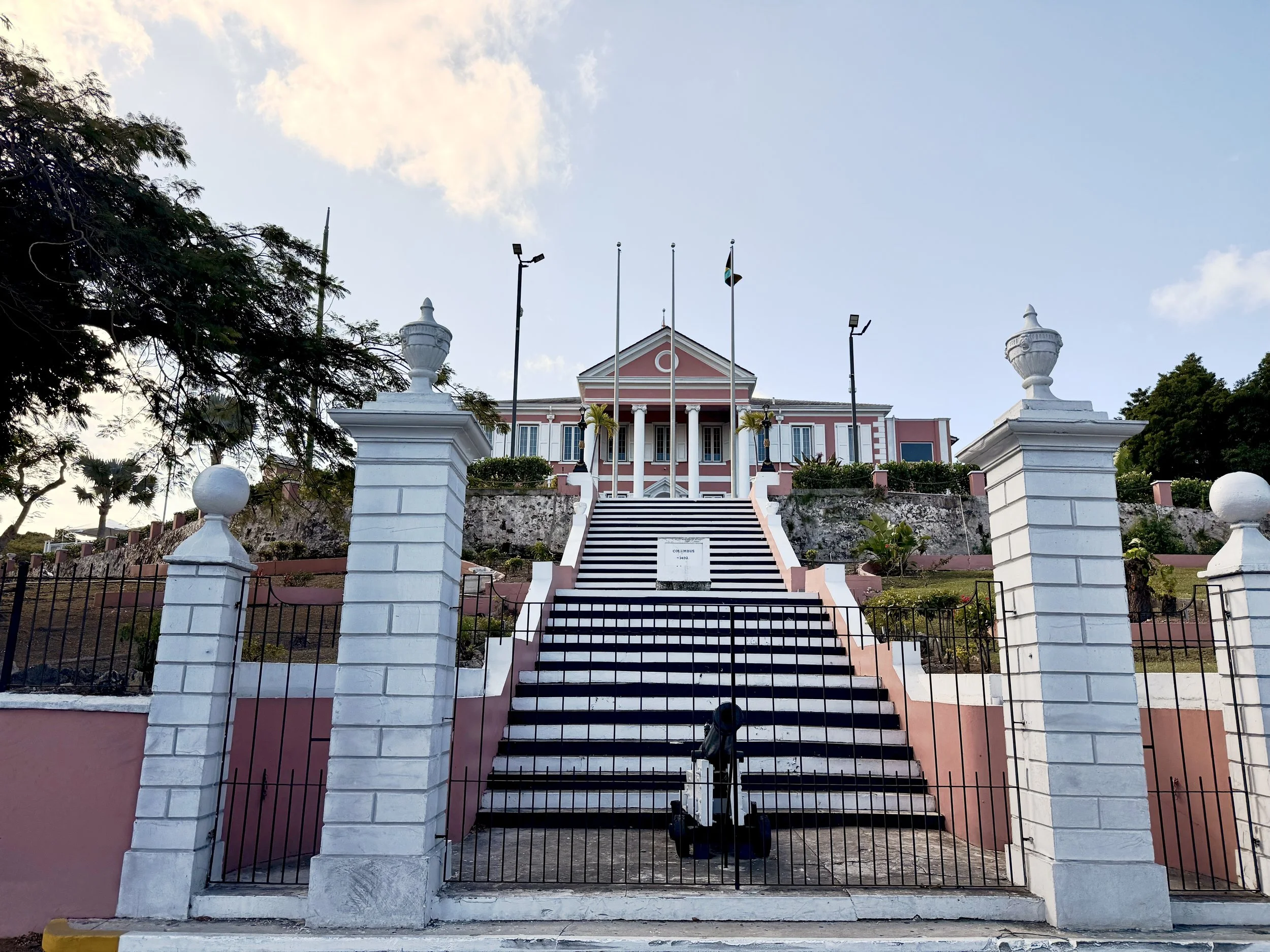
Long before tourism shaped the modern economy, the islands were inhabited by the Lucayan Taíno people. In 1492, Christopher Columbus arrived, landing on what is believed to be San Salvador Island. Spain initially claimed the territory, but Britain established colonial control in the 1700s. Nassau later gained a reputation as a pirate stronghold during the Golden Age of Piracy, a period that still lingers in the island’s storytelling and historical sites.
The Bahamas remained under British rule until July 10, 1973, when it gained independence. Today, it is an independent nation within the Commonwealth. British influence remains visible in the government structure and legal system. English is the official language, though Bahamian dialect reflects strong African and Caribbean influences shaped by migration, trade, and centuries of maritime life.
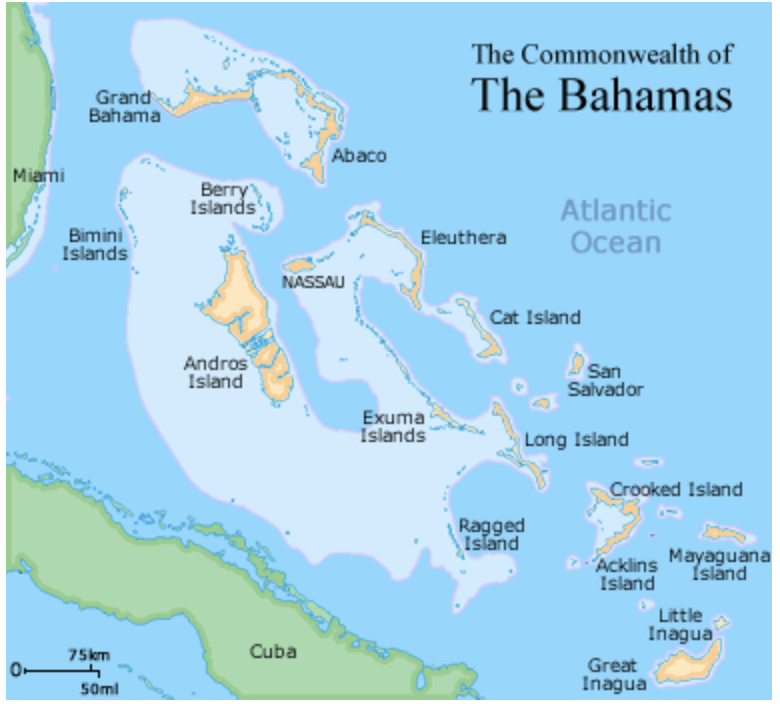
The Major Islands of the Bahamas
While Nassau and Grand Bahama receive the majority of visitors, they represent only a fraction of the country.
Other inhabited islands include The Exumas, Eleuthera, Harbour Island, Andros, Abaco Islands, Bimini, Long Island, Cat Island, and San Salvador Island.
Each island operates at a different scale. Some are built around boating and second homes. Others are quiet fishing communities. Some lean into boutique tourism. Others feel almost untouched.
Nassau – New Providence
Nassau is the capital and the country’s busiest tourism hub. Cruise ships dock at Prince George Wharf, and from there, most visitors spill straight onto Bay Street. For many, this stretch of downtown becomes their entire impression of the country.
Downtown Nassau is compact and walkable. If you follow the historic walking route shown on local maps, you can reach most major landmarks on foot.
Start near Parliament Square, where the pink colonial government buildings sit across from the harbor. Just a few blocks away is Christ Church Cathedral, one of the oldest churches in The Bahamas. Continue uphill and you reach the Queen’s Staircase, carved out of limestone in the late 1700s by enslaved people. At the top sits Fort Fincastle and the Water Tower, both offering views over the city and port.
Along the way you pass Pompey Square and the Pompey Museum, which focuses on the history of slavery and emancipation in The Bahamas. Near Bay Street, the Straw Market remains one of the most visited stops, filled with woven bags, straw hats, wood carvings, and souvenir items. It is worth knowing that the market can feel crowded and compact, especially when cruise ships are in port. The stalls are lined up side by side in tight rows, and vendors are positioned closely together. Be prepared for narrow walkways and a busy atmosphere. If you prefer more space, visiting later in the afternoon after ships depart can make a difference.
If you head west from Bay Street, you can reach the Pirates of Nassau Museum, which leans into the island’s pirate history, and the National Art Gallery of The Bahamas, housed in a restored colonial mansion. Not far from there is Graycliff, known for its historic hotel, restaurant, and chocolate shop.
For those interested in food and spirits, John Watling’s Distillery sits on the Buena Vista Estate and is open for tours and tastings within walking distance of downtown.
What It Costs
Nassau pricing varies depending on how you experience it.
Museum entry fees generally range from $10 to $15.
Distillery tours may cost around $15 to $20 depending on the package.
A taxi ride across town can range from $15 to $30 depending on distance.
Beach day passes at resort properties can exceed $100.
Because many goods are imported, food and beverage prices can feel high compared to mainland U.S. cities. The Bahamian dollar is pegged one to one with the U.S. dollar, and U.S. cash is widely accepted.
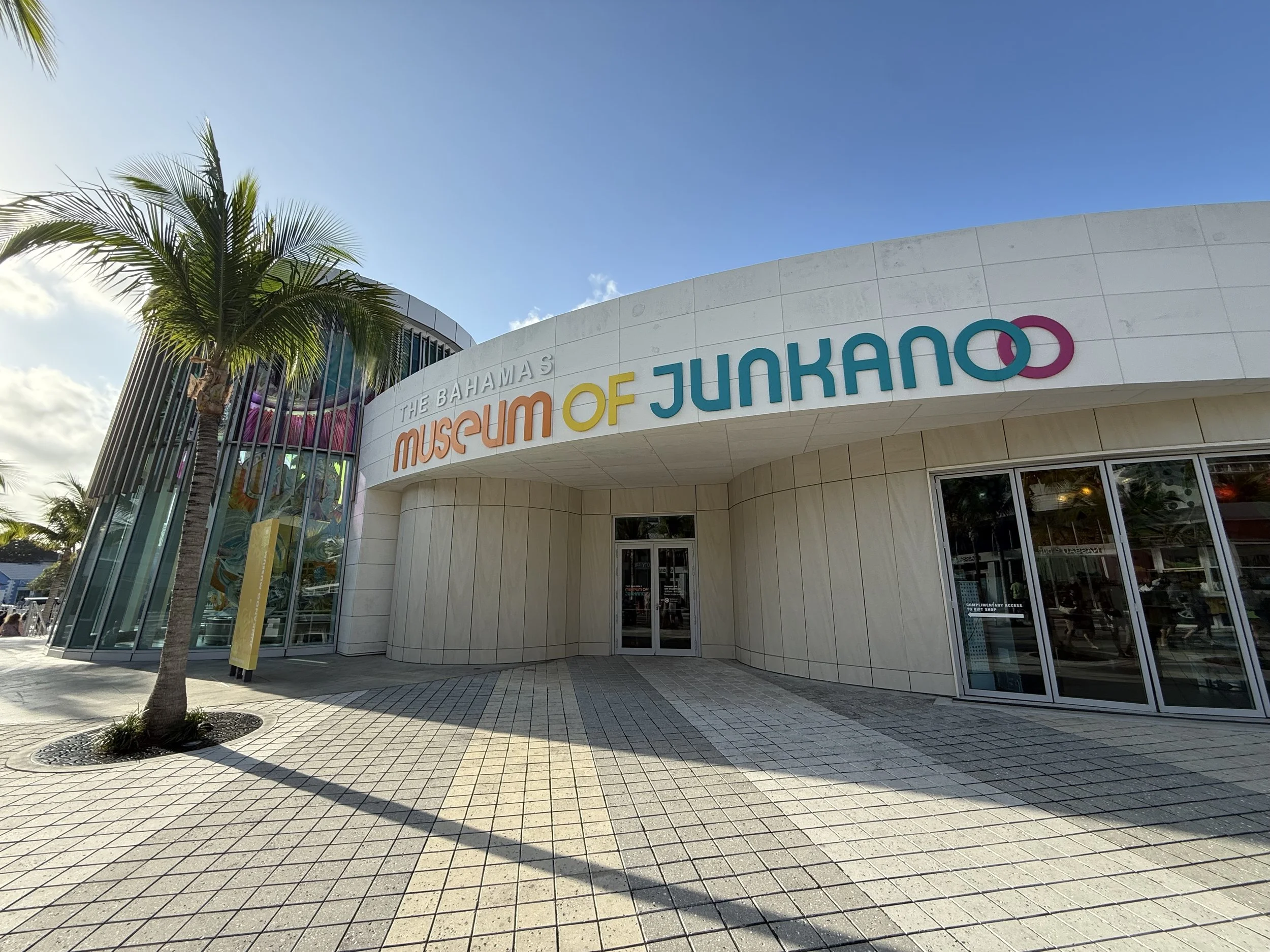
Junkanoo
If you happen to be in Nassau on December 26 or January 1, the city looks completely different.
Junkanoo is the country’s largest cultural festival. Groups spend months designing elaborate costumes made from crepe paper, cardboard, and sequins. On parade day, musicians fill the streets with drums, horns, and cowbells. It begins early in the morning and continues for hours as groups compete in music, choreography, and costume categories.
This is not staged resort entertainment. It is community-based and competitive, rooted in African traditions and centuries of cultural resilience.
Safety and Practical Notes
The downtown cruise corridor is heavily trafficked and generally well monitored. Police presence is visible around the port and Parliament Square. As with any city, awareness matters. Stay in well populated areas, especially at night, and confirm taxi rates before departing since most operate on zone pricing rather than meters.
Jitneys run fixed routes for a few dollars per ride, though they do not always follow strict timetables. Taxis are easy to find near the port.
Freeport – Grand Bahama Island
Freeport sits on Grand Bahama Island and offers a different experience from Nassau. While cruise ships do dock here, the atmosphere feels more spread out and less compressed around a single downtown corridor.
Freeport itself was developed as a planned city in the mid 20th century, and that structure shows. Roads are wider. Neighborhoods feel more suburban. Tourism is present, but it does not dominate every block the way it can in Nassau.
Major Highlights and Things to Do
One of the most important natural attractions on Grand Bahama is Lucayan National Park. The park is home to one of the longest underwater cave systems in the world. Visitors can walk through mangroves and pine forest trails before reaching Gold Rock Beach, which opens into a wide stretch of sand at low tide. When the water recedes, the beach seems to go on for miles.
Port Lucaya Marketplace serves as the island’s main tourist center. It includes restaurants, bars, and souvenir shops. It is more relaxed than Bay Street in Nassau and easier to navigate.
Grand Bahama is also known for:
• Reef diving and snorkeling
• Dolphin encounters
• Deep sea fishing
• Beach days at Taino Beach
The island appeals to travelers who want access to nature without the scale of Nassau’s cruise traffic.
What It Costs
Pricing in Freeport can be slightly lower than Nassau depending on the activity.
National park entry fees are generally modest, often under $10 to $15.
Snorkeling or diving excursions range from $75 to $150 depending on the tour length.
Taxi rides vary by zone, typically starting around $15 to $25.
Resort properties range widely in price. Some mid-range hotels are available, but beachfront resorts will reflect higher Caribbean pricing.
As with the rest of The Bahamas, many goods are imported, which impacts food prices.
Getting Around
Freeport is not as walkable as downtown Nassau. Rental cars are common and often recommended if you want to explore beyond Port Lucaya.
Taxis are available, but distances between attractions can be longer than visitors expect. Confirm pricing before departing since taxis operate on fixed zone rates rather than meters.
Safety and Practical Notes
Grand Bahama is generally considered calm and less crowded than Nassau. Tourist areas such as Port Lucaya and resort zones are well trafficked. As always, use common sense, especially at night or in unfamiliar areas.
One thing to note is that Grand Bahama has been significantly impacted by hurricanes in recent years. Some areas continue to rebuild, and travelers may notice ongoing recovery efforts. Hurricane season, which runs from June 1 through November 30, affects this island just as it does the rest of the country.
The Exumas
The Exumas feel completely different from Nassau. This chain includes 365 cays and stretches across some of the clearest water in the country. Much of the experience here revolves around boats. If you are not on the water, you are usually planning to be.
The main populated areas visitors use as a base include Great Exuma and Staniel Cay. From there, most activities happen by boat.
Major Highlights and Things to Do
The swimming pigs on Big Major Cay are the most photographed attraction in The Bahamas. Boats approach the shoreline and the pigs swim out expecting food. Their origin story varies. Some say sailors left them there years ago. Others suggest they survived a shipwreck. Today, the experience is part of organized tours and is carefully managed.
Another well known stop is Thunderball Grotto, a cave system made famous by a James Bond film. At low tide, you can swim into the grotto through openings in the rock and snorkel inside.
Sandbars are another highlight. Depending on the tide, stretches of white sand appear in the middle of open water, surrounded by nothing but turquoise. These are not permanent beaches. They shift and disappear with the tide.
Snorkeling, private boat charters, and half day island hopping tours are the primary activities.
What It Costs
The Exumas can be expensive.
Half day boat tours typically range from $150 to $250 per person depending on how many stops are included. Private charters can run well over $1,000 for the day.
Small guesthouses may start in the mid hundreds per night, while luxury stays are significantly higher.
Food costs are also elevated due to import expenses and limited grocery options.
Getting Around and Practical Notes
Most visitors fly into Exuma International Airport on Great Exuma. From there, rental cars are available. On smaller cays like Staniel Cay, golf carts are common for getting around.
The Exumas feel safe and quiet, but they are remote. Medical facilities are limited compared to Nassau, and supplies are not as readily available. Planning ahead matters here more than in the capital.
The appeal of the Exumas is space. Wide water. Fewer crowds. Less traffic.
Eleuthera and Harbour Island
Eleuthera stretches long and narrow, bordered by the Atlantic Ocean on one side and the Caribbean on the other. The drive along the island often feels quiet, with stretches of road framed by low brush and ocean views.
One of the most visited sites is the Glass Window Bridge. On one side, the Atlantic appears deep and dark blue. On the other, the Caribbean side is calmer and lighter. The contrast is immediate.
Eleuthera is also known for its pink sand beaches, though the most famous stretch is actually on nearby Harbour Island.
Harbour Island
Harbour Island is often associated with honeymoons and boutique stays. Pink Sands Beach carries a subtle blush tone created by crushed coral and marine organisms. The island itself is small and walkable. Many visitors use golf carts rather than cars.
Unlike Nassau, there are no cruise terminals here. The pace is slower. The hotels are smaller. Restaurants are more intimate.
Things to Do
On Eleuthera, activities center around beaches, fishing, and exploring smaller settlements. There are historic churches, lighthouses, and quiet coves that do not appear on cruise itineraries.
On Harbour Island, days often revolve around the beach and evening dining. It attracts couples and travelers looking for a quieter atmosphere.
What It Costs
Eleuthera can be more affordable than Harbour Island, depending on where you stay. Harbour Island, however, is known for boutique properties that can run several hundred dollars per night and climb significantly during peak season.
Golf cart rentals on Harbour Island typically range from $50 to $100 per day. Meals at sit-down restaurants can easily reach $30 to $50 per person.
Getting Around and Safety
Eleuthera requires a rental car if you want to explore beyond one settlement. The island is long and spread out. Harbour Island relies heavily on golf carts and walking.
Both islands are generally quiet and considered safe, but they are less built up. Nightlife is minimal compared to Nassau. Services such as hospitals and major shopping centers are limited.
Andros
Andros is the largest island in The Bahamas, but it is also one of the least developed. It feels less like a resort destination and more like a place shaped by nature.
The island is known for its blue holes, which are deep limestone sinkholes found inland and offshore. Some are surrounded by pine forest. Others sit in tidal flats. Divers and researchers come here specifically to explore them.
Andros is also home to the Andros Barrier Reef, one of the largest barrier reef systems in the world. Snorkeling and diving here focus less on staged tours and more on ecosystem exploration.
Bonefishing is a major draw. Anglers travel from around the world for the island’s shallow flats.
Things to Do
• Visit inland blue holes
• Snorkel or dive sections of the barrier reef
• Explore mangrove ecosystems
• Go bonefishing with a local guide
• Visit small settlements like Fresh Creek or Nicholls Town
There are no mega resorts here. Accommodations tend to be small lodges, eco focused stays, and fishing camps.
What It Costs
Because Andros is less commercial, pricing varies widely.
Guided fishing trips can run several hundred dollars for a full day.
Lodge stays can range from moderate to high depending on services included.
There are fewer casual dining options, so many stays include meals.
Travel requires more planning. Most visitors fly from Nassau into one of the island’s smaller airports.
Eco Tourism
Andros is central to The Bahamas’ eco tourism identity. Its mangroves help protect the coastline. Its reef systems support marine biodiversity. Blue holes attract scientific research.
This is not the island for nightlife or shopping. It is the island for quiet, water, and ecosystem based travel.
Medical facilities and large grocery stores are limited. Visitors should plan ahead.
The Abaco Islands
Abaco Islands have long been known for boating, sailing, and second home communities. The chain includes Great Abaco and smaller cays like Elbow Cay and Green Turtle Cay.
The settlements here feel different from Nassau. Streets are quieter. Many communities are centered around marinas.
Hope Town on Elbow Cay is one of the most recognizable spots, known for its candy striped lighthouse and pastel houses.
Things to Do
• Sail between cays
• Explore Hope Town and its lighthouse
• Snorkel and dive offshore reefs
• Visit small settlements by boat
• Spend time in marinas and waterfront restaurants
The Abacos have historically attracted sailors and long stay visitors rather than short cruise stops.
Hurricane Impact
It is important to acknowledge that the Abacos were severely impacted by Hurricane Dorian in 2019. Recovery and rebuilding have been ongoing. Some areas are fully operational, while others continue to rebuild.
Travelers should research specific towns and accommodations before booking.
What It Costs
Boat rentals and sailing charters can be significant expenses, often ranging from several hundred to several thousand dollars depending on the vessel and duration.
Hotels and rental homes vary widely. Smaller guesthouses may be more affordable than luxury marina properties.
Rental cars and golf carts are common depending on the cay.
Safety and Practical Notes
The Abacos are generally quiet and considered safe. As with the rest of The Bahamas, services may be limited outside main settlements.
Food and Culture
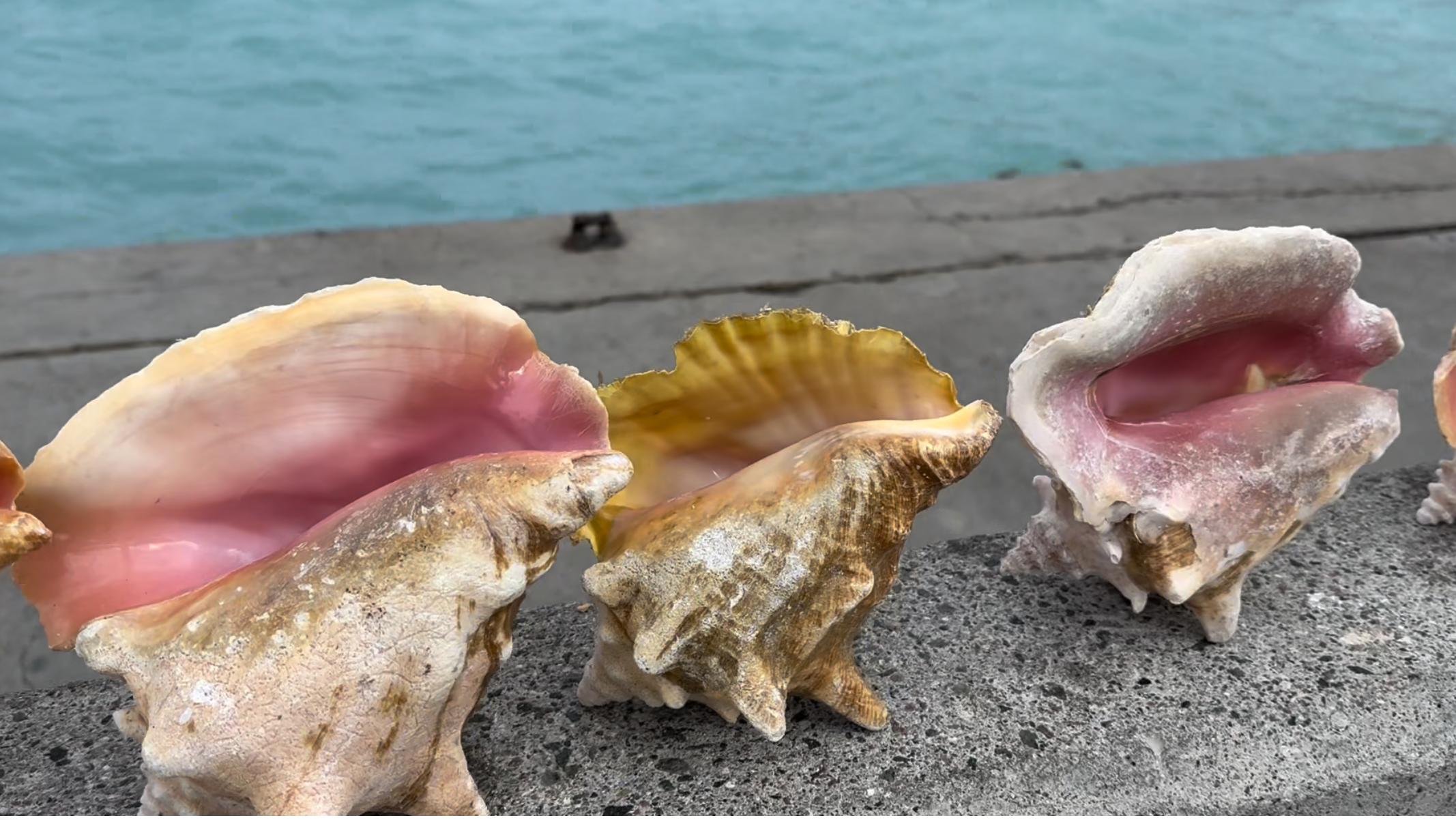
Food in The Bahamas centers heavily around the sea. Conch is the national staple and shows up everywhere. It is served cracked and fried, stewed, or prepared fresh in conch salad with lime juice, onions, peppers, and tomatoes. You will often see piles of cleaned conch shells stacked outside roadside stands as proof that it was prepared that day.
Rock lobster is another favorite, especially during season. Stew fish, peas and rice, johnnycake, baked macaroni and cheese, and fried plantains are common side dishes. The flavors are straightforward and filling rather than elaborate. Seafood is the focus.
Because many goods are imported, grocery prices can be high across the islands. Dining inside resort areas reflects premium pricing, while smaller local spots may be more moderate but still influenced by import costs.
Culturally, The Bahamas is shaped by African heritage, British governance, and maritime history. Junkanoo is the country’s most prominent festival and one of the clearest expressions of national identity.
Outside of Junkanoo, music remains central to daily life. Storytelling, church gatherings, and fishing culture still anchor many communities, especially on the outer islands.
Climate, Wet Season, and Hurricanes
The Bahamas has two primary seasons, though the weather rarely feels extreme outside of storms.
The dry season runs from November through April. Temperatures are warm but more comfortable, humidity is lower, and rainfall is lighter. This is peak tourism season, which means higher hotel rates and more visitors.
The wet season runs from May through October. Rain typically comes in short, heavy bursts followed by sunshine rather than steady all day storms. Humidity increases, and temperatures feel warmer, especially in late summer.
Hurricane season officially runs from June 1 through November 30, with the highest activity typically between August and October. Not every week brings storms, but this is the period when the Atlantic is most active. Some islands, particularly those in the northern Bahamas such as Grand Bahama and the Abacos, have experienced significant hurricane impacts in recent years. Travel insurance and flexible planning are important during this window. If weather stability is a priority, late winter and early spring are generally the most predictable times to visit.
The Best Time to Visit
Deciding when to go depends entirely on whether you are looking for the energy of peak season or the solitude of the off-season. Because the archipelago is so vast, the "perfect" time can shift depending on which island you’ve chosen as your base.
Late February to Mid-April
For most travelers, this is the ideal window. The humidity of the summer has vanished, and the "Northers" (cool fronts from the U.S. mainland) that can chill the water in January have usually settled down. The air is crisp, the water is comfortable for long snorkeling sessions, and the sky is that reliable, high-pressure blue.
Note: This coincides with Spring Break. If you are heading to Nassau or Paradise Island, expect high energy and crowded beaches. If you want quiet during this time, head to Andros or the deeper cays of the Exumas.
May and June
If you can handle a bit more heat, May and June are hidden gems. The water is noticeably warmer than in the winter months—almost like a bathtub—making it the best time for divers and those who want to spend hours in the ocean. Tourism starts to dip, so you can often find better rates on boutique hotels in Eleuthera or Harbour Island before the peak of hurricane season arrives.
September to November
This is the most unpredictable time to visit. While it is the height of hurricane season, it is also when the islands feel the most "local." Many seasonal restaurants on the Family Islands may close for renovations or staff breaks, and the humidity is at its peak. However, if no storms are on the horizon, the ocean is often glass-calm, and you can find yourself as the only person on a miles-long stretch of sand.
Practical Advice: If you travel during this window, travel insurance is non-negotiable. You should also book "flex" flights, as a tropical system can change your plans with forty-eight hours' notice.
December and January
This is the most popular time for those escaping the cold. Nassau is at its most vibrant during this time, especially with the buildup to Junkanoo. The trade-off is that the water can be "brisk"—sometimes dipping into the low 70s (°F)—which might feel chilly to those used to tropical heat. If you plan on swimming during these months, look for resorts with heated pools or bring a thin rash guard for snorkeling.
Additional Information
The Bahamian dollar is pegged one to one with the U.S. dollar, and U.S. currency is widely accepted. In most tourist areas, prices may be quoted interchangeably in either currency.
Moving between islands requires planning. The archipelago covers a wide area, so inter island travel is typically done by domestic flights, ferries on select routes, or private boats. It is not as simple as driving from one island to another.
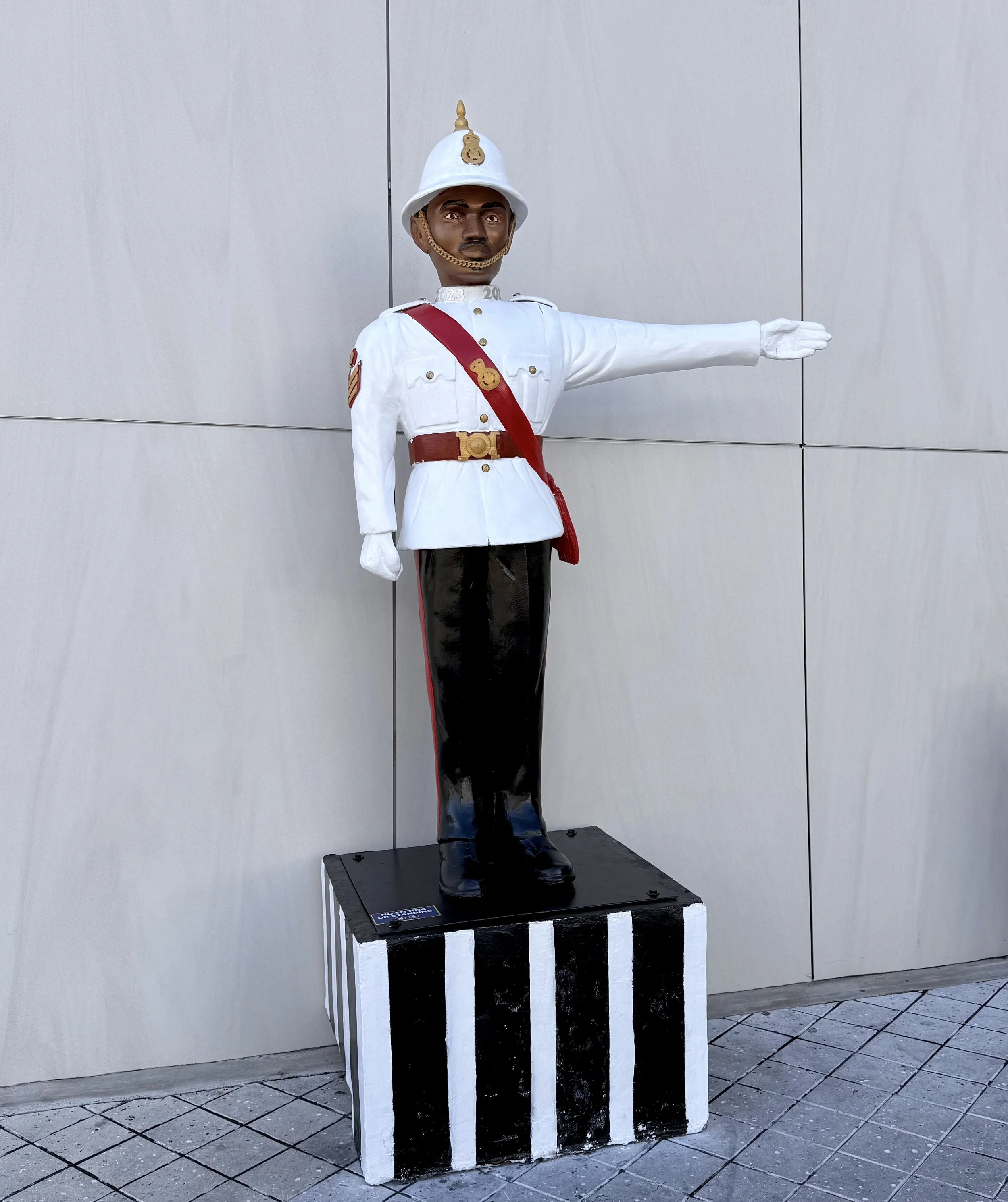
Law enforcement operates under the Royal Bahamas Police Force. Officers are visible in major tourist areas, particularly around cruise ports and downtown Nassau. As with any destination, awareness and common sense go a long way. Stay in well-populated areas at night, confirm taxi rates before departure, and follow local guidance if venturing into unfamiliar neighborhoods.
Medical facilities are strongest in Nassau and more limited on smaller islands, something to consider when planning remote stays.
Key Takeaways
• The Bahamas is an archipelago, not a single island. Nassau is only one part of the country.
• Cruise stops show one version of the islands. Staying longer or venturing beyond New Providence changes the experience.
• Costs are higher than many U.S. travelers expect due to imports and resort pricing.
• Inter-island travel requires planning. You cannot simply “drive” from island to island.
• Hurricane season runs from June through November. Travel insurance matters.
• Each island group feels different. Nassau is active. The Exumas are water focused. Eleuthera is quieter. Andros is largely undeveloped.