Puerto Rico, The Island Of Enchantment
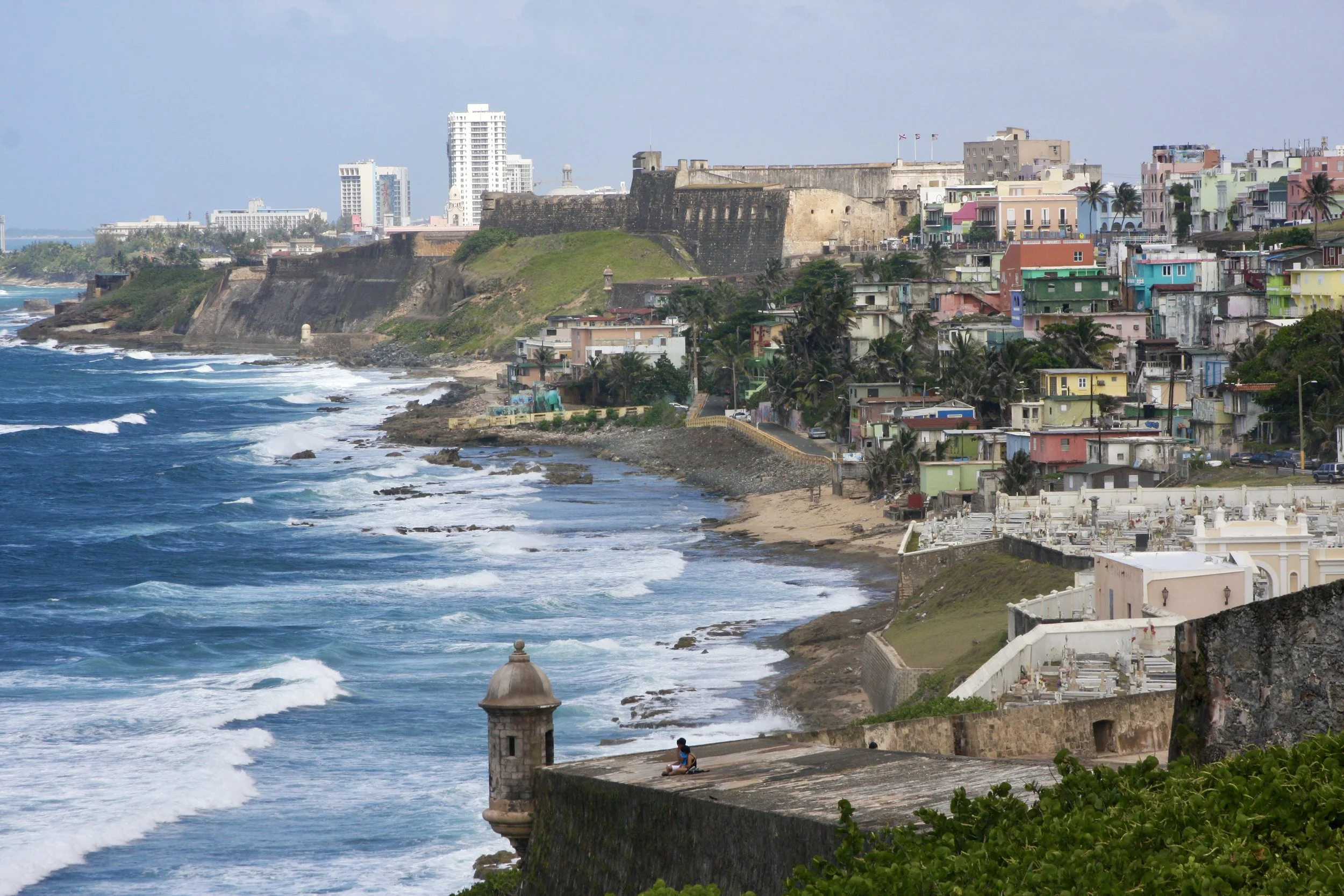
I have been to Puerto Rico a few times now, and every visit showed me something different. I have driven the highways, taken the smaller mountain roads, stopped at tiny stalls for food, and spent full days walking through Old San Juan. I have seen the natural bridges on the far coast and spent time in the rainforest. Puerto Rico is the kind of place where you can experience a little of everything without traveling far.
The island sits in the northeastern Caribbean. Most visitors stay in and around San Juan, but the landscape changes fast once you leave the city. The interior is full of winding mountain roads and small towns. The coastline shifts between beaches, rocky edges, and stretches where the waves carve the shoreline. It is easy to move from historic areas to the forest to the beach in the same day.
How to Get There
Most travelers fly into Luis Muñoz Marín International Airport outside San Juan. Flights come in from many major US cities, and the airport is close to hotels, beaches, and the historic district.
Cruise travelers can also arrive through the San Juan cruise port, which sits right beside Old San Juan.
Travel Requirements for US Travelers
US citizens do not need a passport to visit Puerto Rico. Travel works the same as flying to any other state. A standard government issued ID is enough, and there are no customs lines when you arrive or return. This applies whether you fly or take a round trip cruise from the United States.
A Bit About the Culture
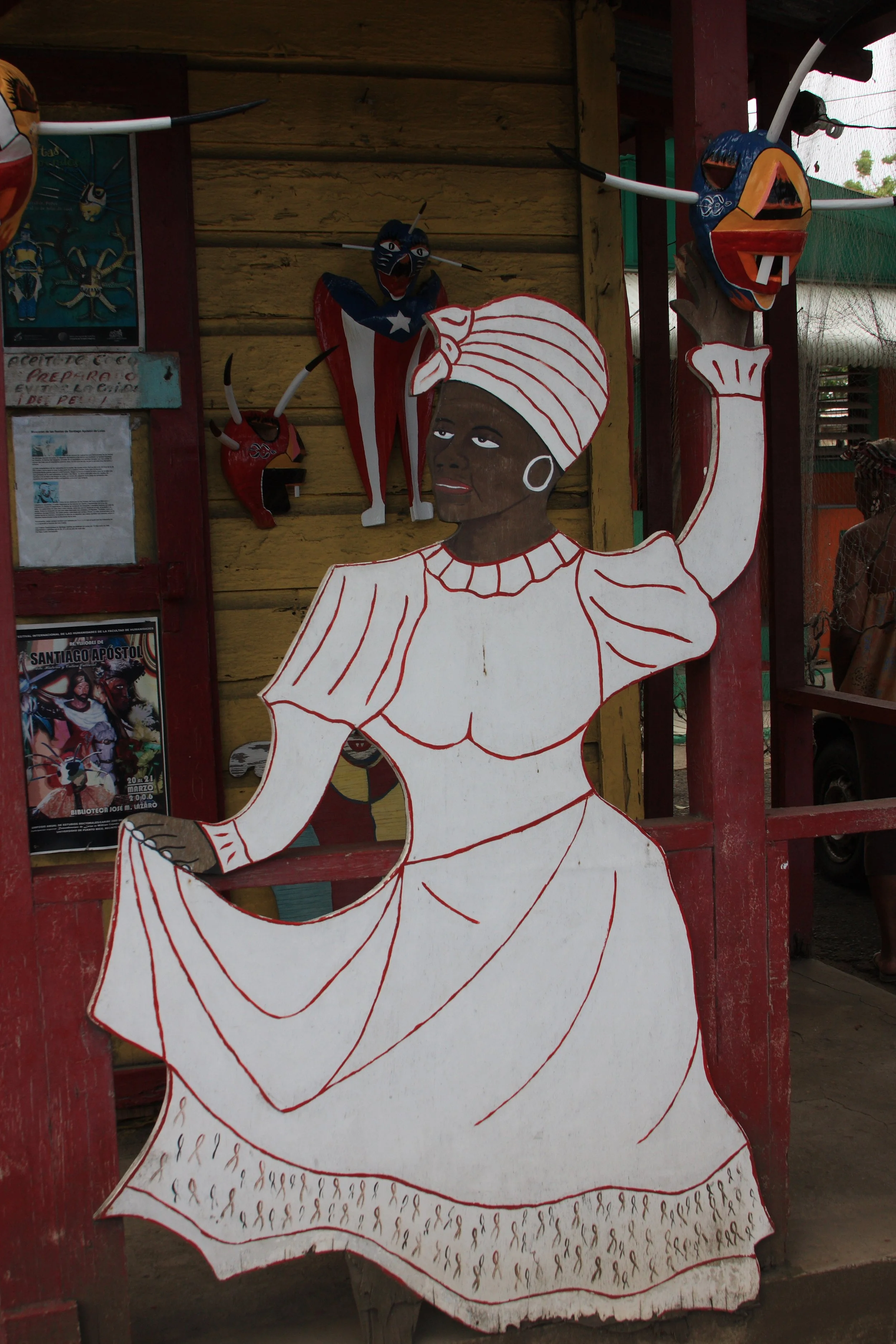
Puerto Rico blends Spanish, Taíno, and African influences. You see this in the architecture, local food, music, and the way towns are laid out. Plazas still act as natural gathering points. Street markets and food stalls appear throughout the week. Festivals and community events are common.
Old San Juan reflects the island’s colonial history with forts, stone walls, and narrow streets. Modern coastal districts show a different side of the island with restaurants, beachfront apartments, and open walking paths. Inland towns follow a slower pace centered around small businesses and agriculture.
Getting Around
Driving is the easiest way to explore the island. Highways around San Juan feel similar to mainland expressways, while mountain roads are narrower with sharp curves. Navigation apps work well. Gas stations are spread out enough for comfortable travel, though it is smart to fill up before heading inland.
In the city, you can use taxis, rideshare services, and some bus routes. Ferries from Ceiba run to Culebra and Vieques, and boat tours leave from Fajardo for nearby islands.
Major Cities and Regions
San Juan
The capital is the main hub for beaches, restaurants, nightlife, and historic sites. Most visitors start here.
Old San Juan
Old San Juan sits on a peninsula with cobblestone streets, colorful buildings, and some of the best waterfront views on the island. The layout is straightforward. Shops and restaurants sit between small plazas, and the forts anchor the ends of the historic district.
Castillo San Felipe del Morro overlooks the Atlantic with wide grassy areas and stone structures.
Castillo San Cristóbal spreads through tunnels, courtyards, and lookout points closer to the center.
Outside the old city, the neighborhoods turn into modern beachfront areas. Condado and Ocean Park have a mix of hotels, apartments, restaurants, and long stretches of beach. Isla Verde is known for its wide sandy shoreline and mix of local businesses and resorts.
Condado, Ocean Park, and Isla Verde
Condado, Ocean Park, and Isla Verde sit right along the coast just outside Old San Juan, and each one has its own feel even though they all share the same stretch of shoreline.
Condado is the busiest of the three. It has high rise hotels, restaurants, shops, and a steady flow of people walking between the beach and the main streets. The beach here is long with steady waves, and the area feels active from morning into the evening. It is one of the easiest neighborhoods to navigate on foot, especially if you want quick access to food or the water without needing a car.
Ocean Park sits right next to Condado but has a different pace. It is more residential, with smaller guesthouses, low rise apartments, and local restaurants tucked into quiet streets. The beach is open and wide, and it is popular with people who want more space or prefer a simpler beach day. You will see joggers, families, and people walking dogs in the early morning, and in the afternoon the area tends to stay relaxed.
Isla Verde stretches farther east and has some of the widest beaches in the San Juan area. The water stays calm on many days, making it a good option for swimming. Resorts, apartments, and local businesses line the main road, and everything sits within a short walk of the sand. Even with the hotels, the area feels a little more spread out compared to Condado.
All three neighborhoods make it easy to move between the beach, restaurants, and your hotel without much effort. If you want the most activity, Condado is usually the center of things. If you want a quieter day but still want to stay close to San Juan, Ocean Park and Isla Verde work well.
Ponce
Ponce sits on the southern coast and has a completely different feel from San Juan. The city centers around a group of plazas, historic buildings, and museums that show another side of Puerto Rico’s history. The architecture here leans more toward Spanish Creole styles, and some of the older structures stand out immediately, especially around the main square.
Plaza Las Delicias is the center point. It is surrounded by the Ponce Cathedral and the Parque de Bombas, a bright red and black firehouse that has become one of the most recognizable landmarks in the city. The area around the plaza is walkable, with cafes, local shops, and small restaurants.
Ponce also has several museums that highlight art and regional history, including the Ponce Museum of Art, which is one of the most well known art museums in the Caribbean. The city’s layout is more open than Old San Juan, and the pace is slower, which makes it easy to spend time just walking or sitting in the plazas.
Outside the historic center, you can reach the boardwalk area called La Guancha, where you will find food stands, views of the water, and space to walk along the shore. This part of the city gives you a look at daily life on the southern coast.
Overall, Ponce shows a different side of Puerto Rico. It has a strong sense of local identity, a quieter rhythm, and historic areas that feel distinct from the northern part of the island.
Mayagüez and the West Coast
The west coast of Puerto Rico has a different feel from the north and east. The towns are smaller, the roads move at an easier pace, and the coastline shifts between calm beaches, rocky stretches, and areas where the water drops off quickly near the shore. It is a good region if you want less crowded spots and long scenic drives.
Mayagüez sits near the center of this coastline and works as a practical base for exploring the towns around it. The city itself has plazas, local restaurants, and a waterfront area, but most people use Mayagüez as a jumping off point. From here you can reach several well known west coast beaches within a short drive.
Nearby areas include:
Rincón, which is known for its surfing beaches and relaxed town center. The waves here can be strong depending on the season, and the sunsets are some of the clearest you will see on the island.
Añasco has quieter beaches and open shoreline where people spread out more.
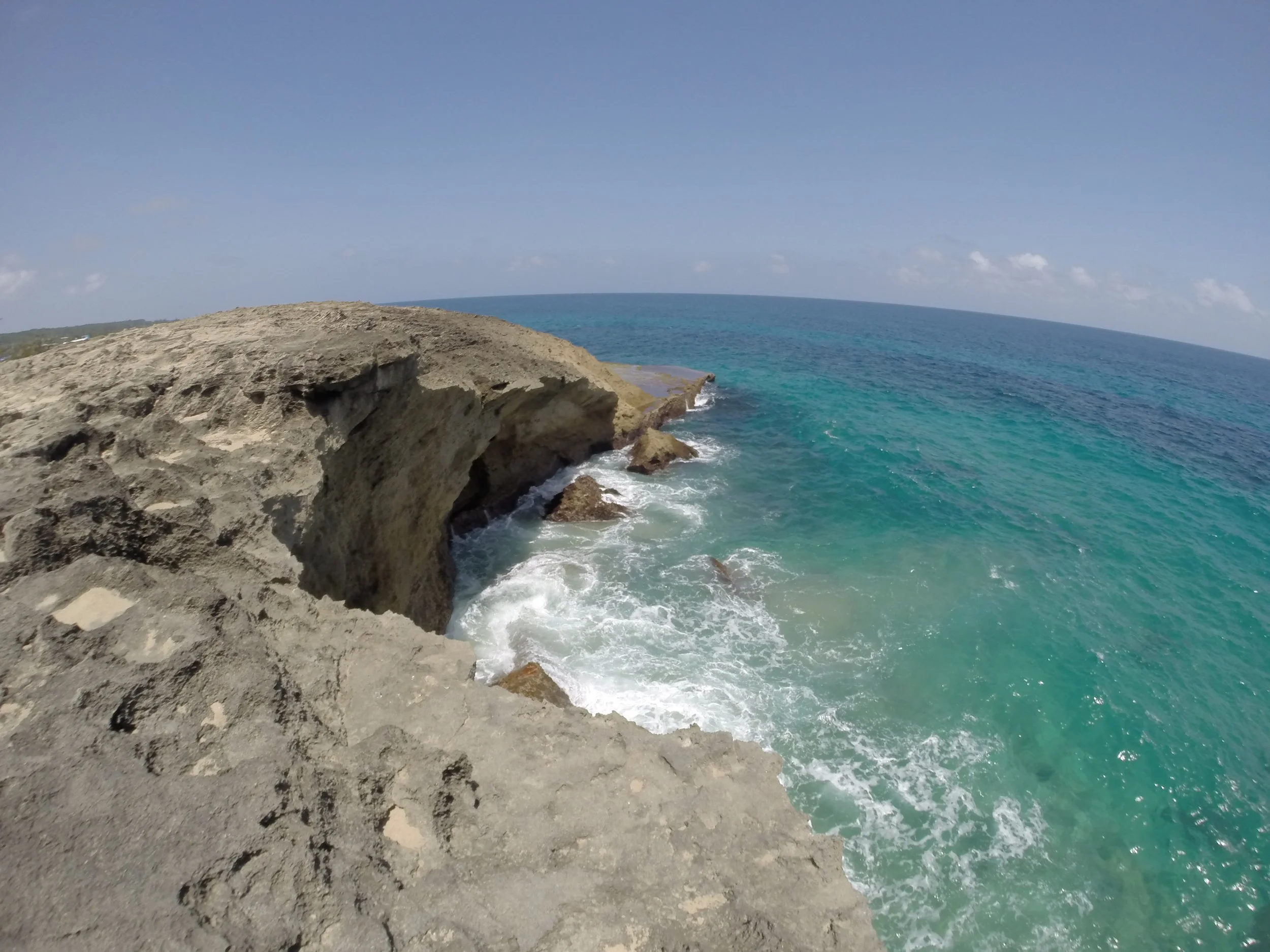
Cabo Rojo is farther south on the west side and has some of the most dramatic coastal views, including cliffs, salt flats, and long stretches of clear water. The Cabo Rojo Lighthouse area is one of the most visited viewpoints on this side of the island.
Driving along the west coast gives you easy access to pull offs, beach entrances, and small food spots. It is a good region if you want to move at a slower pace and see parts of the island that feel more local and less built up.
Inland and the Mountain Region
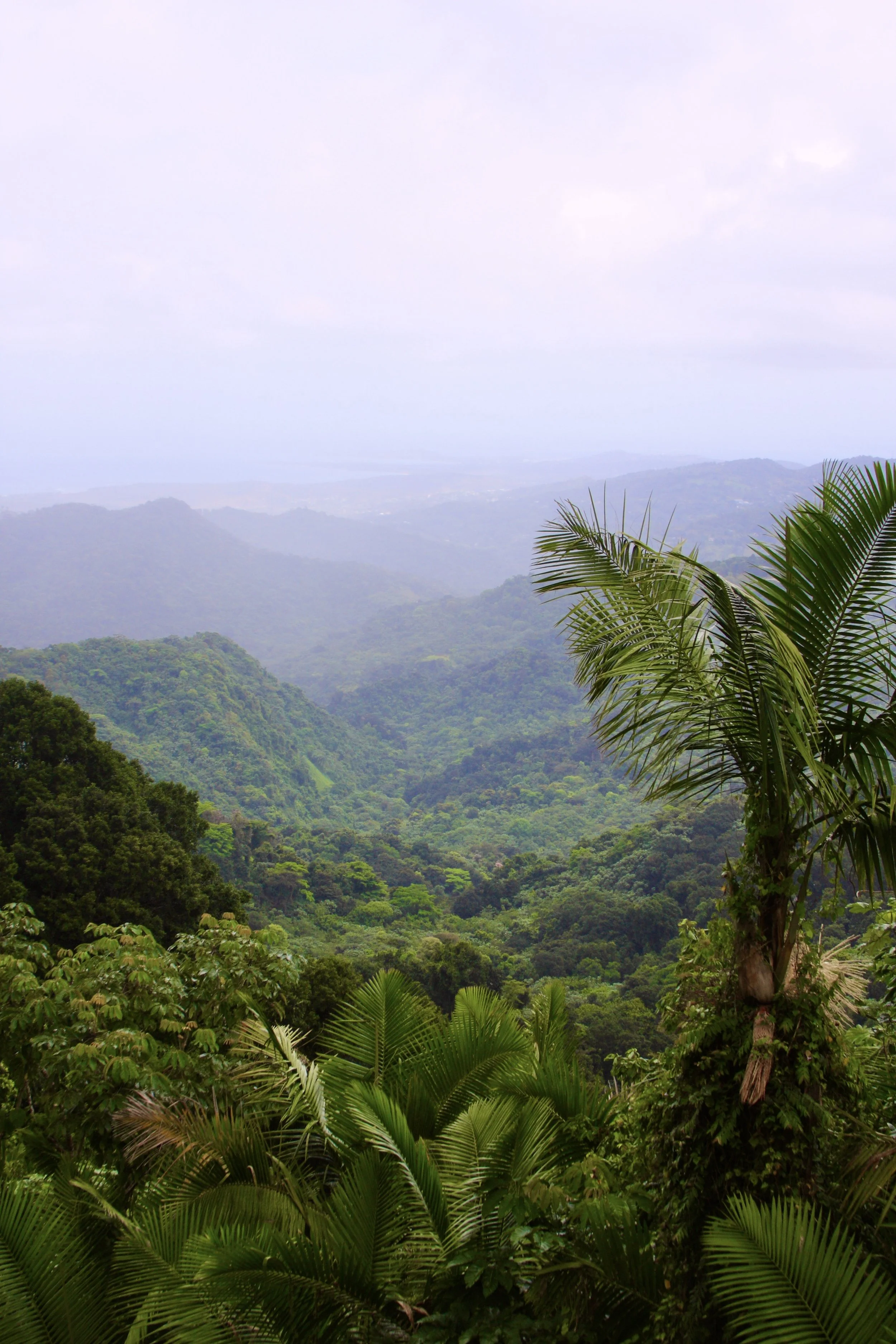
Puerto Rico’s interior rises quickly once you leave the coast. The flat shoreline turns into winding roads, hillside homes, and pockets of dense forest. Small towns sit along the ridges, and many of them have local bakeries, produce stands, and small restaurants that serve daily specials. The drives can be slow because of the curves, but the scenery makes up for it.
The most well known area in the interior is El Yunque National Forest, located on the eastern side of the island. It is the only tropical rainforest in the US National Forest system, and it is one of the easiest mountain regions to explore. The trails here tend to be short and manageable. Some lead to waterfalls, others to rivers or small natural pools, and a few take you up to lookout points where you can see the canopy spread out below.
Even if you do not plan to hike, the drive through El Yunque is worth it. The air feels cooler, and the forest shifts between open views and stretches where the trees sit right up against the road. In the nearby towns you will find roadside food stands, small shops, and local spots where people stop after visiting the forest.
The mountain region as a whole gives you a different view of Puerto Rico. It is quieter than the coastal areas, and you see more of the island’s day to day life through the small businesses and local traffic that runs through these roads.
Fajardo and Ceiba
Fajardo and Ceiba sit on the eastern side of Puerto Rico, and they are the main departure points for anyone heading to the smaller islands. Most ferries, boat tours, and snorkeling trips start here, which makes this part of the coast busier in the mornings and quieter once everyone heads out on the water.
Fajardo is known for its marinas and protected bays. This is where you find most of the guided tours to places like Cayo Icacos, the bioluminescent bay, and several snorkeling spots just offshore. The coastline around Fajardo has calm areas where the water stays shallow and clear, and many tour companies use these spots for beginner friendly snorkeling or paddle excursions.
Ceiba is where the main ferry terminal is located. The ferry system connects to Vieques and Culebra, and the terminal runs on a set schedule that locals use just as much as visitors. The area around the terminal is straightforward, with parking areas and ticket offices, and it is designed to get people boarded quickly.
Both towns sit close to major roads, so it is easy to reach them from San Juan. You will find bakeries, roadside food spots, and small shops along the way, especially as you get closer to the coast. This region is practical rather than flashy. It is where you go when you want access to the water, quieter beaches, and the smaller islands that sit just offshore.
Smaller Islands
Vieques
Vieques sits just off the eastern coast and feels quieter and more open than the main island. The beaches here are wide, calm, and spread out enough that you can usually find space even on busy days. The island has a mix of dirt roads, small towns, and long stretches of open landscape where the shoreline shifts between soft sand and rocky patches.
The biggest draw is Mosquito Bay, one of the brightest bioluminescent bays in the world. Most people visit at night on a guided tour. When the conditions are right, the water glows when you move your hand or paddle through it. The bay sits in a protected area, and the tours are run by operators who keep group sizes controlled so the environment stays healthy.
Beyond the bay, Vieques has beaches that range from secluded coves to long open stretches. Some require a short walk or a drive down a narrow road, but the scenery makes it worth the effort.
Culebra
Culebra is smaller than Vieques and easier to navigate in a single day. It is known for Flamenco Beach, a long curved beach with clear water, soft sand, and a backdrop of green hills. Flamenco is one of the most visited beaches in the Caribbean, and for good reason — it is simple, open, and consistently beautiful.
The island has other beaches you can reach with short drives or walks, many of them quieter than Flamenco. Town areas are compact, with a few shops, local restaurants, and small guesthouses. The water around Culebra tends to stay clear, which makes it a good choice for snorkeling.
Cayo Icacos
Cayo Icacos is an uninhabited island near Fajardo. There are no buildings, roads, or facilities, which is part of what makes it appealing. Most people reach it by booking a boat tour from the mainland. The water around the island is shallow and bright, and the area is popular for snorkeling and swimming.
The beach is simple and open, and you can walk along the shoreline or find a quiet spot to sit. Because it is uninhabited, the experience depends on the time of day and how many boats arrive, but once the crowds spread out, it stays peaceful.
Caja de Muertos
Caja de Muertos sits off the southern coast near Ponce. It is quieter than Vieques or Culebra and stays low key throughout the year. The island has hiking trails that lead to different viewpoints, including one that takes you up to a lighthouse overlooking the coastline.
The beach here is protected, and the water stays clear and calm on most days. It is the kind of place where you spend the day walking, swimming, and taking in the scenery without much noise or activity around you. Boats to Caja de Muertos usually run from Ponce, and the trip is short enough to make it an easy day outing.

Food in Puerto Rico
Food is one of the easiest ways to experience the island because so much of it comes from everyday places.
Lechoneras
Lechoneras serve roasted pork cooked slowly over charcoal. You pick your cut and add sides like rice, beans, or plantains.
The most famous stretch is the Ruta del Lechón in Guavate:
https://discoverpuertorico.com/profile/la-ruta-del-lechon/9232
Panaderías
Panaderías are local bakeries that also serve sandwiches, pastries, and hot plates. They are quick, affordable, and everywhere.
Roadside Stands
These pop up along highways, coastal routes, and mountain roads. Many serve a small menu of empanadillas, fritters, grilled meats, or fruit.
Traditional Dishes
•Mofongo •Arroz con gandules •Pastelón •Asopao •Tembleque
Day Trip Ideas
From San Juan
• Walk Old San Juan
• Condado or Ocean Park for beach time
• Piñones for food stalls and the coastal walkway
East Coast
• El Yunque for short hikes and waterfalls
• Fajardo for boat tours and bioluminescent bay trips
• Cayo Icacos for snorkeling
West Coast
• Rincón for beach towns and surfing
• Mayagüez and nearby coastal routes
• Natural bridges and cliff views on the far west coast
South
• Ponce’s historic center
• Caja de Muertos by ferry
• Scenic drives along the southern coastline
Helpful Links
San Juan National Historic Site
https://www.nps.gov/saju/index.htm
El Yunque National Forest
https://www.fs.usda.gov/elyunque
El Yunque Timed Entry Reservations
https://www.recreation.gov/timed-entry/10087
Ferries to Culebra and Vieques
https://www.puertoricoferry.com/
General Island Information
https://www.discoverpuertorico.com/
Need More Help Planning Your Trip
Check out my Puerto Rico Travel Guide