London England
After leaving Ireland, I flew from Dublin to Manchester on Ryanair. It was snowing lightly when we landed, steady enough to see from the window but not enough to stick. This was also my first experience with what looked like a window seat that wasn’t actually one, just a wall where the window should have been. Unfortunately, it wouldn’t be the last time. A quick tip for anyone flying Ryanair: make sure you already have a printed copy of your ticket. Back then, they charged passengers to print one at the airport if you didn’t bring your own.
From Manchester, I boarded the First TransPennine Express to Sheffield, watching the English countryside roll past in muted winter colors. The train cost about £25 one way in 2015; today, the same route averages closer to £40 unless booked in advance.
Sheffield
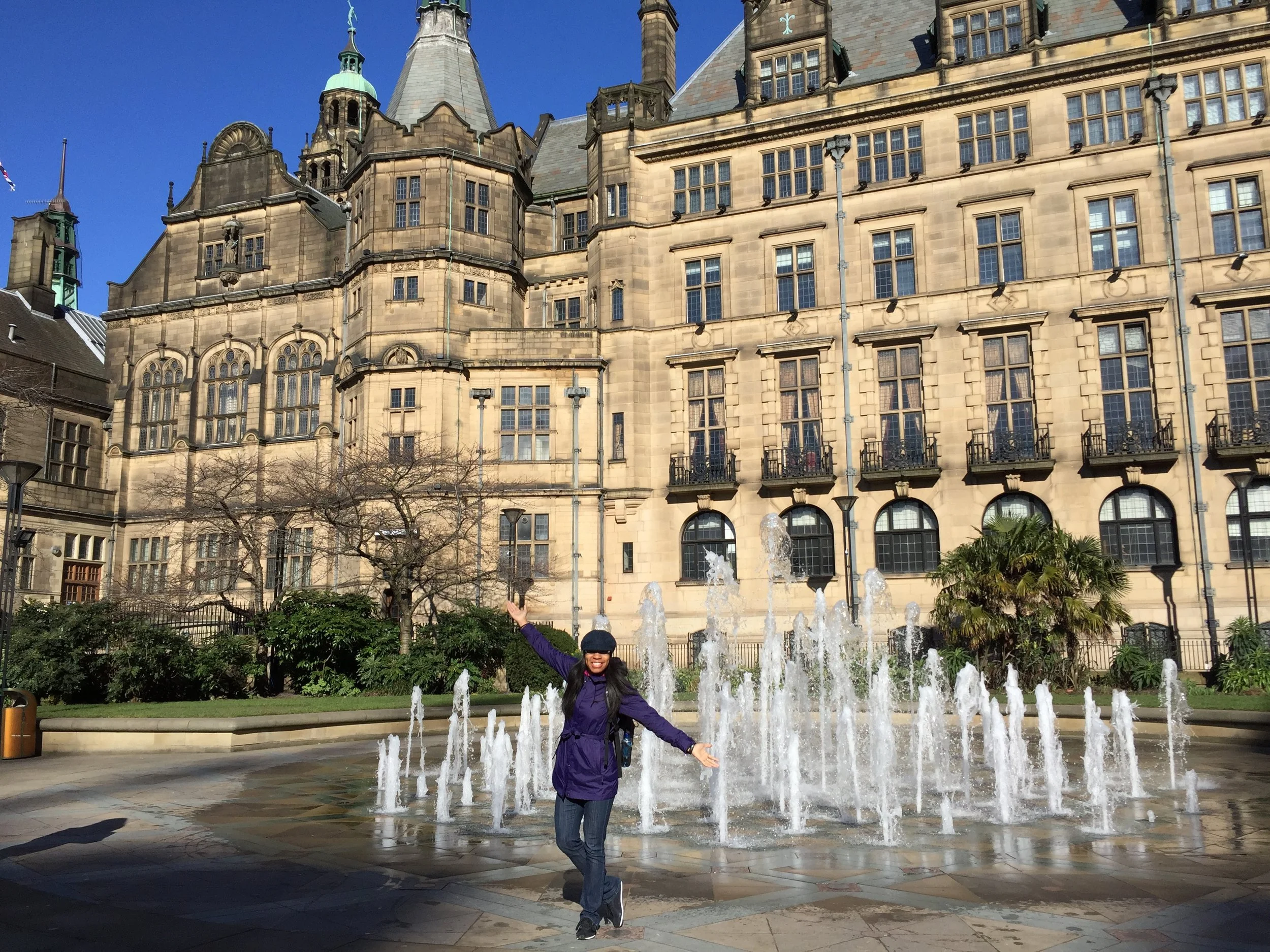
Sheffield was my first stop in England. Well, I guess if you want to be technical, Manchester was the first stop, but we didn’t stay there, so it doesn’t count. We took a black cab from the station to the hotel, which is where we had our first bit of confusion over currency. The driver wouldn’t take Irish pounds, and after a short back-and-forth, I can’t remember if he let us pay by card or just took the money anyway. Either way, he was paid.
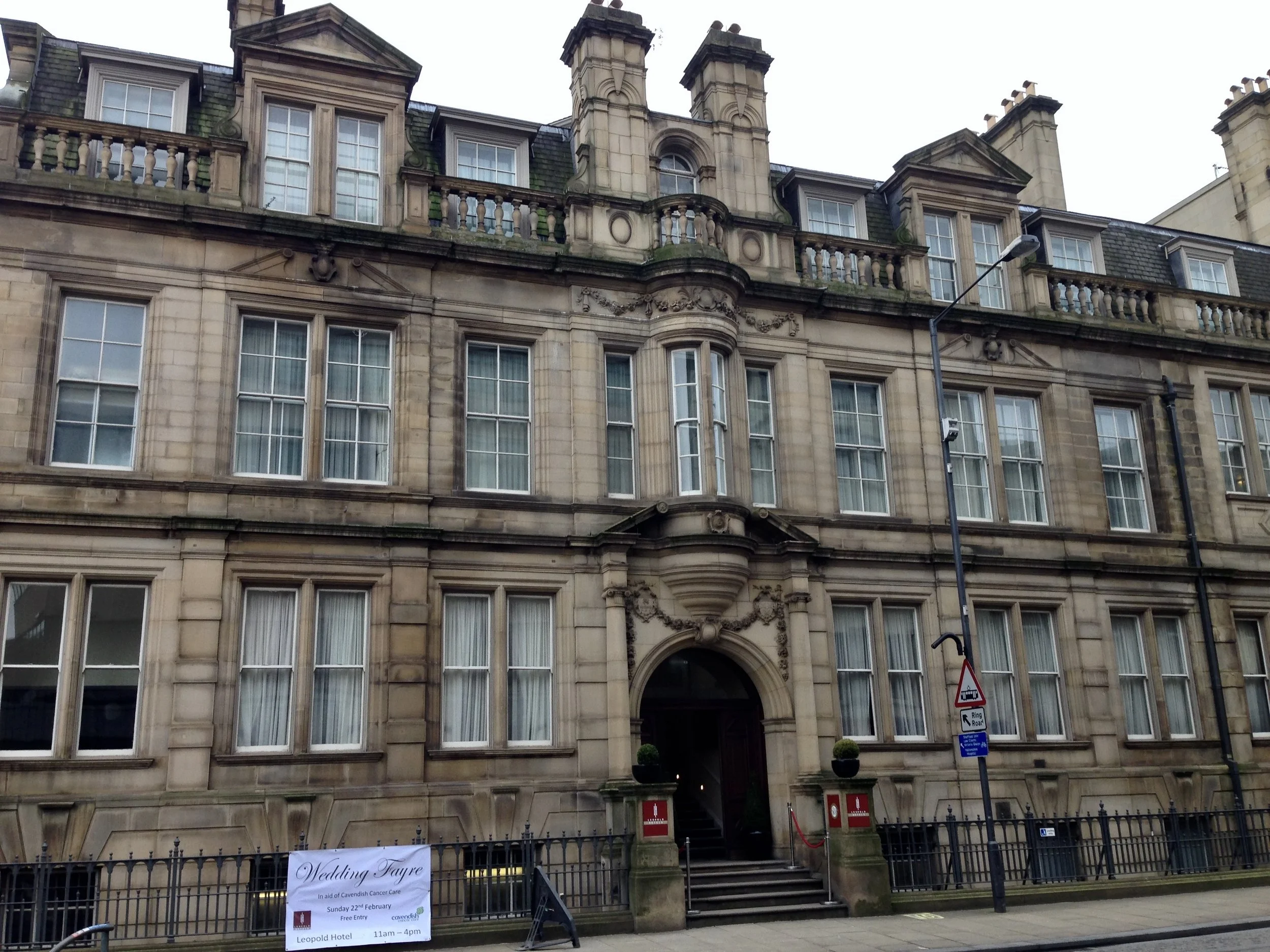
We stayed at the Leopold Hotel, a former grammar school turned boutique property in the city center. Rooms were around £101 a night in 2015; now the same stay averages closer to £150 depending on the season. The weather was cold and damp, but the city had a welcoming, grounded feel. It wasn’t trying to impress anyone, it just was. The old brick buildings, narrow streets, and small cafés gave it a certain charm that larger cities sometimes lose.
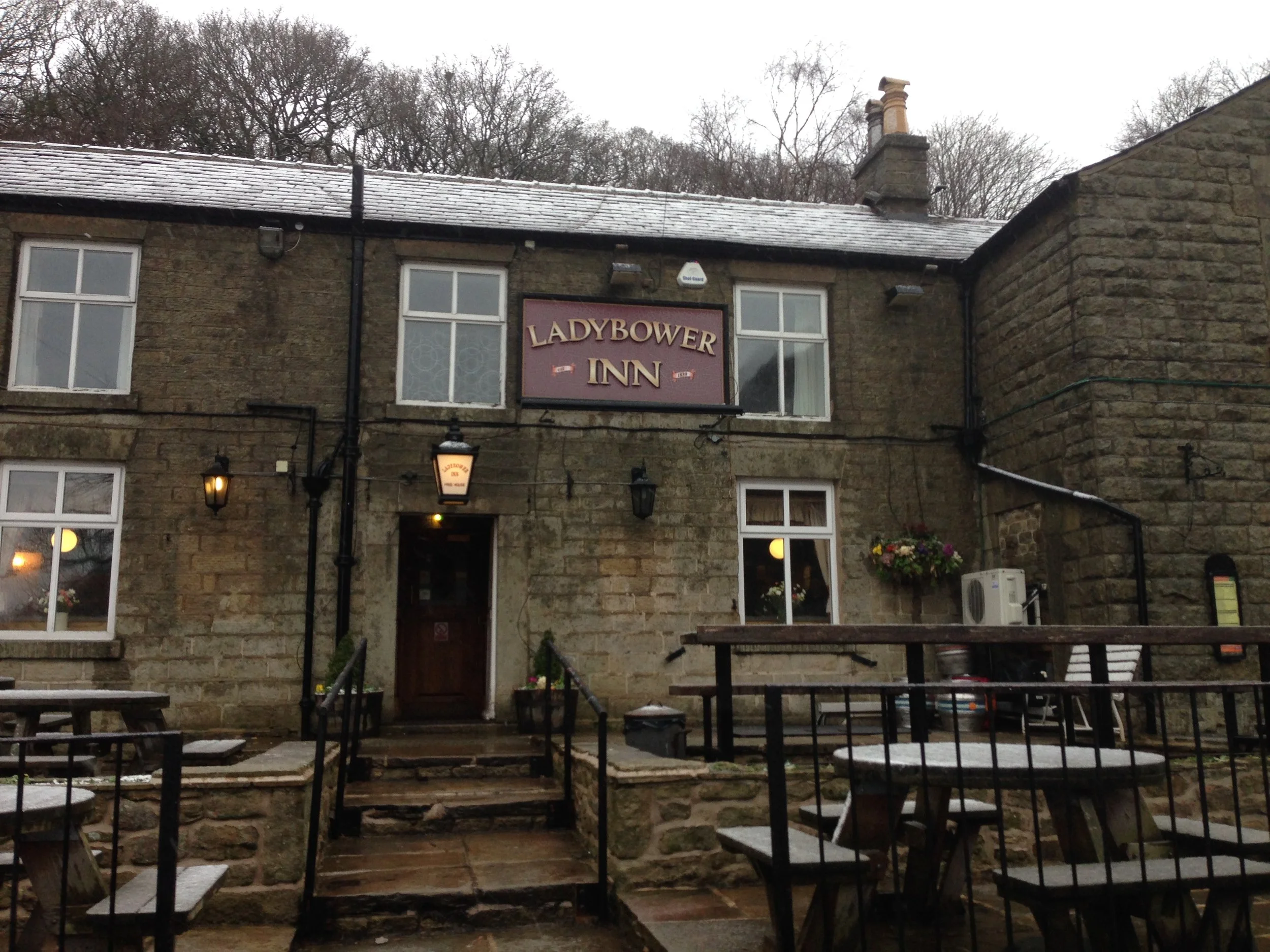
We stopped in Sheffield because my travel companion had a friend who lived in town. The day after our arrival, we met up with him and his partner for a traditional Sunday roast at the Ladybower Inn, a cozy country pub surrounded by hills and moorland views. The meal was classic British comfort food, roast beef with gravy, Yorkshire pudding, and vegetables, and it was the perfect way to warm up after a chilly morning. Back then, a Sunday roast with a drink was about £12. Today, expect to pay closer to £20.

After lunch, we visited Mayfield Alpacas Animal Park just outside the city. I fed alpacas, laughed at their stubborn personalities, and at one point slipped in the rain because, yes, it had started coming down again. Entry to the park was only a few pounds then and still remains affordable today, usually under £10. From there, we drove to Derwent Dam in the Peak District National Park, near Ladybower Reservoir. The stone wall of the dam towered above the valley, framed by mist and bare winter trees. The sound of running water echoed off the hillside. By the end of the day, they dropped us back at the hotel so we could collect our luggage, and we made our way to the station to catch our evening train to London.
London
From Sheffield, we continued south to London and checked into the Best Western The Cromwell, located in the Kensington area. Unfortunately, our room had a persistent smell that never quite went away. We complained, but nothing much was done about it. Safe to say, I wouldn’t stay there again. Other than that, the hotel was fine, small but functional and conveniently located. Rooms were about £123.50 a night in 2015; today, the same property can easily run between £160 and £200 depending on the time of year.
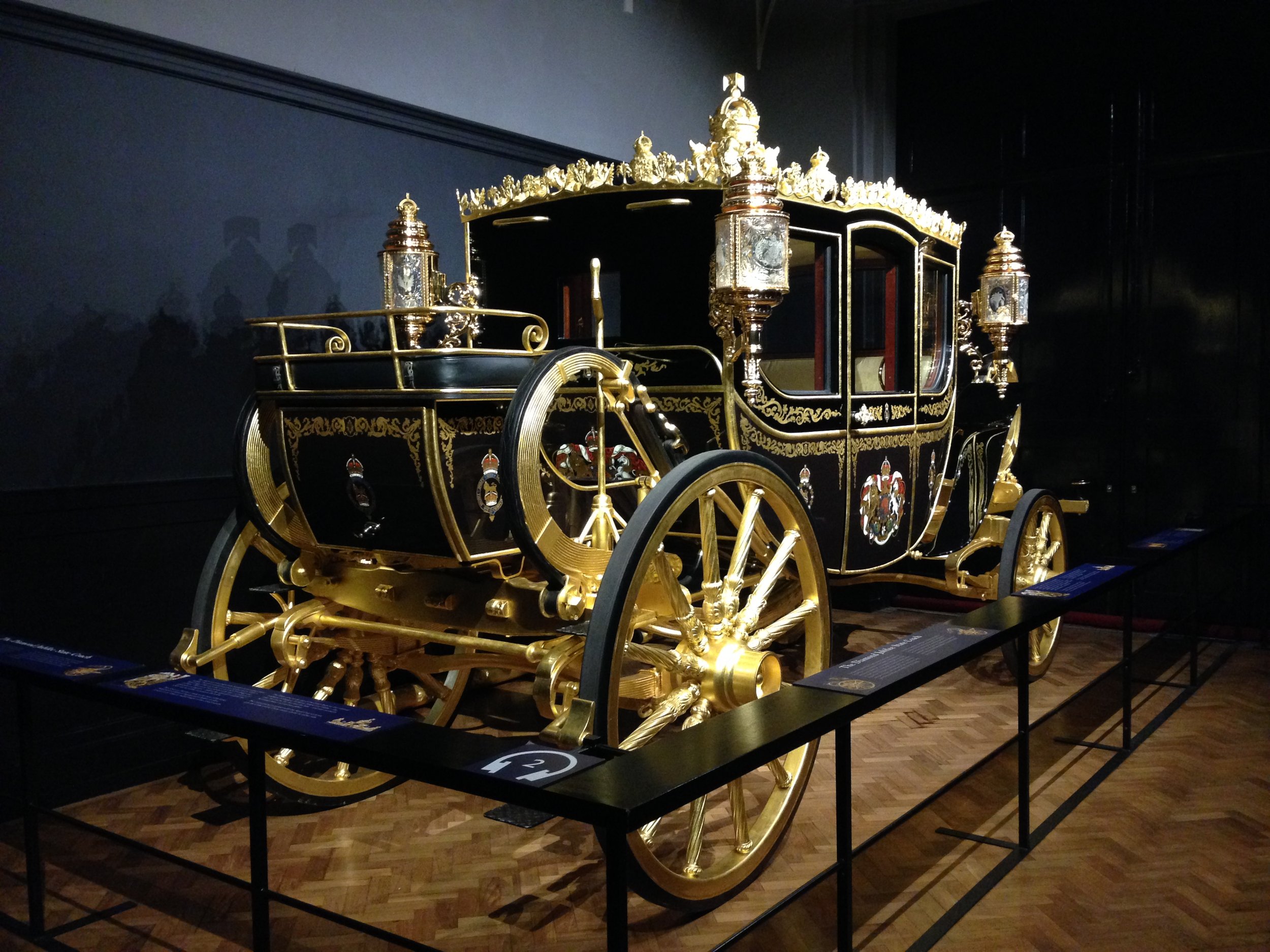
The next day, we spent more time exploring London on foot. We started near Buckingham Palace, walking along the front gates before heading toward the Royal Mews, where the royal horses and carriages are kept. The palace grounds are surrounded by wide streets and manicured gardens, and it’s one of those places that feels both grand and oddly calm at the same time. From there, we wandered through St. James’s Park, watching people feed the ducks and pigeons while the city rushed by just beyond the trees. On the far side of the park, we passed the Wellington Barracks, where members of the Army Cadet Force were training in formation. A line of teenagers in uniform marched across the courtyard with precise movements and focused expressions. It was unexpected but fascinating to watch, like catching a glimpse of London’s discipline tucked right beside its elegance.
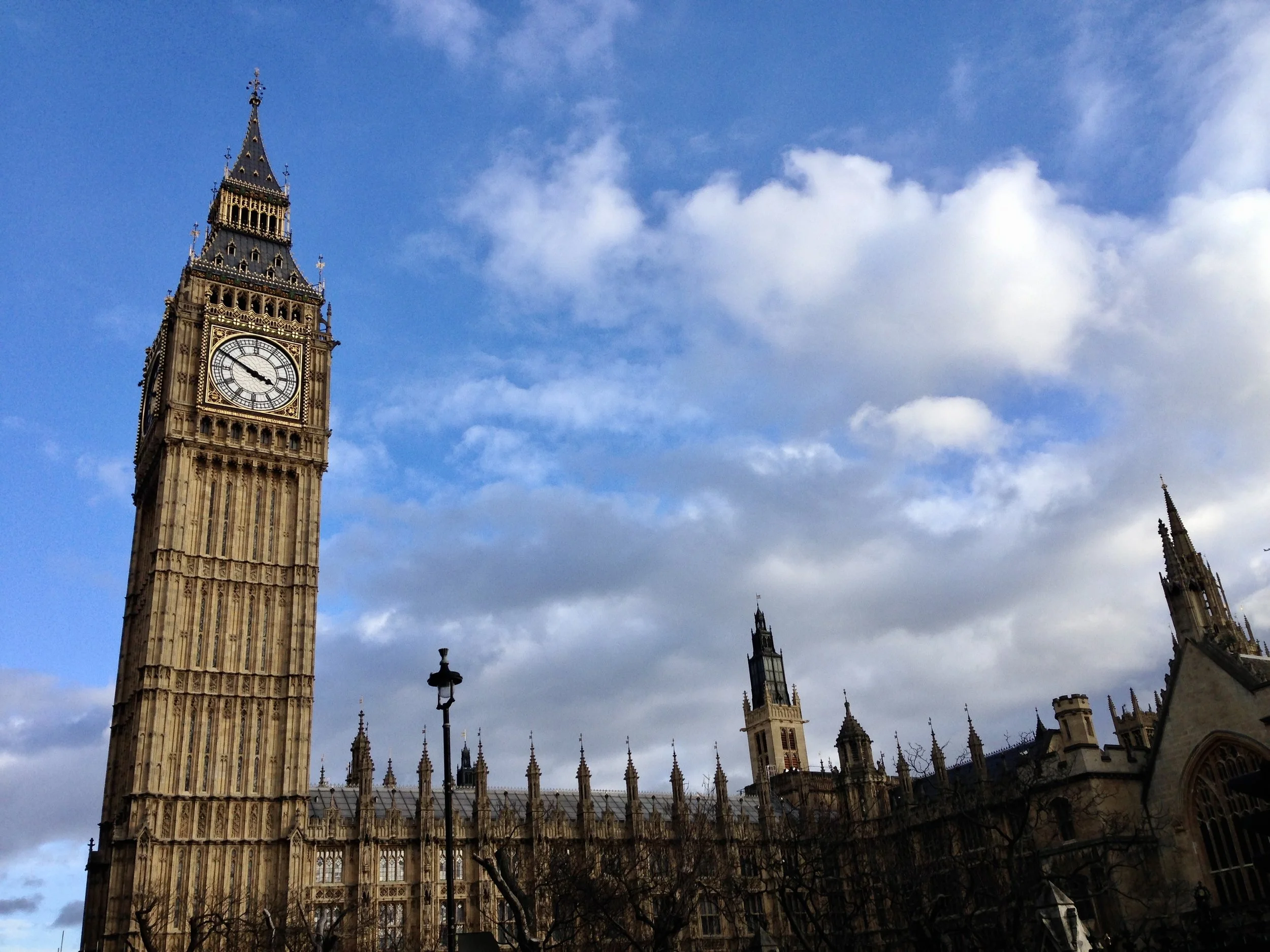
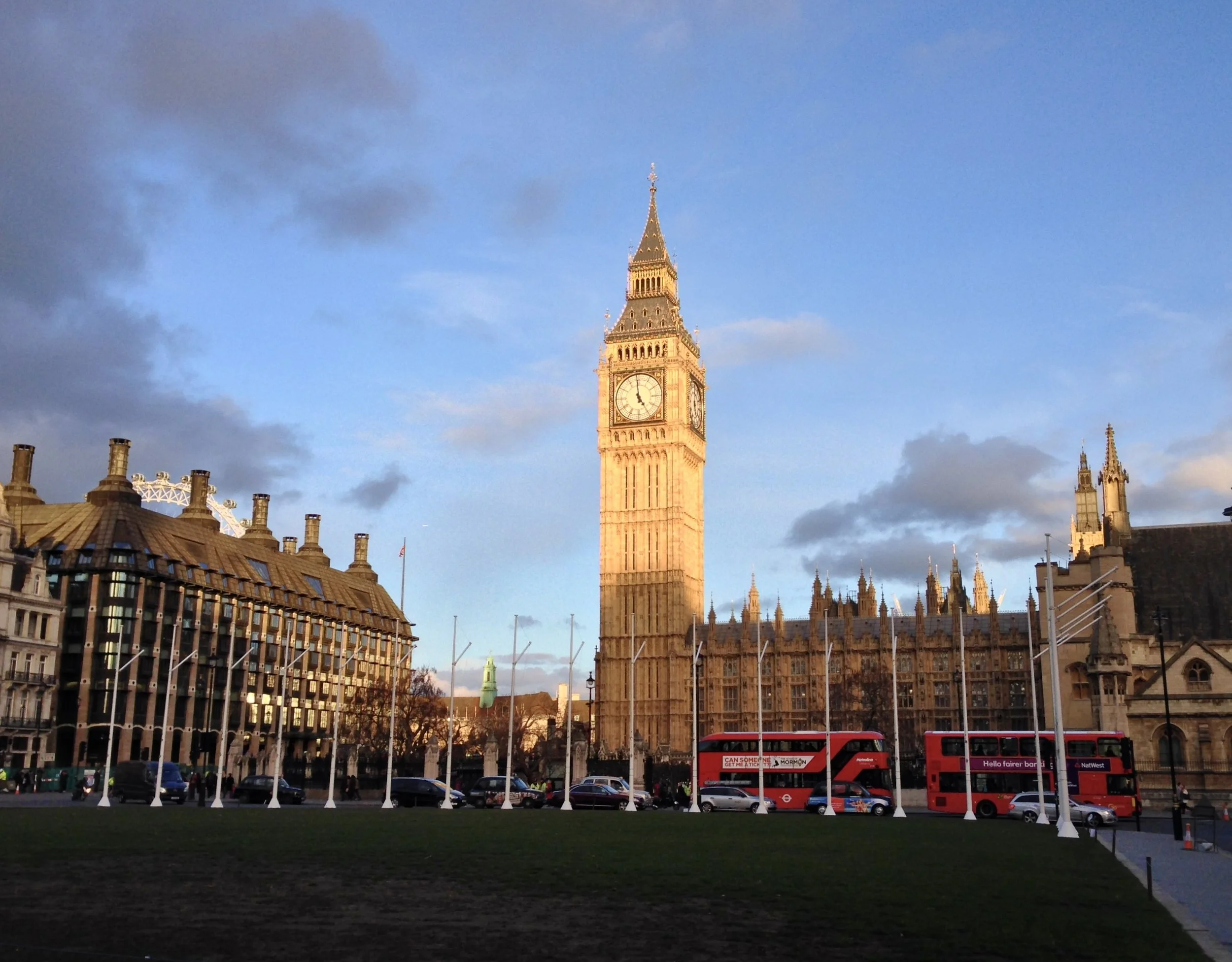
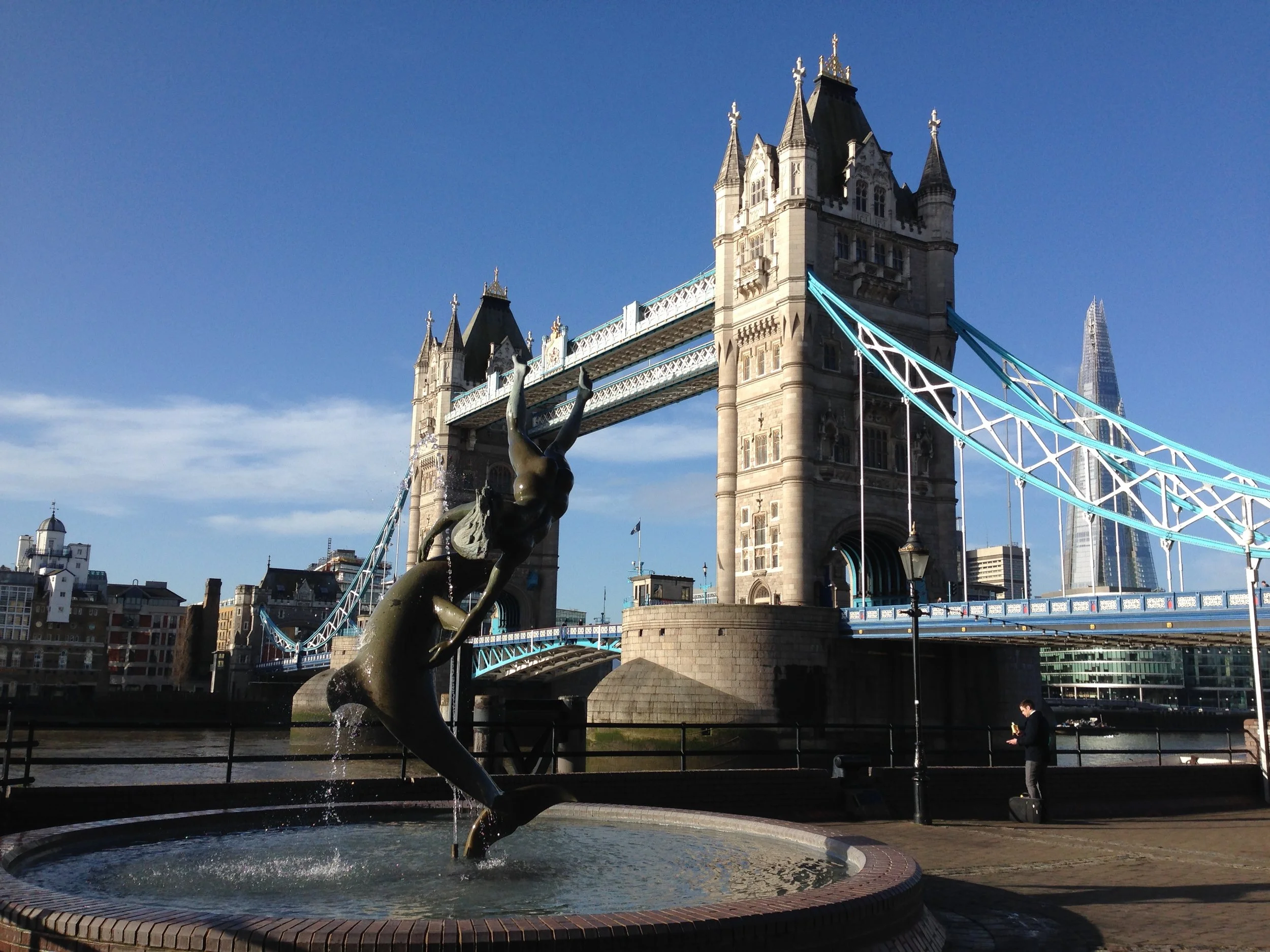
We continued toward the River Thames, stopping at Westminster Bridge for a clear view of the Houses of Parliament and Big Ben. The clock tower was even more striking up close, and standing there with the river below and the city moving around us felt like one of those quintessential London moments. From there, we walked east along the river, passing Tower Bridge with its blue suspension arches and the nearby Tower of London, where the Crown Jewels are kept. We didn’t go inside, but even from the outside, the fortress was impressive, its stone walls standing solid against centuries of change.
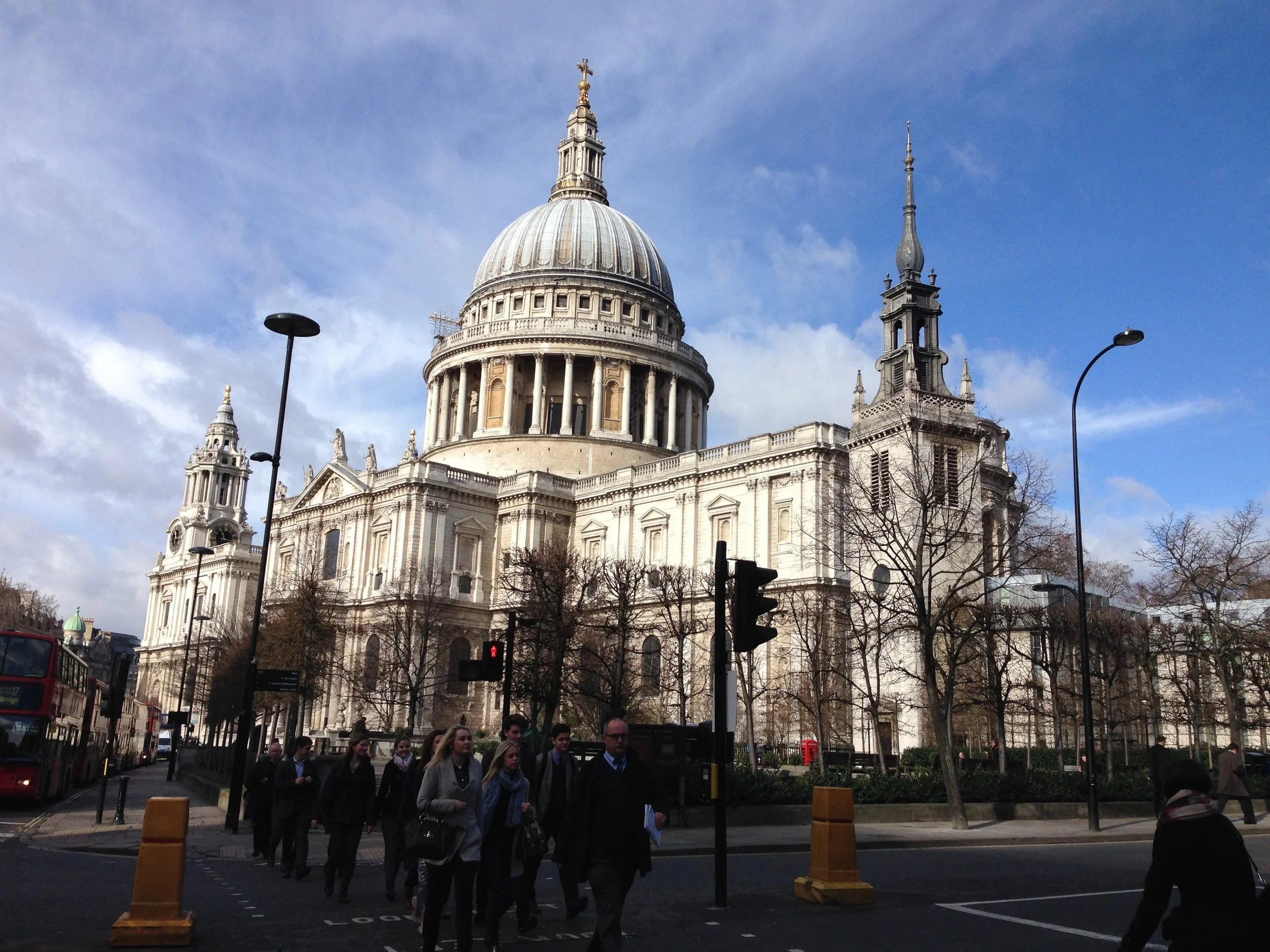
We also stopped by St. Paul’s Cathedral, its massive dome visible from blocks away. The white stone exterior seemed to glow in the weak winter sunlight, and even just standing outside, it was easy to see why it remains one of the city’s most recognizable landmarks. From there, we crossed over to the South Bank and stopped at Shakespeare’s Globe Theatre, the modern reconstruction of the Elizabethan playhouse where his works were first performed. With its half-timbered walls and thatched roof, it looked like something pulled straight out of history, sitting comfortably among the city’s glass and steel skyline.
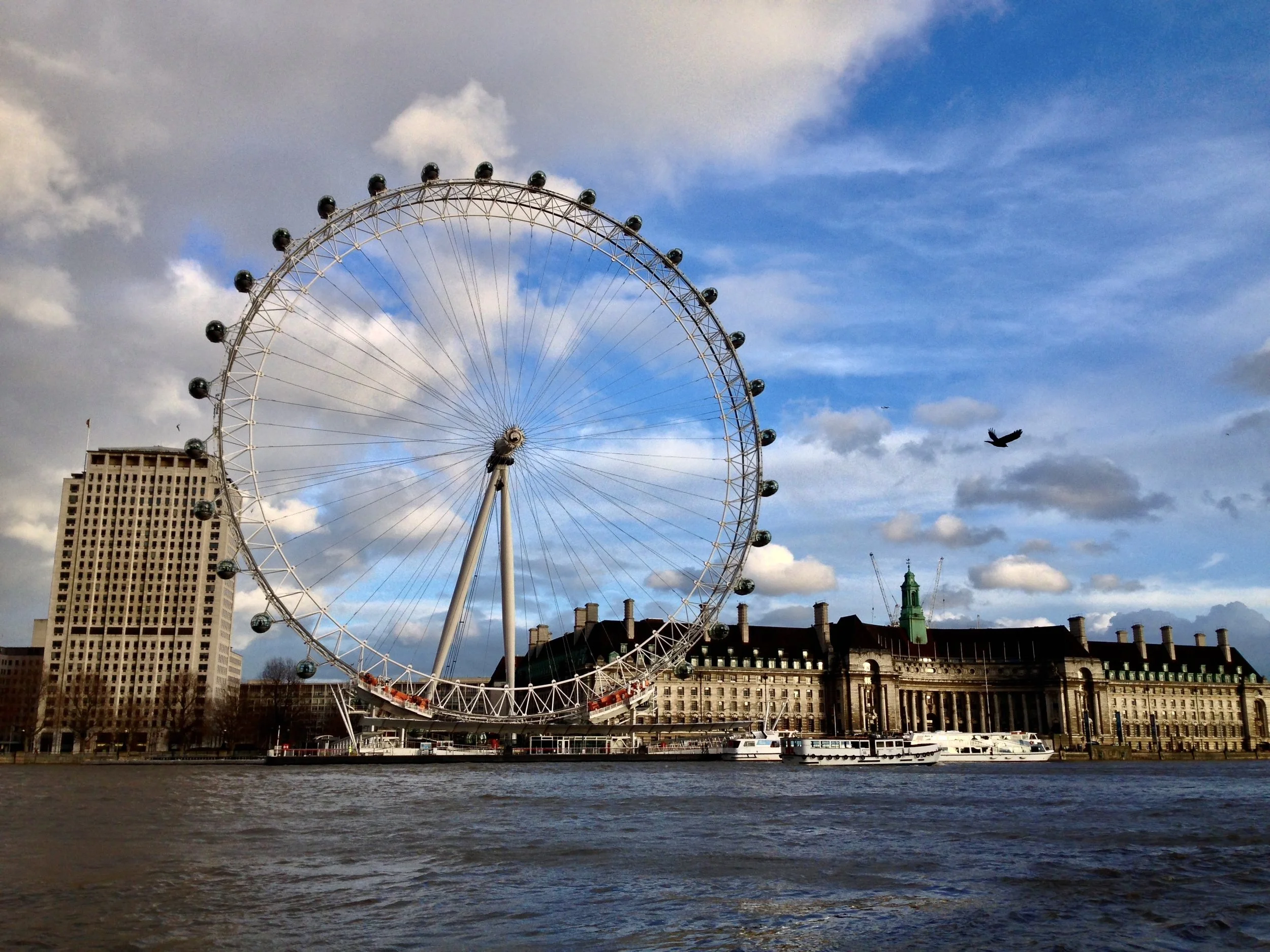
We ended the day at the London Eye, where the weather had cleared just enough for decent views. As the capsule rose above the river, the city stretched out below, with Big Ben, the Houses of Parliament, and the Thames winding through the middle of it all. Tickets were about £20 in 2015; today they cost around £36 if booked in advance and closer to £45 on the day. It’s a slow, steady ride that gives you plenty of time to take it all in, and even with the crowds, it was worth the wait.
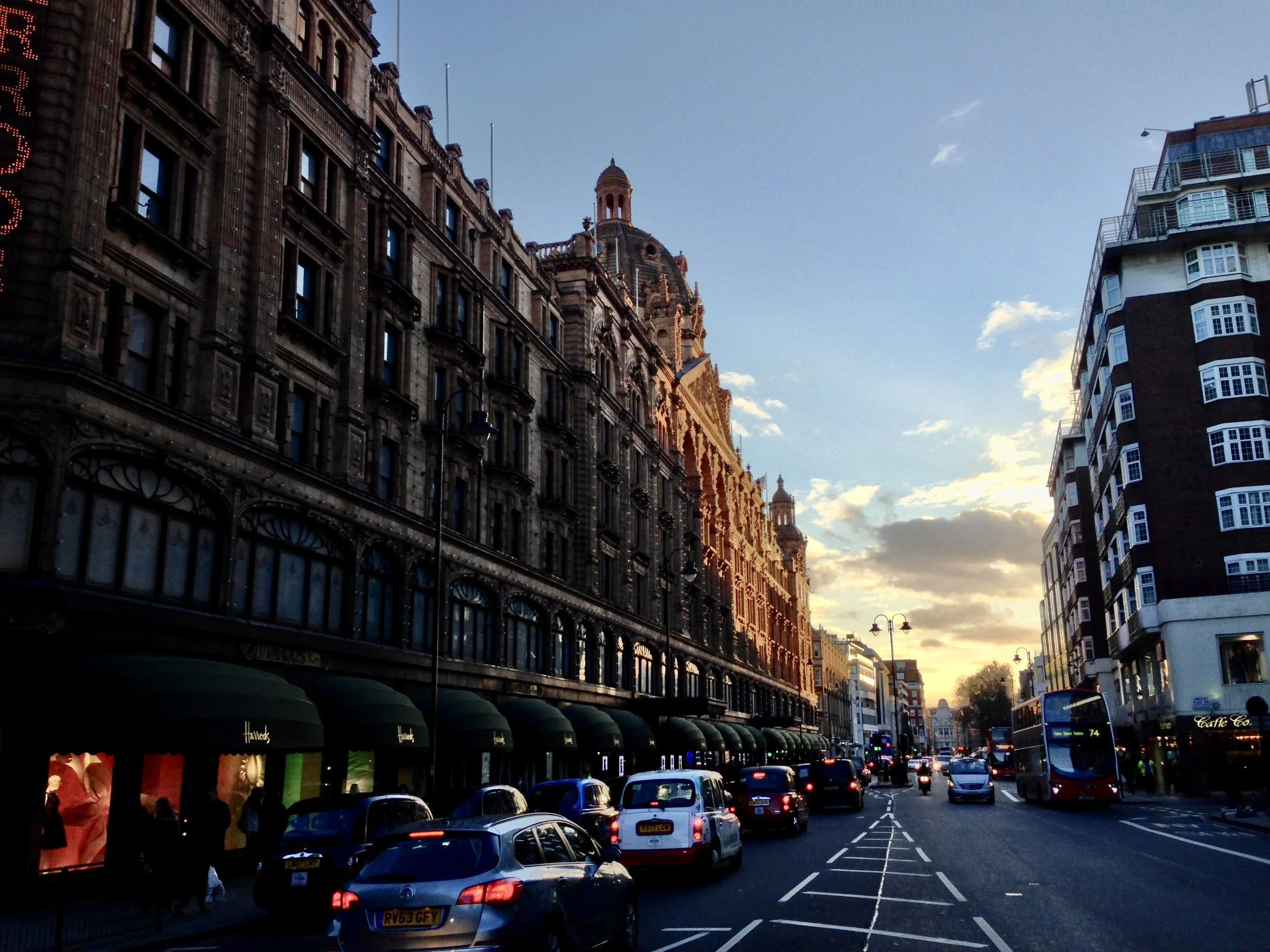
Before heading back to the hotel, we stopped at Harrods in Knightsbridge. The department store is an experience all its own, with marble floors, grand staircases, and window displays that look more like art exhibits than storefronts. The Food Halls were especially memorable, filled with pastries, chocolates, and delicacies arranged in glass cases. A small pastry cost around £4 back then; now the same indulgence can easily reach £8. Even if you don’t buy anything, it’s the kind of place you have to see once just to take in the sheer extravagance of it all.
Stonehenge, Windsor Castle, and Bath
The next morning, I joined a Stonehenge, Windsor Castle, and Bath day trip that fit a lot into one long day. The tour cost about $120 USD in 2015, which at the time was roughly £80. Today, that same tour averages between $160 and $180 USD, depending on the operator and whether you book ahead.
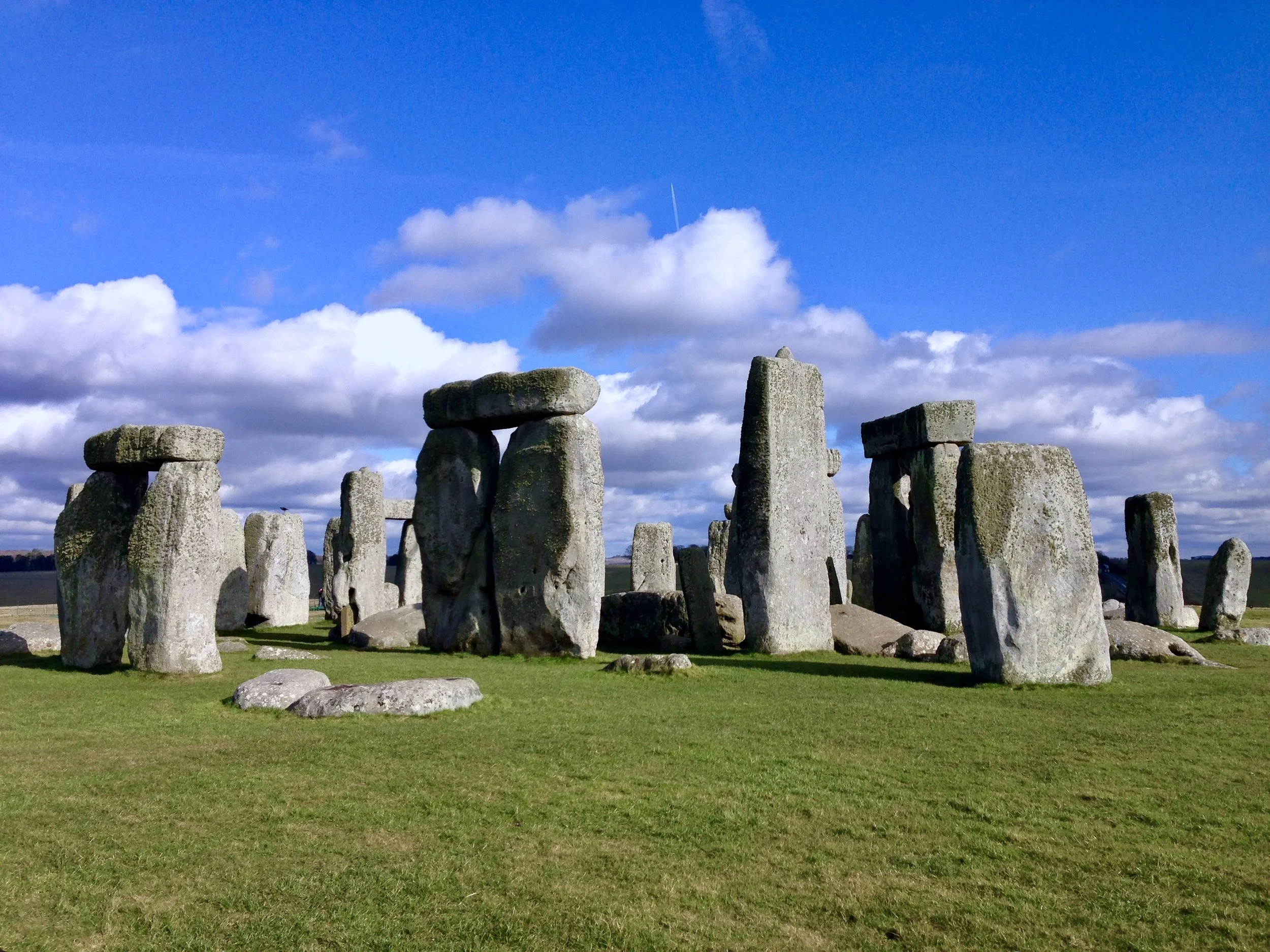
Stonehenge was smaller in person than I imagined, but standing there among those ancient stones gave it an undeniable sense of mystery. The wind was sharp, the ground muddy, and it was easy to understand why the site still fascinates people thousands of years later. Visitors moved quietly around the stone circle, listening to audio guides offering theories that range from burial site to celestial calendar. Whatever its purpose, there’s something timeless about it.
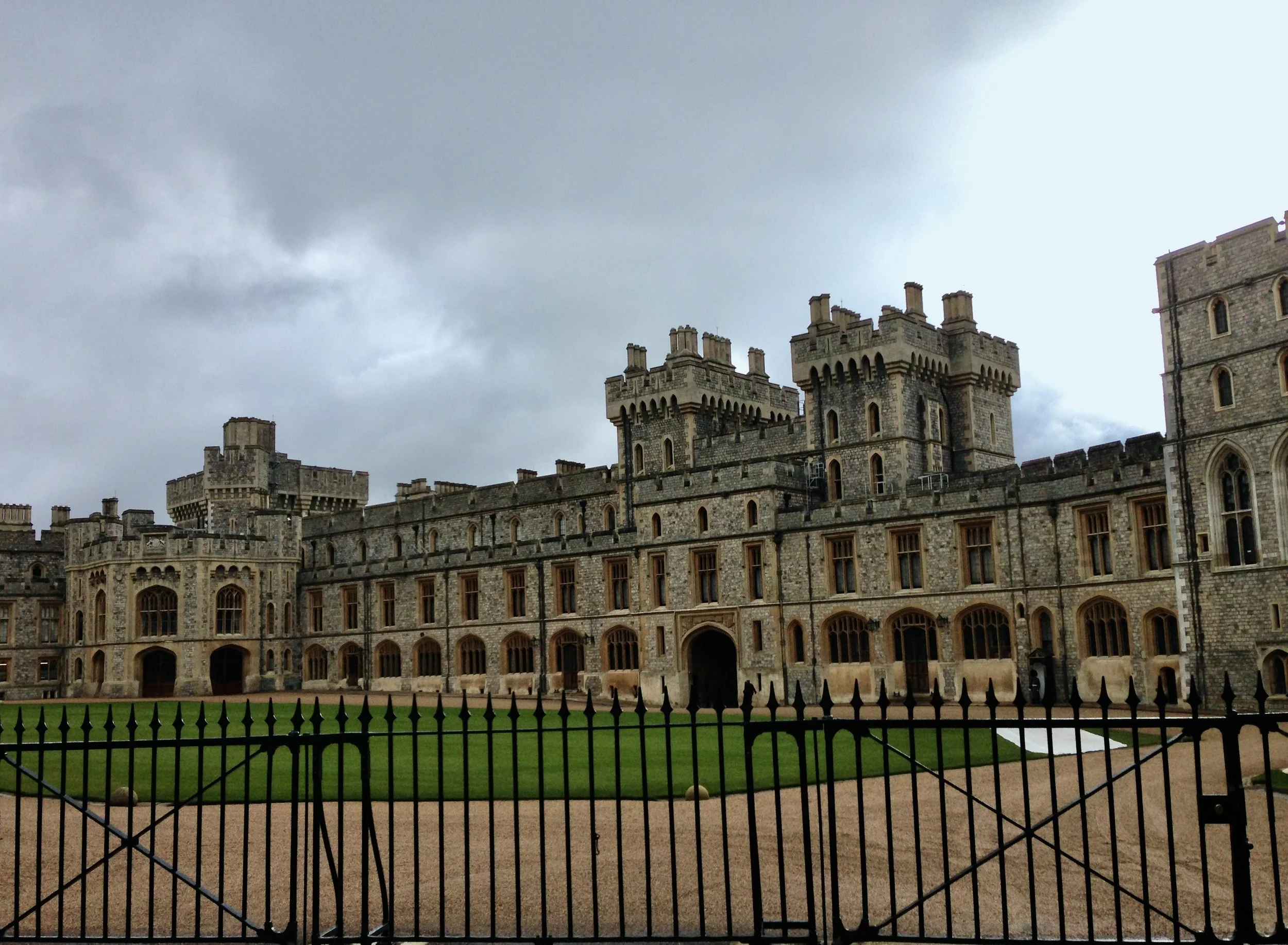
At Windsor Castle, the tone shifted from mystery to grandeur. The towers rise above the town, and even from the outside, the scale of it is impressive. Guards stood watch in the courtyard while visitors passed through the gates, cameras in hand. It’s one of those places where every brick feels steeped in royal history, and even knowing that it’s still an active residence makes it feel alive in a way that museums don’t. Admission to the castle cost about £18 in 2015; today, tickets are closer to £33.
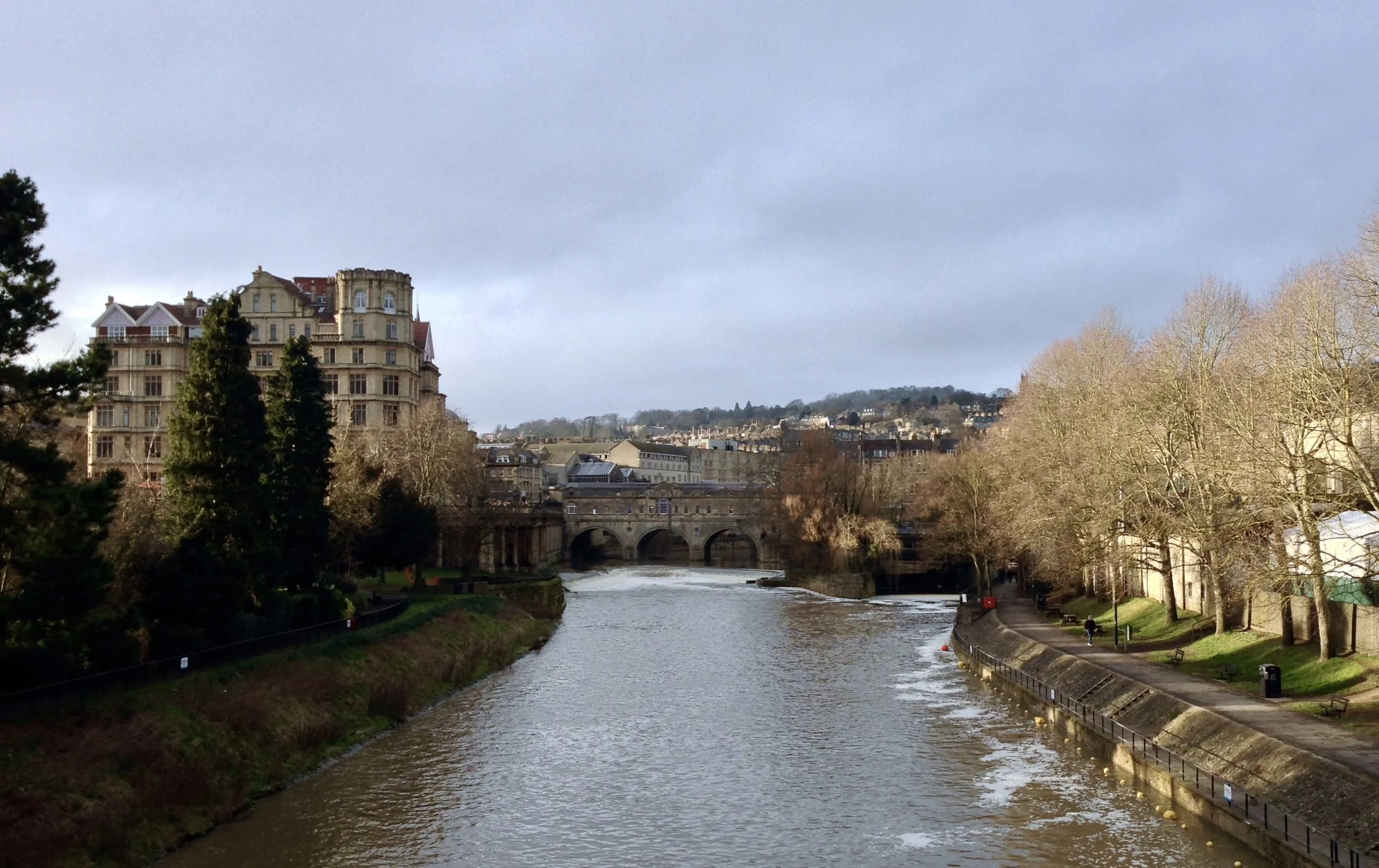
The final stop, Bath, was the most scenic of the three. The city’s honey-colored stone buildings glowed in the late afternoon light, and the Roman Baths were remarkably well preserved. Beyond its ancient history, Bath felt like a living postcard, with cobblestone streets and Georgian architecture stretching in every direction. The Pulteney Bridge, which crosses the River Avon and has rows of shops built directly into it, is one of only a few bridges in the world designed that way. The bridge and the city’s elegant look have made Bath a popular filming location, including scenes from Les Misérables. Entry to the Roman Baths was about £14 then and is now around £28.
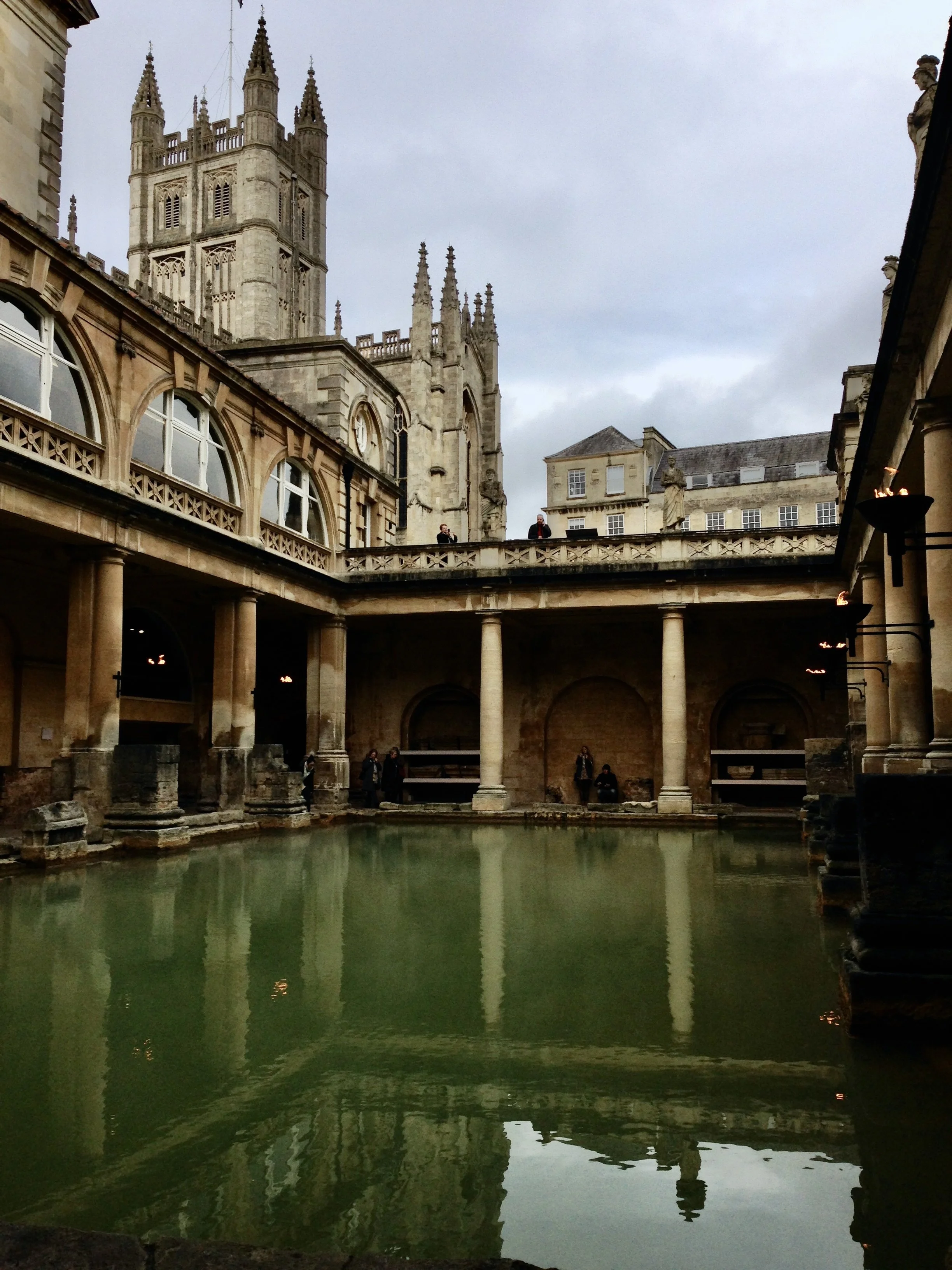
Inside the bath complex, I was surprised to see people drinking from the hot spring water. There’s a small fountain where visitors can sample it, part of a long tradition that dates back to Roman times when the water was believed to have healing properties. Locals and travelers once came here to “take the waters,” convinced the minerals could help with everything from arthritis to skin conditions. The smell of sulfur is strong enough to warn you what’s coming, and the taste is as mineral-heavy as you’d imagine. Still, it’s a small but fascinating reminder of how this city has been drawing people to its waters for centuries.
Departure
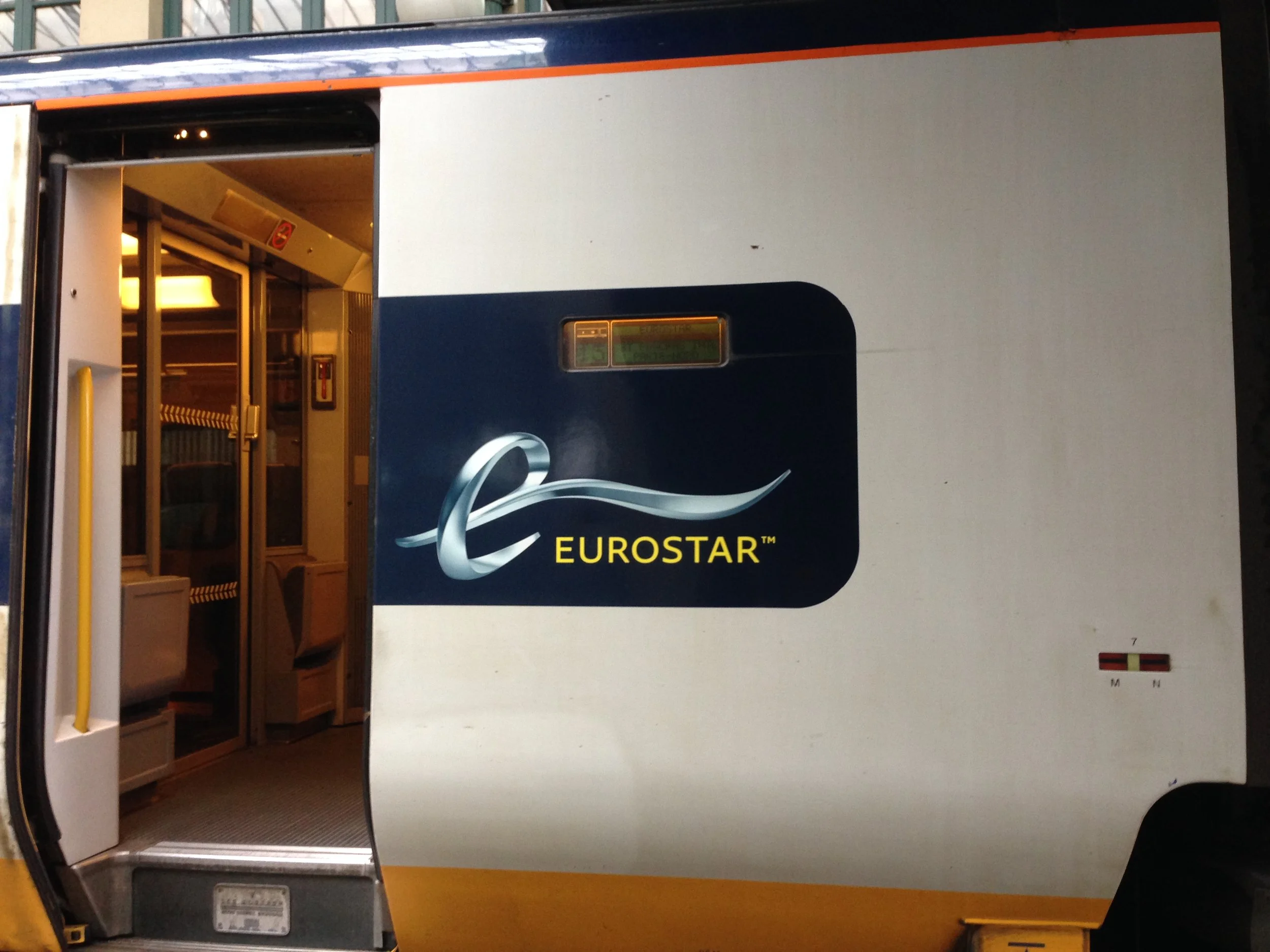
My time in England wrapped up early the next morning when I boarded the Eurostar from London St. Pancras to Paris Gare du Nord on February 26. Tickets for that route started around £60 then; today, they average closer to £120 depending on when you book. The train slid quietly beneath the Channel, marking the start of the third leg of my journey.
Getting Around
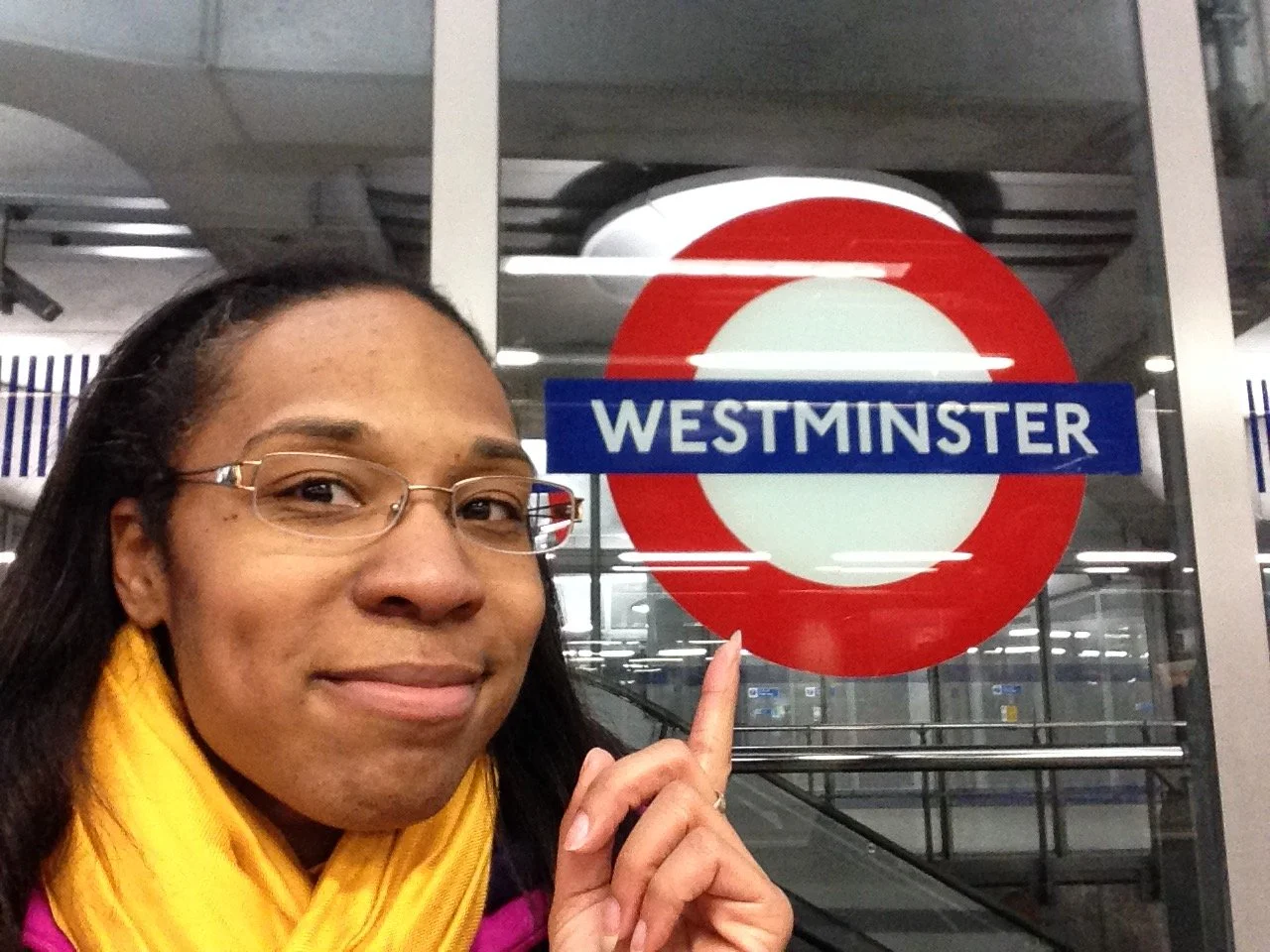
Traveling through England was simple and efficient. The First TransPennine Express connected Manchester and Sheffield in just over an hour for about £25 then, roughly £40 now. Within London, the Underground was the fastest way to move between neighborhoods. A day pass cost around £12 in 2015 and now averages closer to £17. Most of the major landmarks were easy to explore on foot, especially around Westminster and along the Thames.
The Stonehenge, Windsor, and Bath tour included coach transport from central London, which made it an easy day trip without having to navigate on my own. In London itself, there are plenty of ways to get around. The Underground (Tube) remains the quickest option, while buses and trams offer slower but more scenic routes through the city. Uber, Bolt, and other rideshare services are widely available, and for short distances, the city’s classic black cabs are easy to hail, though they cost more.
If you prefer to get around at your own pace, rental bikes through Santander Cycles (also called “Boris Bikes”) are a popular and inexpensive option. There are also e-scooters available in designated areas through operators like Lime and Dott. River buses and Thames Clippers run along the Thames and are a great alternative to traditional transport, offering some of the best views in the city.
For travelers comfortable driving on the left, car rentals are useful for exploring beyond London, especially destinations like the Cotswolds, Stonehenge, or the Peak District. Parking can be limited and expensive in central London, but outside the city, driving is a practical way to see more of the countryside.
Looking Back
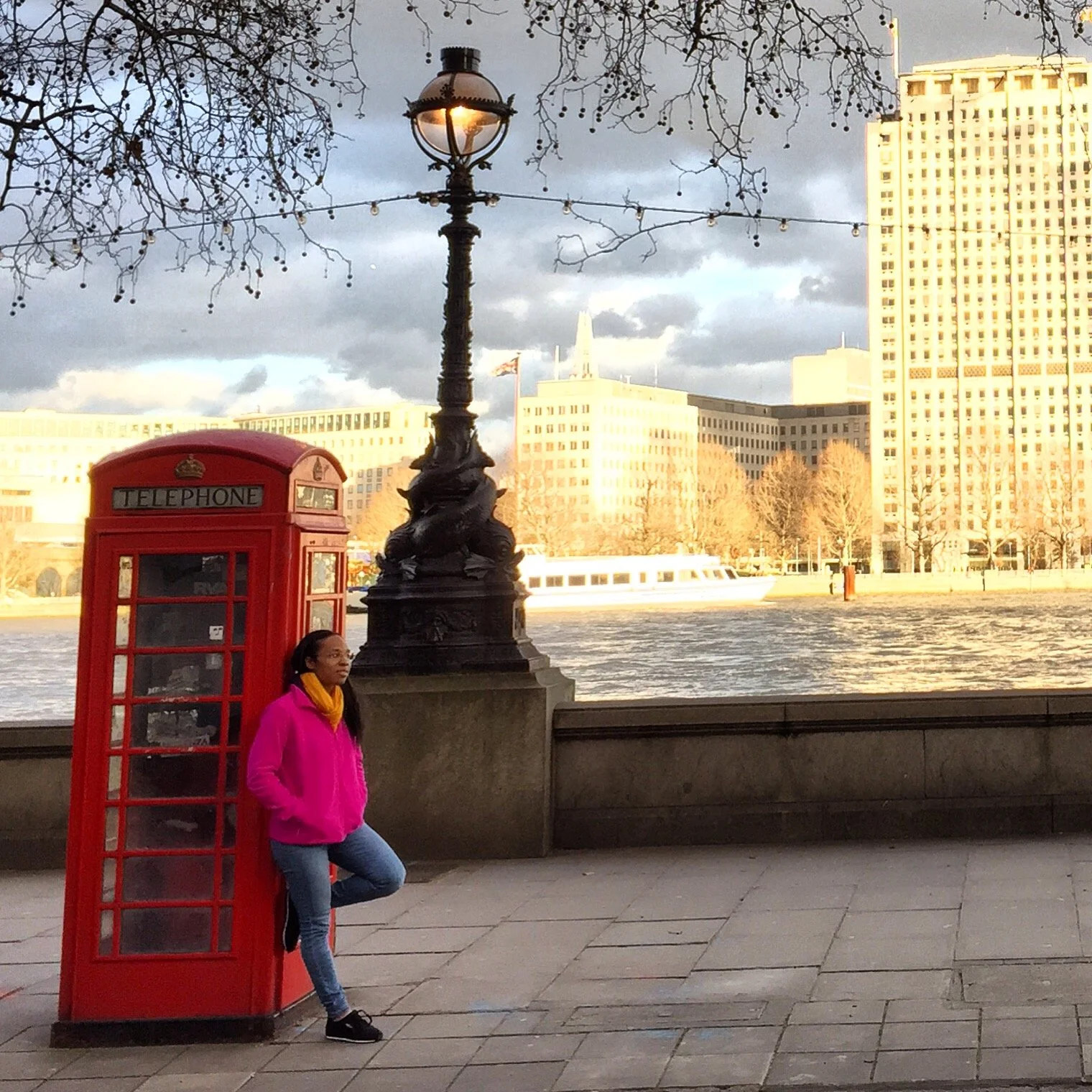
When I visited in 2015, London still felt a bit more traditional. The skyline was lower, the crowds thinner, and the pace slightly slower. The Locks of Love were still hanging on the bridge near the Thames before they were eventually removed, and the London Eye was still the city’s main modern landmark rising above the river. Now, the skyline is fuller, with new glass towers changing the city’s silhouette.
At the time, Tower Bridge and Big Ben were the stars of every postcard, and Harrods still felt like the height of luxury shopping before newer designer districts began to take over. The Tube still relied on paper tickets and the newly introduced Oyster card, which could be confusing for first-time visitors trying to use the machines. Today, it is much simpler. You just tap a credit or debit card at the gate, no ticket required.
The feel of the city has changed too. In 2015, you could walk through St. James’s Park or stand along Westminster Bridge without jostling through crowds. Now, those same areas are busier, with tourists taking photos at every turn and new cafés and markets filling the streets. Yet despite the changes, London still holds onto its balance of history and modern life, the same red buses, the same black cabs, and that same sense of constant movement that keeps it alive and unmistakably London.