Eating Your Way Through America: A Guide to Regional Foods Worth Trying
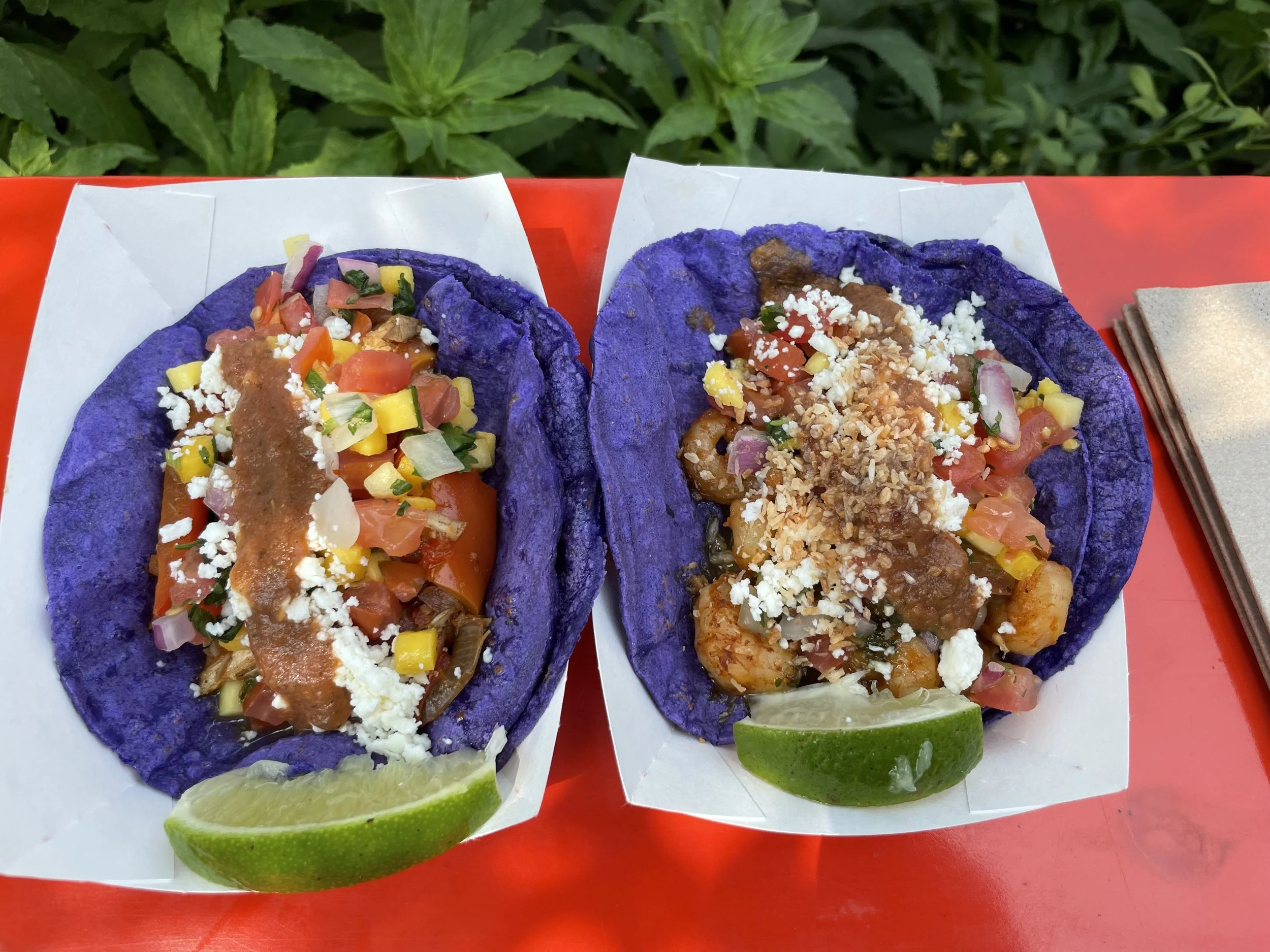
Seafood tacos in Chicago
If there’s one thing Americans love, it’s food. We celebrate with it, socialize over it, argue about it, and sometimes plan entire vacations around it. We have food festivals, cooking competitions, eating contests, and restaurants famous for serving meals large enough to feed a small family. And if you’ve heard that American portion sizes can be enormous, well, there’s certainly some truth to that. Food is a big part of American culture, both in its importance and, quite often, its size.
But there’s much more to American food than oversized hamburgers, hot dogs, fried chicken, and pizza. Having traveled through all 50 states, one of the things I’ve enjoyed discovering is just how different the food can be from one part of the country to another. Something that’s practically a local institution in one state might be completely unfamiliar to people living just a few hundred miles away. Even familiar dishes can change considerably depending on where they’re prepared. And Americans can be surprisingly particular about their regional specialties. Ask someone from Chicago whether ketchup belongs on a hot dog, or suggest to someone from Texas that all barbecue tastes the same. You’ll probably get an opinion, whether you asked for one or not.
Much of this variety comes from the people who have shaped the country. Indigenous communities developed food traditions long before the United States existed. African Americans, including generations of enslaved cooks, helped shape many dishes now considered staples of American cooking. Immigrants brought recipes and techniques from their homelands, adapting them to ingredients available in their new communities. Geography also played a role. Coastal communities developed seafood traditions, farming regions made use of locally grown grains and vegetables, and people living in colder climates often prepared hearty meals designed to keep them going through long winters.
The result is a country where you can travel from one region to another and experience entirely different food traditions without crossing an international border. And while some American foods are famous around the world, others remain little local treasures. They’re the pastries tucked into neighborhood bakery cases, the sandwiches people have been eating for generations, and the dishes that rarely make it onto international restaurant menus. So, if you’re planning a trip to the United States, come hungry. We’re going to take a little food tour around the country, with plenty of interesting stops along the way.
The Northeast: Seafood, Sandwiches, and Some Very Good Bakeries
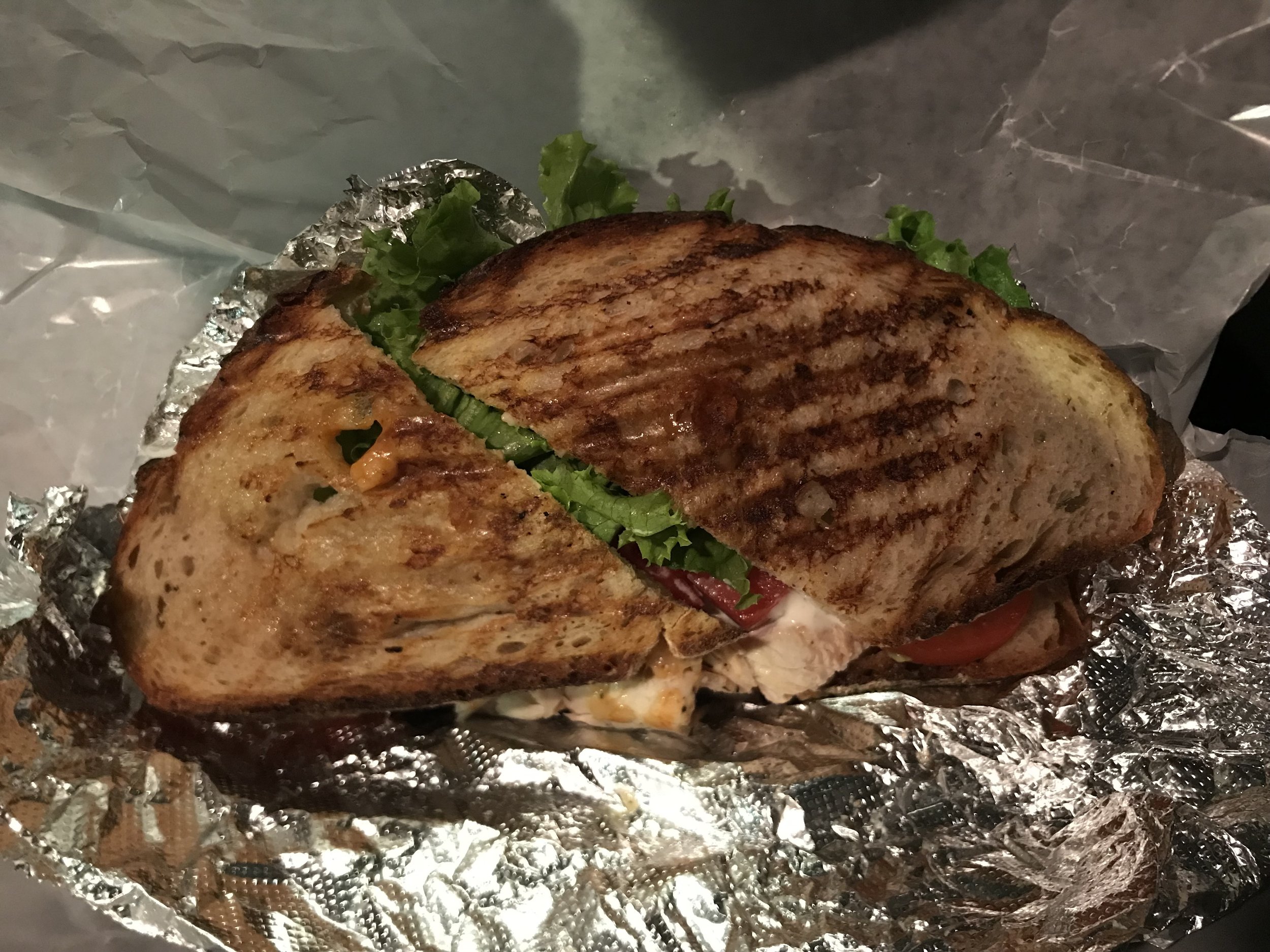
Grilled Chicken sandwich from Boston
The northeastern United States has some of the country’s oldest cities, and its food reflects centuries of Indigenous traditions, European settlement, immigration, and life along the Atlantic coast. New England, which includes Maine, Vermont, New Hampshire, Massachusetts, Rhode Island, and Connecticut, is particularly well known for seafood. If you’re visiting Maine, a lobster roll is one of those foods worth trying at least once. It’s a relatively simple sandwich made with lobster meat tucked into a toasted bun, usually served chilled with a light mayonnaise dressing. Connecticut is known for its warm lobster rolls dressed with melted butter, and people have their preferences about which version is better. When the lobster is fresh, though, it’s pretty hard to go wrong either way.
If you’re traveling through New England during the colder months, a bowl of clam chowder is worth seeking out. It’s a thick, creamy soup made with clams, potatoes, and other ingredients, and it’s especially comforting after you’ve spent the afternoon walking around a windy coastal town. But seafood isn’t the only thing worth eating here. In Rhode Island, you’ll find something called pizza strips, rectangular pieces of pizza dough topped with tomato sauce but no cheese. They’re commonly served cold or at room temperature, which might sound a little strange if you’re accustomed to hot, cheesy pizza. But they’ve been a longtime favorite in Rhode Island’s Italian American bakeries, and they’re one of those local foods you probably wouldn’t know to look for unless someone told you about them.
And then there are the sweets. Maine is particularly associated with whoopie pies, made with two soft, cake-like chocolate rounds and a generous layer of cream filling. Pennsylvania has its own longstanding whoopie pie tradition, along with another dessert called shoofly pie. It’s a molasses-based pie with a crumb topping that comes from Pennsylvania Dutch baking traditions. Despite the name, Pennsylvania Dutch communities are largely descended from German-speaking immigrants. If you enjoy the deep, rich flavor of molasses, it’s worth trying a slice.
As you travel into the larger northeastern cities, immigrant influences become even more apparent. New York’s food culture has been shaped by generations of Jewish, Italian, Chinese, Caribbean, and many other communities. You’ll find everything from chewy bagels and large, foldable pizza slices to an extraordinary variety of neighborhood restaurants. Philadelphia is famous for its cheesesteak, made with thinly sliced beef and melted cheese served in a long roll, while Maryland is known for its crab cakes and steamed blue crabs. If you order whole crabs, be prepared to work for your dinner. Getting the meat out of the shells is part of the experience, and it’s not necessarily a tidy one.
One of the nice things about eating in the Northeast is that some of the best regional specialties are found in ordinary neighborhood bakeries, seafood shacks, and sandwich shops. You don’t necessarily need reservations or a large budget. Sometimes you just need to know what to look for.
Suggested images: Maine lobster roll, Rhode Island pizza strips, and chocolate whoopie pies.
The South: Food, Family, and Generations of Tradition
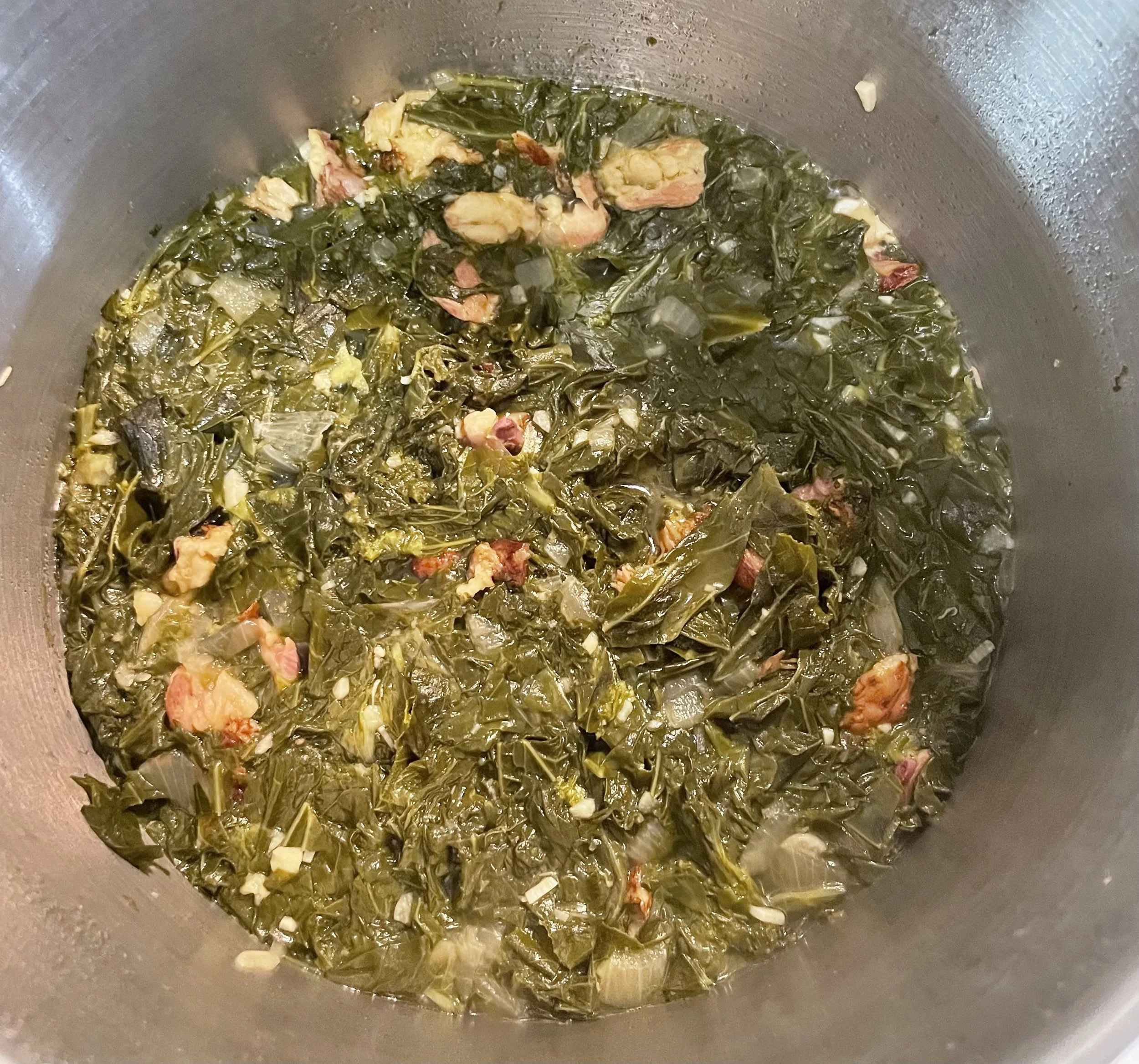
Southern cooking is one of the most recognizable parts of American cuisine, and its history is much more complicated and interesting than a plate of fried chicken might suggest. Indigenous peoples cultivated corn, beans, squash, and other crops long before Europeans arrived. African food traditions, agricultural knowledge, and the cooking skills of enslaved Africans became central to the development of Southern cuisine. European settlers contributed additional ingredients and techniques. Over generations, those influences produced foods that became deeply connected to family gatherings, celebrations, and everyday life.
If you’re visiting the South, breakfast is a good place to begin. Southern biscuits are nothing like the sweet, crunchy biscuits familiar to people in some other countries. They’re soft, fluffy breads that are usually served warm. You might eat them with butter and jam, or covered in a creamy sausage gravy. Biscuits and gravy is a popular Southern breakfast, and it’s considerably more filling than the name might suggest. Grits are another staple. They’re made from ground corn and cooked until soft and creamy, sometimes with butter or cheese. In coastal areas of South Carolina and Georgia, shrimp and grits is especially popular. The dish reflects the food traditions of the Lowcountry, a coastal region where African American culinary knowledge and local seafood have played important roles for generations.
Of course, there’s fried chicken. But rather than heading straight to a familiar fast-food chain, try a locally owned restaurant that serves traditional Southern meals. You might find fried chicken served with collard greens, cornbread, macaroni and cheese, black-eyed peas, or candied sweet potatoes. Soul food restaurants are particularly worth visiting. Soul food is rooted in African American culinary traditions, and many of its dishes reflect generations of resourcefulness, creativity, and family cooking. Recipes can vary considerably from one household to another, which is part of what makes these foods so interesting.
And don’t overlook Southern barbecue. Barbecue isn’t one uniform style across the South. In parts of North Carolina, pulled pork is commonly served with a vinegar-based sauce. In Memphis, Tennessee, pork ribs are a specialty, often prepared with dry spice rubs or sauce. People can be remarkably loyal to their preferred barbecue style, and the disagreements can become quite spirited. If you’re traveling through Nashville, you might also want to try hot chicken. It’s fried chicken coated with a spicy seasoning mixture, and restaurants often offer several heat levels. Choose carefully. Some places are not exaggerating when they call something hot.
Southern desserts deserve attention of their own. Sweet potato pie is a traditional favorite, particularly in African American communities. It has a smooth, spiced filling made with sweet potatoes and is especially popular around the holidays. Peach cobbler is another classic, made with baked peaches and a sweet biscuit-like or cake-like topping. But there are also some wonderful regional desserts that don’t get nearly as much attention. In North Carolina, particularly around Winston-Salem, look for Moravian sugar cake. Moravian settlers brought their baking traditions to the region during the 18th century, and this soft yeast cake became a local favorite. It’s made with butter and cinnamon sugar tucked into small indentations across the top, creating sweet pockets as it bakes. Kentucky has its own lesser-known specialty called transparent pie. Despite its name, the pie isn’t transparent. It’s a sweet, buttery custard-style dessert particularly associated with the Maysville area. It’s one of those regional foods you probably wouldn’t know to order unless someone told you about it.
Louisiana deserves special attention because its food traditions are so distinctive. Cajun and Creole cuisines developed through different histories, drawing on French, Spanish, African, Indigenous, Caribbean, and other influences. Although they share certain ingredients and techniques, they’re not interchangeable. If you’re visiting New Orleans, try gumbo. It’s a flavorful stew that may contain chicken, sausage, seafood, or okra, and it’s commonly served with rice. Jambalaya is another favorite, made by cooking seasoned rice with meat, seafood, and vegetables. Then there’s the po’boy, a sandwich served on Louisiana-style French bread and filled with everything from fried shrimp to roast beef.
And for dessert, beignets are practically a New Orleans institution. These warm pieces of fried dough are covered in powdered sugar, usually enough to ensure that some of it ends up on your clothes. Consider that part of the experience. For something less familiar, look for doberge cake. This New Orleans specialty is made with multiple thin layers of cake and creamy filling, often chocolate or lemon, then covered with icing. Louisiana is one of those places where the food is so closely connected to the local culture that eating becomes part of understanding the destination.
Suggested images: Shrimp and grits, New Orleans beignets, and Moravian sugar cake.
The Midwest and Great Plains: A Little Bit of Europe in America’s Heartland
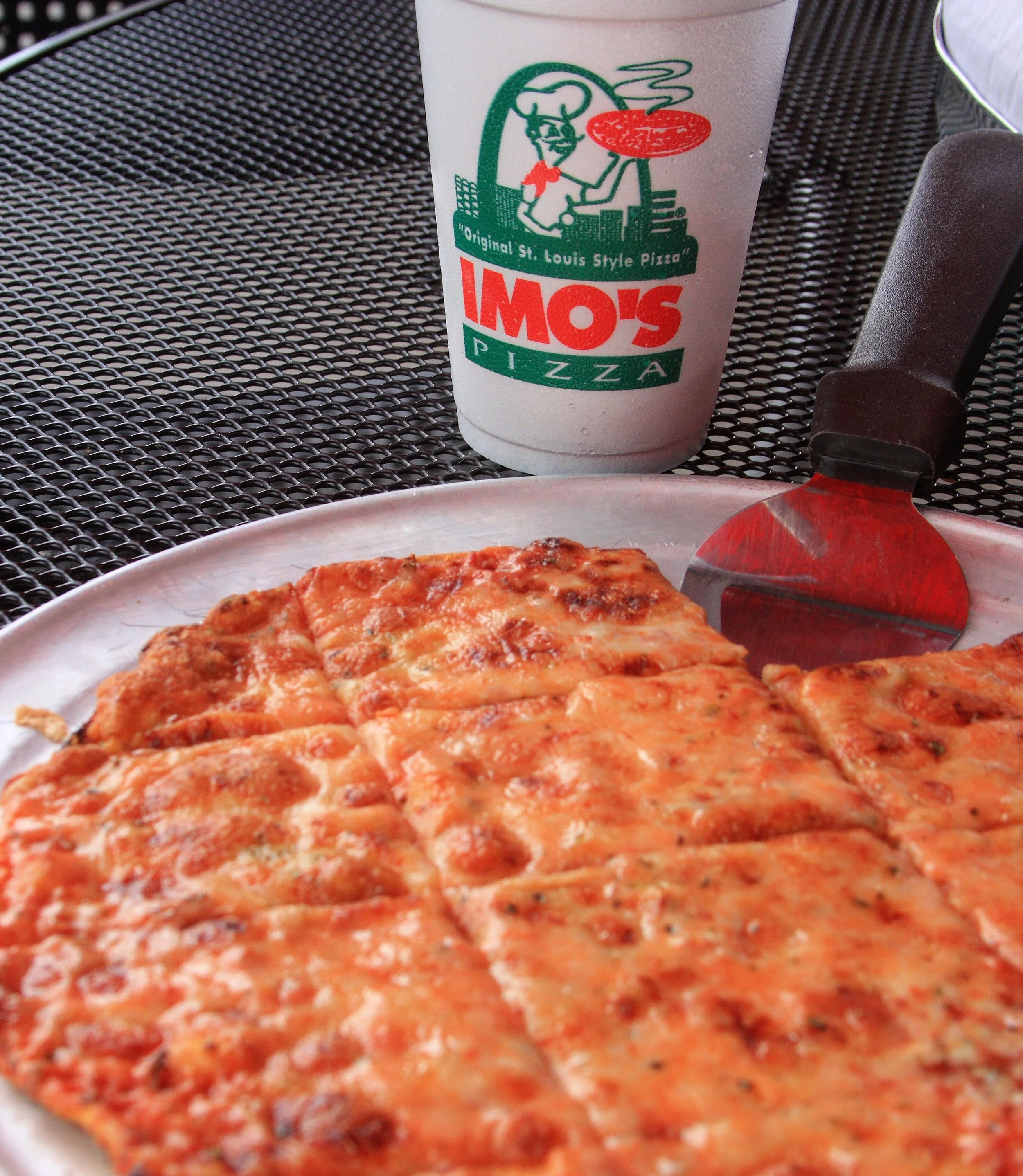
Imo’s Pizza in St. Louis
The Midwest doesn’t always get the attention it deserves when people talk about American food. But if you enjoy a good sandwich, freshly baked pastries, and meals that will keep you full for the better part of the day, you’ll do just fine here. Much of the region’s food reflects the immigrants who settled here during the 19th and early 20th centuries. Germans, Poles, Italians, Scandinavians, Czechs, and others brought their recipes and cooking traditions with them. Over time, those foods became so much a part of the local culture that people sometimes forget where they came from.
Take Chicago, for example. The city is famous for deep-dish pizza, and yes, it’s worth trying. But here’s something visitors might not know: Chicagoans also eat plenty of thin-crust pizza, usually cut into small squares. It’s called tavern-style pizza, and if you ask some locals, they’ll tell you it’s what they actually order when they want pizza for dinner. Deep dish tends to get all the publicity. Chicago also has the Italian beef sandwich, which developed within the city’s Italian American community. It’s made with thinly sliced roast beef served in a long roll with seasoned cooking juices. You can add sweet peppers or spicy giardiniera, a mixture of pickled vegetables. Some people order their sandwiches dipped, which means the entire sandwich gets dunked into the beef juices. It’s delicious, but this is probably not the sandwich to eat while wearing your favorite white shirt.
Head north to Wisconsin, and you’ll discover that the state’s reputation for cheese is well deserved. Fresh cheese curds are a local favorite. They have a mild flavor and sometimes make a little squeaking sound when you bite into them. You’ll also find them battered and fried, which is a particularly popular way to eat them. But Wisconsin has something else worth looking for: kringle. Danish immigrants established a baking tradition in Racine, and the city became particularly known for this flaky, oval-shaped pastry. Kringle is made with layers of dough and fillings such as fruit, nuts, or cream cheese, then often finished with a sweet glaze. You’ll find it in local bakeries, and it’s a good reminder that some of America’s best regional foods are things you might otherwise walk right past.
Michigan’s Upper Peninsula has its own immigrant food tradition: the pasty. These savory hand pies came to the region with Cornish miners during the 19th century. Filled with meat, potatoes, and vegetables, they were practical lunches that miners could carry to work. Today, pasties remain a local specialty, and you’ll find shops selling them throughout the Upper Peninsula. If you’re traveling through St. Louis, Missouri, keep an eye out for gooey butter cake. It’s a rich, buttery dessert with a dense base and a soft, sweet topping. The name is fairly accurate, and you probably won’t need a very large piece. Indiana has sugar cream pie, a simple dessert made with cream, sugar, and vanilla that has been part of the state’s baking tradition for generations.
And then there’s Cincinnati, Ohio, where chili is commonly served over spaghetti. Cincinnati chili was developed by Greek and Macedonian immigrant restaurateurs and has a distinctive seasoning profile that can include warm spices. It’s usually topped with a generous amount of finely shredded cheese. It may not be what you picture when someone says chili, but that’s part of the fun of eating your way around the country. As you travel west across the Great Plains, the landscape opens up, and the food reflects the region’s agricultural history. In Nebraska, look for a Runza. It’s a baked bread pocket filled with seasoned ground beef, cabbage, and onions, with roots in the food traditions of Volga German immigrants. It’s a practical, filling meal, which makes sense for a region with a long history of farming and ranching.
In the Dakotas, you may come across dishes reflecting German and Scandinavian heritage, including kuchen, a custard-filled pastry that’s particularly associated with North Dakota and South Dakota. Throughout the Plains, you’ll also find steaks, hearty breakfasts, and local diners serving generous meals. If you’re taking a road trip through this part of the country, don’t overlook the small-town restaurants and bakeries. They’re often where you’ll find the foods that tell you the most about the communities you’re visiting.
Suggested images: Chicago Italian beef sandwich, Wisconsin kringle, and Michigan pasty.
Texas and the Southwest: Barbecue, Chiles, and a Lot of Flavor
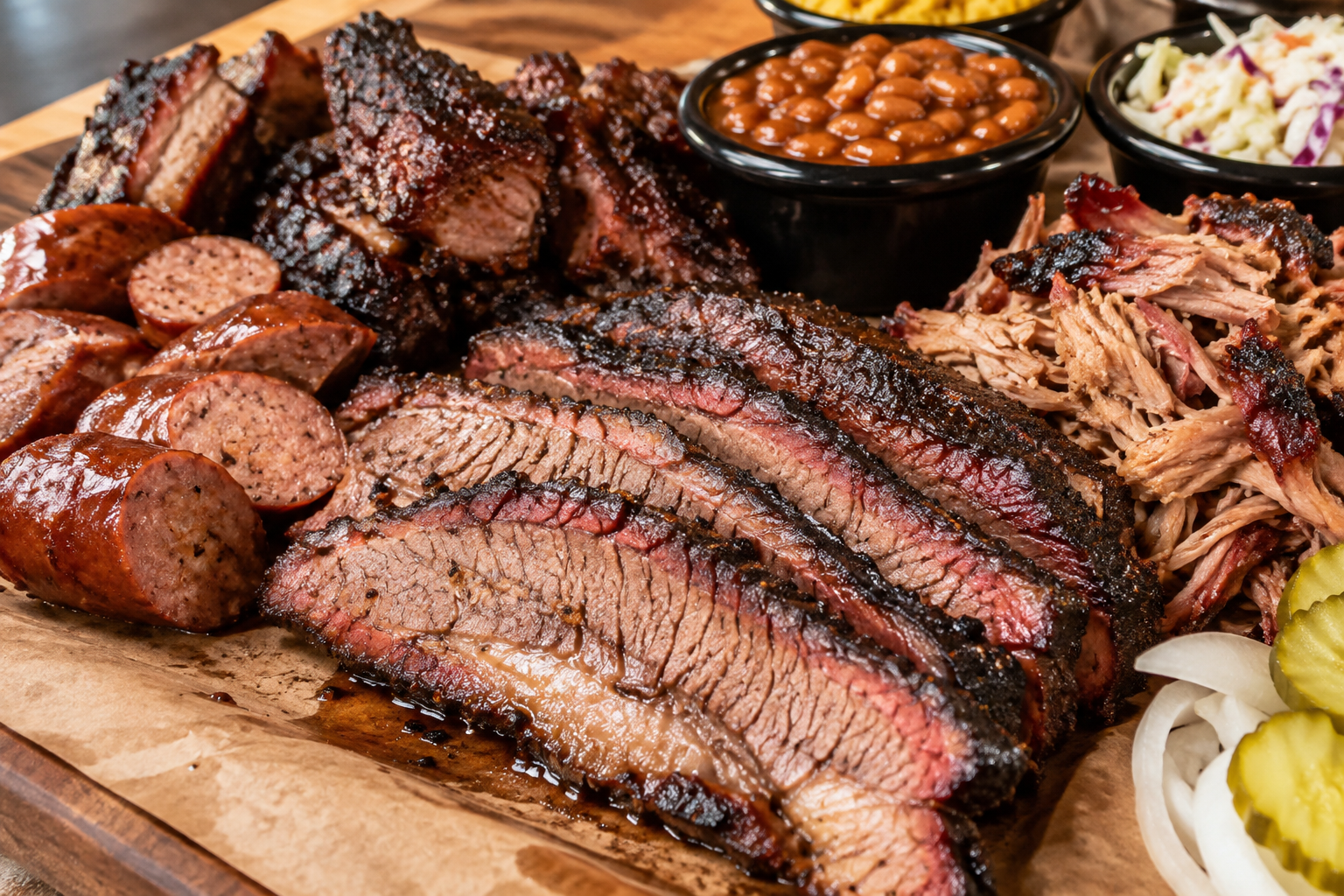
Texas BBQ
If you’re visiting Texas, you’ve probably already heard about the barbecue. But Texas barbecue isn’t simply meat cooked on a grill. Traditional beef brisket is smoked slowly for hours until it becomes tender, with a dark, seasoned crust on the outside. In many Central Texas barbecue restaurants, you order your meat by weight. It may be served on butcher paper with pickles, onions, bread, and sides such as beans or potato salad. And yes, people have very strong opinions about which barbecue restaurant is the best.
Texas also has a strong Tex-Mex tradition, which developed through generations of Mexican and Texas cultural exchange. You’ll find enchiladas, fajitas, breakfast tacos, and queso, a warm cheese dip commonly served with tortilla chips. For something a little different, try chicken-fried steak. Despite the name, there’s no chicken involved. It’s beef that’s been breaded, fried, and usually covered in a creamy gravy. Texas bakeries also have some interesting specialties. Czech immigrants brought baking traditions that eventually became part of the state’s food culture. Look for kolaches, soft pastries with sweet fillings such as fruit or cheese, and klobasniky, which have savory fillings such as sausage. They’re especially popular in parts of Central Texas.
As you travel farther west, you’ll encounter food traditions shaped by Indigenous communities and centuries of Mexican and Spanish influence. Many of the ingredients associated with Southwestern cooking, including corn, beans, squash, and chiles, have been cultivated in the region for generations. New Mexico is particularly known for its red and green chile sauces. You’ll find them served over enchiladas, burritos, eggs, and even cheeseburgers. And here’s something useful to know: if you’re ordering food in New Mexico and someone asks whether you want red or green chile, you can say “Christmas.” That means you’d like both.
One dish worth trying is a green chile cheeseburger, which combines a familiar American hamburger with roasted green chiles. The chiles add a smoky flavor and varying levels of heat. In Arizona, look for a Sonoran hot dog. It’s a bacon-wrapped hot dog served in a soft bun with beans, tomatoes, onions, and other toppings. The dish reflects the close culinary connections between Arizona and the Mexican state of Sonora. For something sweet, New Mexico has biscochitos, delicate cookies flavored with anise and cinnamon sugar. They’re especially popular around Christmas, although some bakeries sell them throughout the year.
The Southwest is also an excellent place to explore Native American food traditions through Native-owned restaurants and food businesses. Different Indigenous communities have their own culinary practices, and dishes made with ingredients such as blue corn, beans, squash, and local chiles offer visitors another perspective on the region’s history.
Suggested images: Texas smoked brisket, New Mexico green chile cheeseburger, and biscochitos.
The West Coast and Pacific Northwest: Seafood, Street Food, and a Little Bit of Everything
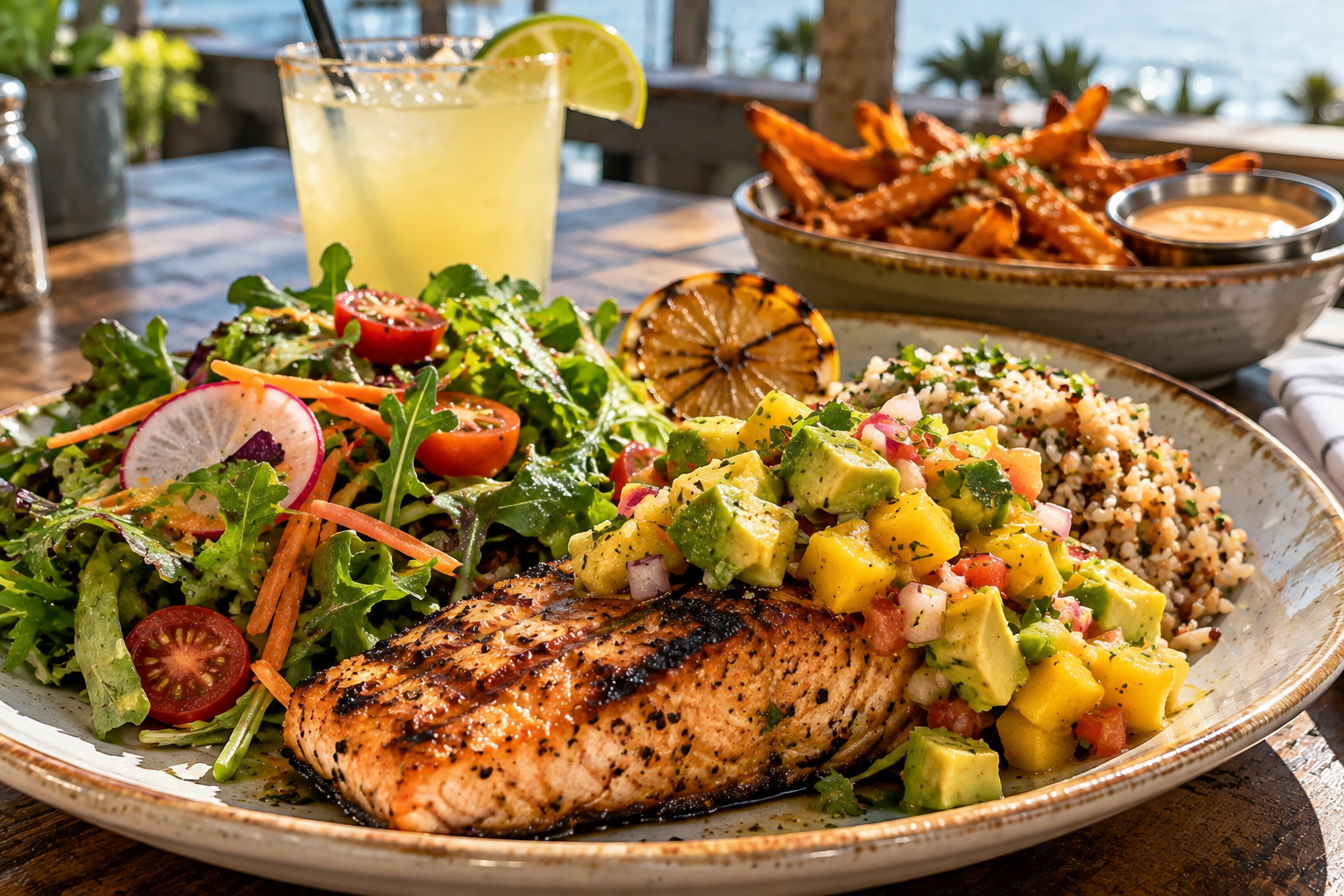
California style cuisine
California, Oregon, and Washington have some of the most varied food cultures in the country. The Pacific Ocean provides seafood, the region’s farms produce an enormous variety of fruits and vegetables, and generations of immigration have introduced food traditions from around the world. California alone could probably fill an entire article. In San Francisco, sourdough bread is one of the city’s best-known specialties. It has a slightly tangy flavor and chewy texture, and you’ll find it served in sandwiches or alongside seafood dishes. The city’s Mission District is also known for Mission-style burritos, which are usually quite large and commonly filled with rice, beans, meat, salsa, and other ingredients. They’re wrapped tightly in foil, making them a convenient meal when you’re out exploring.
Southern California has a strong Mexican culinary influence, and fish tacos are particularly popular in coastal communities. They’re commonly made with battered or grilled fish, cabbage, salsa, and a creamy sauce, all tucked into a tortilla. And if you’re visiting Los Angeles, don’t limit yourself to foods traditionally associated with California. The city’s immigrant communities have created an incredible variety of restaurants, from Korean barbecue and Chinese regional cuisines to Filipino bakeries, Armenian restaurants, and countless Mexican specialties. You could spend days exploring the food in Los Angeles and still barely scratch the surface.
Washington and Oregon have their own culinary identities, particularly when it comes to seafood. Salmon has been central to Indigenous communities in the Pacific Northwest for thousands of years, and it remains one of the region’s most recognizable foods. You’ll find it grilled, smoked, roasted, and prepared in many other ways. Dungeness crab is another regional favorite, particularly along the coast. And if you enjoy fruit desserts, Oregon has something worth looking for: marionberries. They’re a type of blackberry with a rich, sweet-tart flavor, and you’ll find them in pies, jams, pastries, and ice cream.
Seattle also has its own style of teriyaki, which developed through Japanese-influenced local restaurants. It’s commonly served as grilled chicken with rice and salad, and it’s become a familiar everyday meal in the area. One of the nice things about eating along the West Coast is that you can experience so many different food traditions in a relatively small area. You might have seafood for lunch, stop at an Asian bakery in the afternoon, and finish the day with tacos. That’s a perfectly reasonable way to spend a day, as far as I’m concerned.
Suggested images: San Francisco sourdough bread, Pacific Northwest salmon, and Oregon marionberry pie.
Alaska and Hawaii: Two States With Very Different Food Traditions
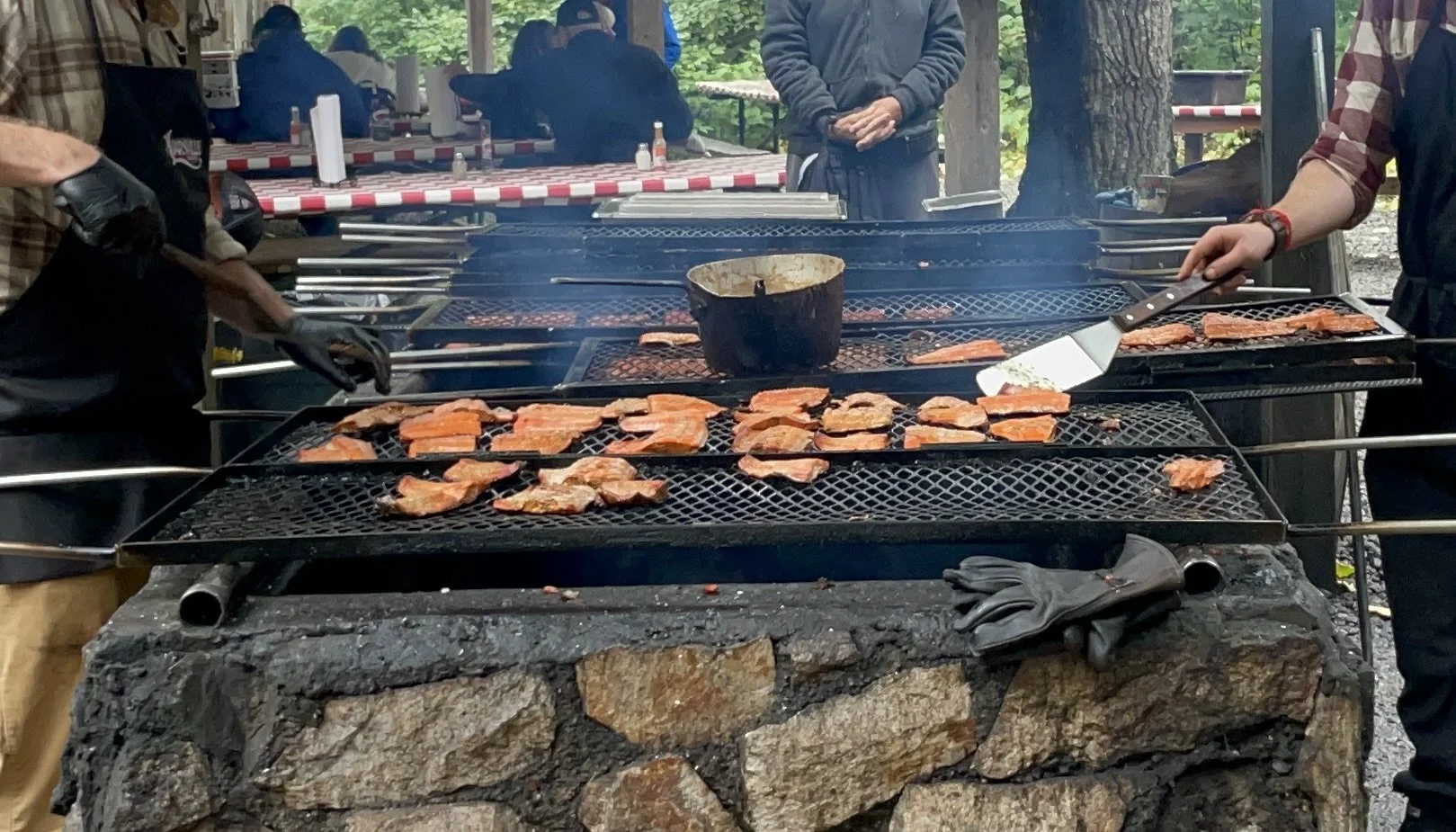
Grilled Salmon in Alaska
Alaska and Hawaii are both separated from the contiguous United States, but their food cultures couldn’t be more different. Alaska’s food traditions are closely connected to its natural environment and the Indigenous communities that have lived there for thousands of years. Seafood is an important part of the state’s cuisine, particularly salmon, halibut, and king crab. If you’re visiting during the summer, fresh seafood is something worth seeking out. Salmon can be prepared in many ways, including smoked, grilled, or roasted, while halibut is often served baked or fried. You might also come across reindeer sausage, particularly at breakfast restaurants and food stands.
Depending on the season, look for desserts made with local berries. Alaska has a variety of northern berries that are used in jams, pies, and other treats. Some traditional Alaska Native foods aren’t commonly sold in restaurants, so the dishes visitors encounter commercially represent only part of the state’s culinary traditions.
Hawaii has one of the most distinctive food cultures in the United States. Native Hawaiian traditions form an important part of the islands’ culinary heritage, while immigration from Japan, China, Korea, the Philippines, Portugal, and elsewhere has helped shape the foods commonly eaten today. Poke is one of Hawaii’s best-known dishes. It’s traditionally made with seasoned pieces of raw fish and can be eaten on its own or served over rice. Another popular meal is the plate lunch. It typically comes with rice, macaroni salad, and a main dish such as teriyaki chicken, kalbi, or chicken katsu.
Then there’s loco moco, a filling dish made with rice, a hamburger patty, a fried egg, and brown gravy. It’s not exactly a light lunch, but it certainly gets the job done. For something sweet, look for malasadas. These Portuguese-influenced fried dough pastries have become a local favorite. They’re often rolled in sugar and sometimes filled with flavored creams. And if you spot butter mochi in a bakery, give it a try. It’s a chewy, buttery dessert made with glutinous rice flour, often with coconut milk. It has a completely different texture from a traditional American cake.
Hawaii is also a place where you can experience Native Hawaiian foods such as poi, made from taro, and laulau, traditionally prepared by wrapping meat or fish in taro leaves and steaming it. Exploring the local food is one of the best ways to appreciate the many cultures that have influenced life on the islands.
Suggested images: Alaska salmon, Hawaiian plate lunch, and butter mochi.
A Few Things to Know Before You Sit Down to Eat
If you’re visiting the United States for the first time, there are a few restaurant customs worth knowing. First, let’s talk about portion sizes. American restaurants have a reputation for serving large meals, and in some places, that reputation is well deserved. You may order a sandwich and discover that it comes with enough fries to feed several people. You don’t have to finish everything on your plate. It’s perfectly normal to ask for a container to take your leftovers with you.
Tipping is another custom that sometimes surprises international visitors. At full-service restaurants, customers commonly leave a tip of around 15 to 20 percent of the pretax bill. In most parts of the United States, sales tax isn’t included in the prices you see on restaurant menus. Instead, it’s added when you receive your bill. So, if a meal is listed at $20, you’ll actually pay a little more once the tax is added.
If you have dietary restrictions, it’s worth asking how dishes are prepared. Some foods that appear vegetarian, such as collard greens, beans, and certain gravies, may contain pork or meat-based stock.
Don’t assume that you need to visit expensive restaurants to experience American food. Some of the most interesting regional specialties are found in neighborhood diners, family-owned bakeries, roadside restaurants, barbecue joints, and food stands and trucks. You may even find that the place with the simplest menu serves the meal you remember most.