Understanding Tipping in the U.S.
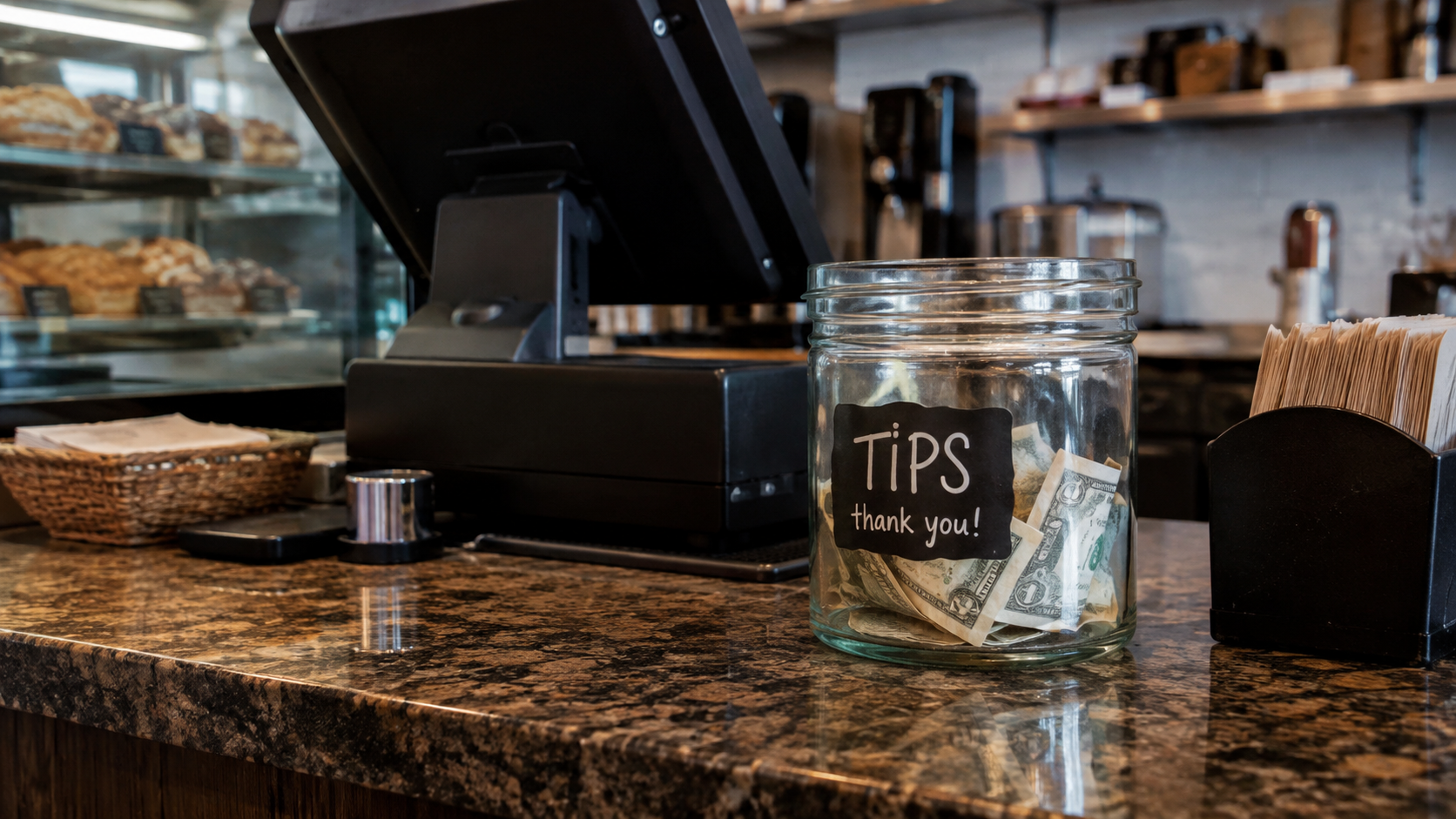
If you’re planning a trip to the United States, you’ve probably heard that Americans tip for everything. While there’s some truth to that, there’s also a bit of nuance. Tipping is expected in some situations, optional in others, and not expected at all in many places. Knowing the difference before your trip will make paying for meals, transportation, and other services much more straightforward.
Depending on where you live, tipping may not be something you think about very often. In some countries, service is already included in the price. In others, employees earn a regular wage, so leaving extra money is simply a nice gesture. The United States works differently. Here, the advertised price often isn’t the final price. Sales tax is usually added at checkout, and if someone has provided you with a personal service, like serving your meal at a restaurant, you’ll generally be expected to leave a tip as well.
The reason for that comes down to how many service workers are paid. In industries like restaurants and hospitality, tips make up a significant portion of many employees’ income. That’s why tipping is considered a normal part of paying for certain services rather than simply a reward for exceptional service.
Why Do Americans Tip?
The American tipping system is tied to how many service workers are paid. Many restaurant servers, bartenders, and other hospitality employees earn a lower hourly wage because tips are expected to make up a significant portion of what they take home.
That’s why most Americans don’t think of tipping as giving someone a reward for doing an exceptional job. Instead, they simply see it as part of paying for the service they received. Whether you agree with the system or not, that’s how it works today.
Restaurants: Where Tipping Matters Most
If you only remember one thing from this article, remember this section.
When you eat at a full-service restaurant where someone seats you, takes your order, brings your food, refills your drinks, and checks on your table, you should plan on leaving a tip.
As a general guideline:
15% – Standard service
18% – Good service
20% or more – Excellent service
When you’re finished eating, your server will bring the bill to your table. If you’re paying with a credit card, they’ll usually take your card, process the payment, and return with a receipt where you can add the tip before signing. Some restaurants now bring a handheld payment device to the table instead, allowing you to choose the tip amount on the screen. If you’re paying with cash, you can simply leave the tip on the table before you leave.
Don’t worry if you’re not good at calculating percentages. Many restaurants print suggested tip amounts directly on the receipt, and most payment terminals will calculate them automatically. If neither of those is available, a quick calculation on your phone is all you need.
Before You Pay
Take a moment to look over your receipt before adding a tip.
Check whether gratuity has already been included, especially if you’re dining with a larger group.
If you see “Gratuity Included” on the bill, you usually don’t need to add another tip unless you’d like to.
If you aren’t sure what a fee is for, just ask. Restaurant staff are used to answering questions from visitors.
What About Coffee Shops and Other Counter Service?
One thing that surprises many visitors is seeing a tip screen pop up when buying a coffee, picking up lunch, or ordering at a bakery. If you’ve heard people talk about “tip fatigue” in the United States, this is usually what they’re referring to.
Over the last several years, many businesses have added tip options to their payment systems, even in places where tipping wasn’t traditionally expected. As a result, you’ll now see tip requests at coffee shops, fast-casual restaurants, food trucks, bakeries, and even some retail businesses.
The important thing to understand is that these situations are different from a full-service restaurant.
If you’re ordering at a counter, picking up your own food, filling your own drink, and cleaning up after yourself, leaving a tip is generally optional. Some people choose to leave one, while many others simply press “No Tip.” Neither choice is considered unusual.
Where tipping is still widely expected is when someone is personally providing you with a service, such as serving your table at a restaurant, driving you somewhere, carrying your luggage, cutting your hair, or leading a tour.
So don’t feel like you have to tip simply because a payment screen asks. Those prompts are everywhere now, and even many Americans choose not to leave a tip in situations where they don’t believe one is expected.
Other Places Where Tipping Is Common
Restaurants aren’t the only places where you may be expected to tip. If someone is providing you with a personal service, tipping is often part of the experience.
Service
Typical Tip
Hotel housekeeping
$2–5 per night
Bellhop
$2–5 per bag
Bartender
$1–2 per drink or about 20%
Taxi, Uber, or Lyft
10–20%
Food delivery
15–20%
Hair stylist or barber
15–20%
Tour guide
10–20%
These aren’t strict rules, and you’ll probably hear different opinions from different Americans. Think of them as general guidelines rather than exact amounts.
Places Where You Normally Don’t Tip
Fortunately, there are also plenty of situations where tipping isn’t expected.
You generally won’t tip at grocery stores, clothing stores, souvenir shops, museum ticket counters, or most fast-food restaurants. Even if a payment screen asks whether you’d like to leave a tip, remember that it’s often giving you the option rather than telling you that you should.
Things That Catch Visitors Off Guard
One of the biggest surprises for many visitors is that sales tax usually isn’t included in the advertised price. If a menu says a meal costs $20, that’s simply the starting price. Sales tax is added when you pay, and then you’ll usually add a tip if you’re dining at a full-service restaurant.
A $20 meal might end up looking something like this:
Meal: $20.00
Sales tax: about $1.50 (varies by state and city)
Tip: about $4.00
Total: About $25.50
Another thing that surprises visitors is that you don’t need cash to tip. Most Americans leave tips with a credit card, so there’s no need to carry a wallet full of small bills.
It’s also worth remembering that a service charge and a tip aren’t always the same thing. Some restaurants add service charges that don’t necessarily replace the tip for your server. If you’re unsure whether you should leave an additional tip, just ask. It’s a perfectly normal question.
A Few Things to Remember
Before your trip, keep these tips in mind:
Budget for sales tax and tipping, not just the menu price.
Always check whether gratuity has already been added to your bill.
Don’t feel obligated to tip every payment screen you see.
You can usually leave a tip with a credit card.
When you’re unsure, ask. People are generally happy to explain.