The Traveler’s Guide to Carnivals Around The World
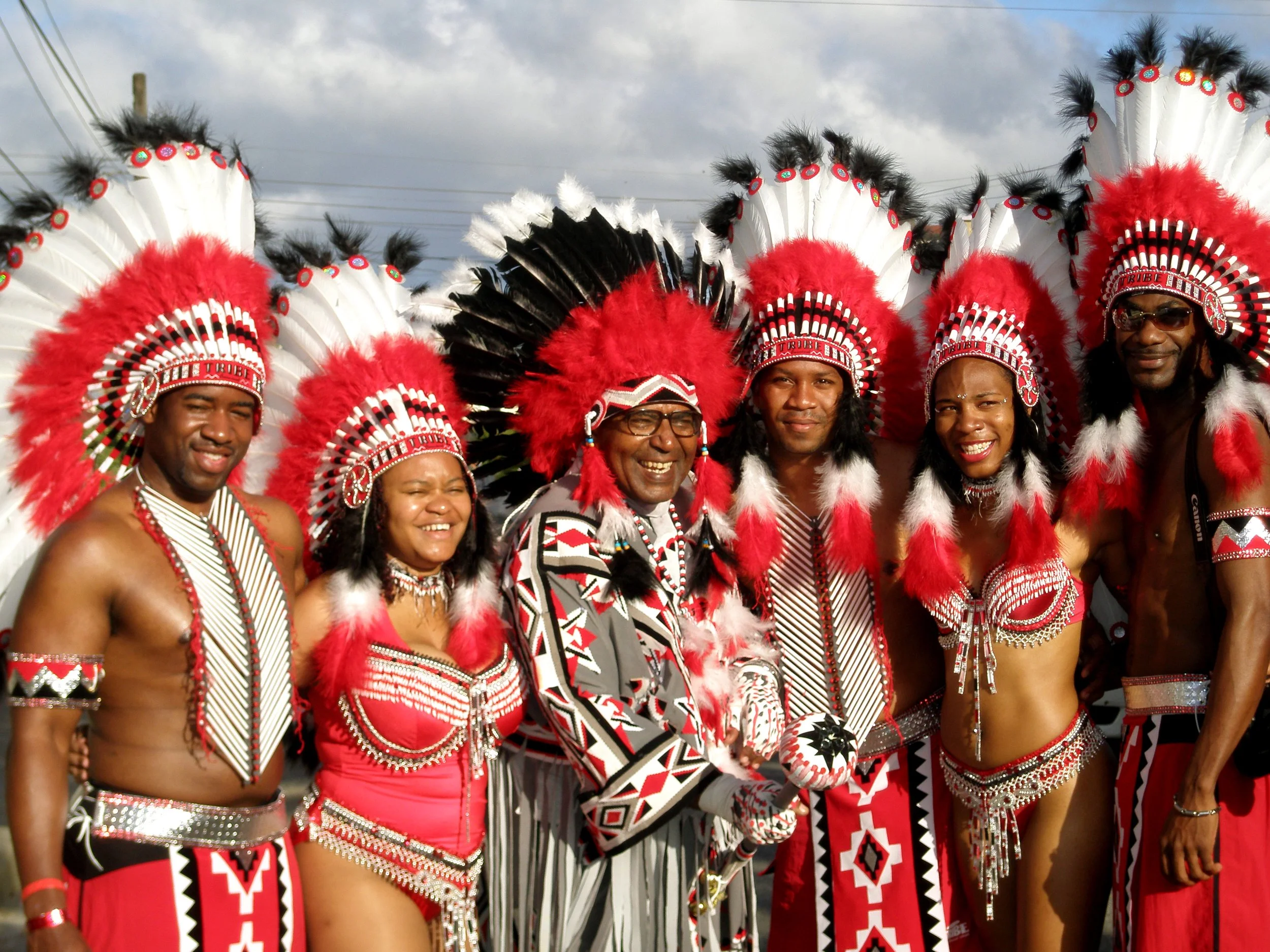
Trinidad carnival
When you say Carnival, most people immediately think of Brazil. Massive parades, elaborate costumes, and dancers in feathers and sequins moving through the streets to samba rhythms are what tend to come to mind. Brazil has absolutely earned its reputation. But it is far from the only place where Carnival lives and breathes.
Carnival is celebrated around the world, always tied to the days leading up to Lent, but expressed differently depending on where you are. In the United States, that celebration often takes the form of Mardi Gras, most famously in New Orleans. Floats roll through the streets, beads fly through the air, and entire neighborhoods turn into moving celebrations.
I have had the opportunity to experience Carnival firsthand in several of these places. I have taken part in large-scale celebrations in New Orleans and Trinidad, and I have also attended smaller local parades in cities like New York and Miami. Each one carries the same spirit, even when the scale changes.
In Trinidad, Carnival announces itself the moment you arrive. I touched down to the sound of soca and steel pan playing in the airport. I listened to the rhythms of Panorama, the country’s steel pan competition, and felt the exhilaration of crossing the stage at the Queen’s Park Savannah. I attended fetes, large Carnival parties that stretch late into the night, and participated in J’ouvert, the early morning celebration that opens Carnival Monday, where revelers take to the streets covered in mud, paint, and powder. On Carnival Tuesday, I played "pretty mas," dancing through the streets in full costume. I danced alongside the music trucks “ the big truck” , chipped down the road in rhythm with the crowd, and wound up on complete strangers as we moved as one under the blazing tropical sun.
In New Orleans, the experience unfolds differently but with the same sense of joy and release. Families gather with food along their favorite parade routes, balconies are draped in purple, green, and gold, and the smell of king cake wafts through the air. Uptempo rhythms unique to New Orleans spill from trumpets and trombones as brass bands move through the streets. I have attended balls, stood along the roadside with my arms stretched upward catching beads tossed from passing floats, and danced in second lines until my cheeks hurt from smiling.
Carnival is not something you fully understand by watching from the outside. It is something you feel in your body, in the heat, the music, the movement, and the crowds. Photos can capture moments, but they cannot capture the experience itself. It is a reminder that no matter where we are in the world, there is a universal human need to cast off our worries, put on a mask (or some mud), and find the rhythm together.
Carnivals Around the World
The magic of Carnival lies in its diversity. While nearly all Carnival celebrations are rooted in the idea of a farewell to meat before Lent, what happens after that shared origin varies widely. Each city takes the same starting point and turns it into something unmistakably its own, shaped by local history, music, politics, and social life.
In some places, Carnival unfolds as a polished performance meant to be watched from the sidelines. In others, it only makes sense once you step into the street and move with the crowd. Costumes might be worn by performers, by participants, or by everyone. The line between spectator and participant can be firm, or it can disappear entirely.
Understanding how Carnival works in each location matters more than people realize. It determines whether you need to plan months in advance or can show up and join in. It affects how you budget, where you stay, and how much of your time is spent watching, dancing, or simply navigating the flow of a city that has temporarily reshaped itself around Carnival.
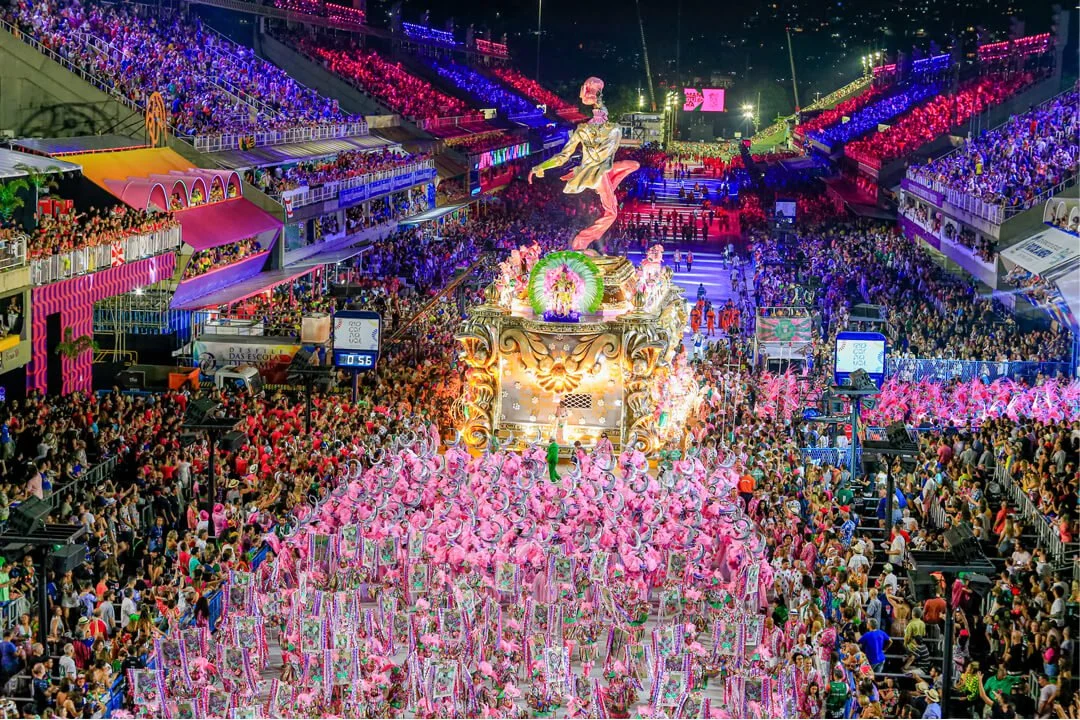
Photo credit: Marco Antonio Teixeira for rio.com
Rio de Janeiro, Brazil
Rio’s Carnival is often considered the most famous in the world, not because it is the most accessible, but because of its scale and precision. While the entire city participates, the centerpiece is the Sambadrome, a purpose built stadium where elite samba schools compete in a highly structured parade.
Each samba school represents a specific neighborhood and spends the entire year preparing for a single performance. The parades are judged on rhythm, harmony, choreography, and visual storytelling. Floats are enormous, costumes are elaborate, and each school is given a strict time window to complete its route. The experience inside the Sambadrome feels less like a street party and more like a live theatrical production.
Participation is possible, but limited. Some samba schools sell a small number of costumes to visitors, allowing them to march as part of the parade. This requires advance planning and a financial commitment. Outside the Sambadrome, participation becomes much more accessible through blocos, informal street parties that take place across the city.
Blocos begin weeks before the official Carnival dates and continue throughout the season. Some are small and neighborhood based. Others attract massive crowds and move slowly through the streets with live bands. Anyone can join simply by following the music, though some blocos sell themed shirts that act as informal entry passes.
Beyond the parades, Carnival in Rio includes samba school rehearsals, which are often open to the public and function as social gatherings with music, food, and dancing late into the night. Clubs, bars, and beachside venues host themed Carnival parties throughout the season, many of which continue well after the Sambadrome parades end in the early morning hours.
To learn more about Carnival in Rio:
https://en.wikipedia.org/wiki/Rio_Carnival
https://www.lonelyplanet.com/articles/rio-carnaval-what-to-know
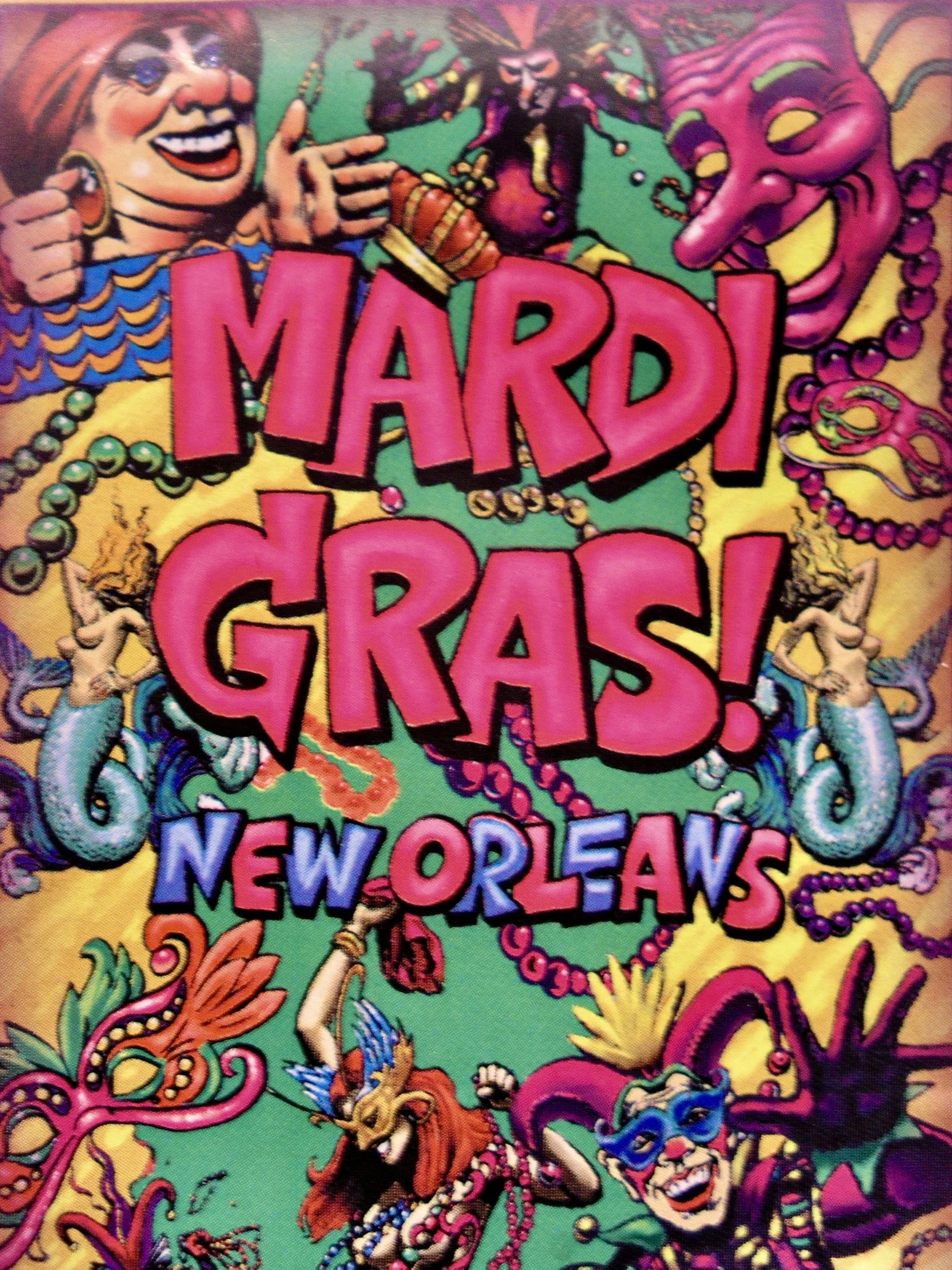
Mardi Gras, New Orleans, Louisiana
Mardi Gras in New Orleans is not a single event but an entire season. Carnival begins in January and builds steadily until Fat Tuesday, when the city effectively shuts down to celebrate. The structure of Mardi Gras is shaped by private social organizations known as krewes, each responsible for organizing parades, balls, and traditions.
Parades roll for weeks along established routes, particularly Uptown along St. Charles Avenue. Each krewe designs its own floats and distributes throws such as beads, doubloons, and specialty items to spectators. Catching throws is central to the experience and shapes how people interact along the parade route.
Direct participation in parades is limited. Riding on a float generally requires membership in a krewe, which is often by invitation and involves annual dues. For most visitors, participation happens from the street. Spectators gather hours in advance, often returning to the same spot year after year, turning parade routes into temporary neighborhoods.
Beyond the parades, Mardi Gras is defined by a dense calendar of balls, neighborhood gatherings, and informal traditions. Krewe balls are formal, invitation only events that include live music and ceremonial presentations. At the street level, families host block parties and front yard gatherings along parade routes.
On Mardi Gras Day itself, costumed walking groups take over neighborhoods such as the Marigny and Bywater. These are not organized parades but organic movements through the streets, with participants stopping at homes, bars, and street corners throughout the day. Live jazz and brass band performances run nightly during the season, particularly in the final weeks.
To learn more about Mardi Gras:
https://www.mardigrasneworleans.com
https://www.neworleans.com/events/holidays-seasonal/mardi-gras
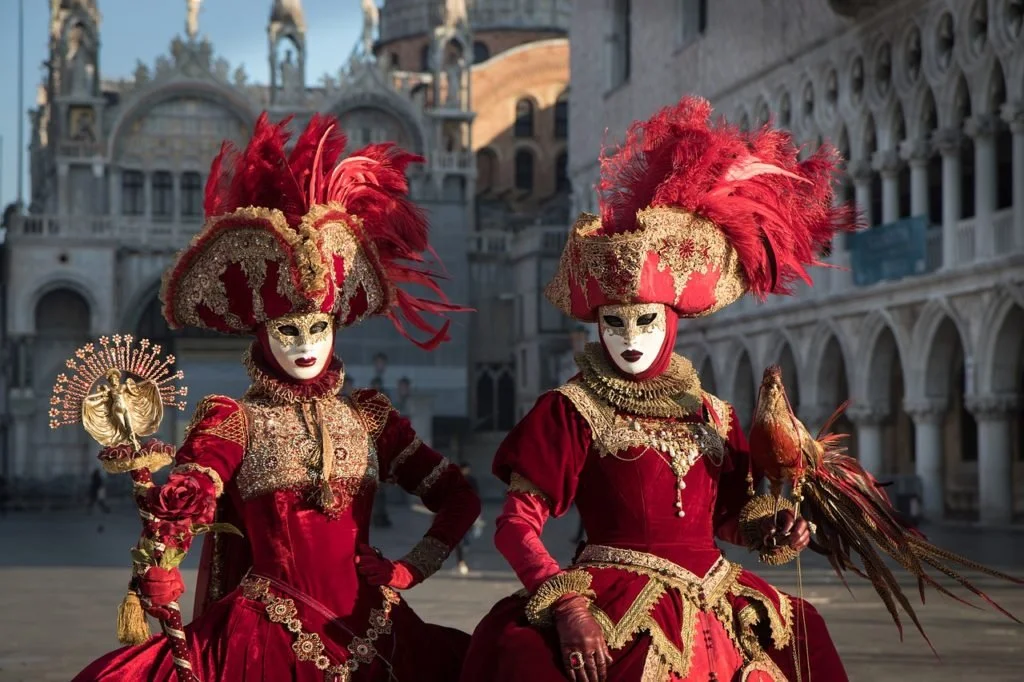
Photo credit: Trafalgar.com
Venice, Italy
Venetian Carnival is quieter and more visual than most other celebrations. Rather than large moving parades, Carnival in Venice centers on public gatherings, staged performances, and social display. The tradition dates back to the Middle Ages, when masks allowed people to move freely across social classes.
Modern Carnival emphasizes historical costume and presentation. St. Mark’s Square becomes the focal point, with masked participants posing, socializing, and being photographed. One of the most well known ceremonial events is the Volo dell’Angelo, where a costumed performer descends from the bell tower into the square below.
Participation in Venice is informal and centered on costuming. Wearing a mask allows visitors to become part of the visual experience without formal registration. Mask contests and public performances are free and open to the public. More exclusive masquerade balls take place in private palaces and require tickets and advance booking.
Beyond the main gatherings, Carnival unfolds through concerts, theatrical performances, and small staged events throughout the city. Socializing often happens in cafés and hotel lounges rather than in the streets, making Venice’s Carnival feel more restrained and observational.
To learn more about Carnival in Venice:
https://www.veneziaunica.it/en/content/carnival-venice
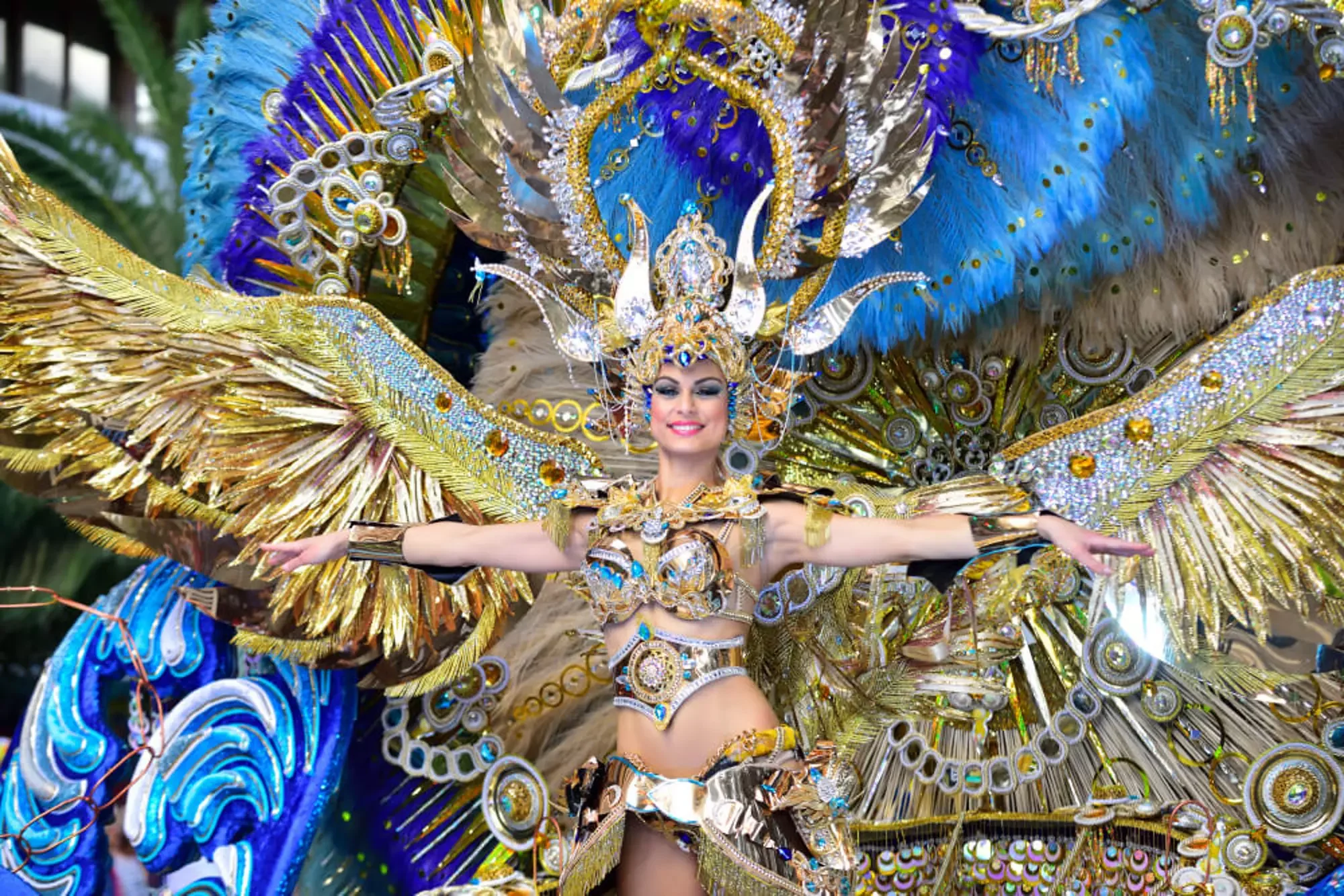
Photo credit: www.barcelo.com
Santa Cruz de Tenerife, Canary Islands, Spain
Tenerife hosts one of the largest Carnival celebrations in the world and is often compared to Rio for its scale, though the atmosphere is more relaxed. The celebration stretches over several weeks and includes a mix of formal competitions, parades, and open street parties.
One of the central events is the Carnival Queen competition, where contestants wear enormous, highly engineered costumes that can weigh hundreds of pounds. Satirical music groups known as Murgas perform comedic songs that critique politics and social issues, drawing enthusiastic local audiences.
Parades in Tenerife are structured but less rigid than in Rio. Floats, performers, and walking groups move through the streets, and visitors are welcome to join many of the celebrations without formal registration. Costumes are widely worn, and participation is encouraged.
Beyond the parades, streets fill with open air parties featuring DJs and live bands that continue late into the night. Daytime events include children’s celebrations and community performances. Carnival officially ends with the Burial of the Sardine, a mock funeral procession in which a giant sardine effigy is paraded through the streets and burned, symbolically closing the season.
To learn more about Carnival in Tenerife:
https://www.webtenerife.com/events/carnival
https://en.wikipedia.org/wiki/Carnival_of_Santa_Cruz_de_Tenerife
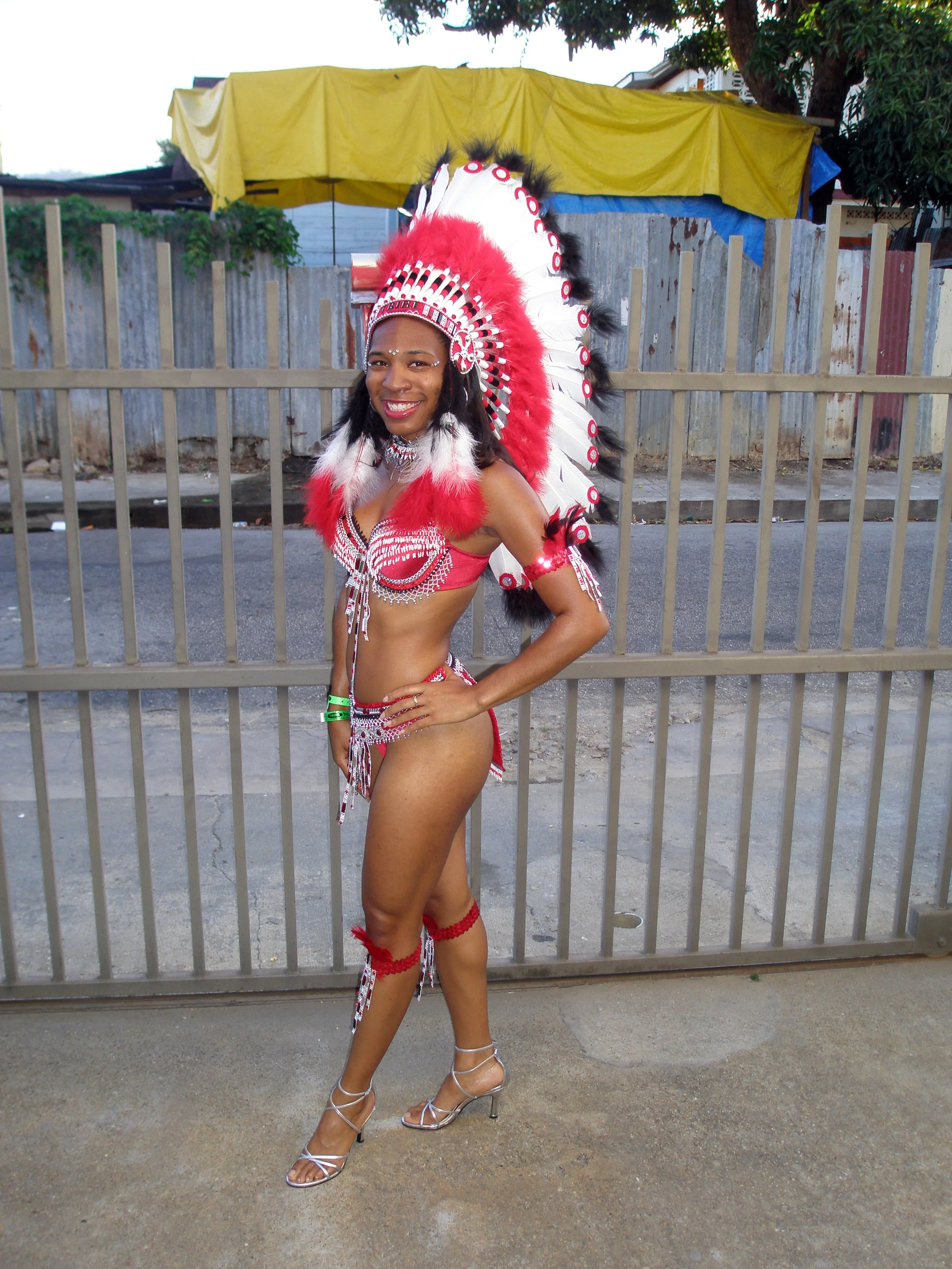
Ready for the Road
Port of Spain, Trinidad and Tobago
Trinidad Carnival is built around participation. Rather than watching from the sidelines, revelers join a band, purchase a costume, and spend hours moving through the streets behind music trucks during Carnival Monday and Tuesday. The celebration has roots in post emancipation traditions and has long been tied to cultural expression and resistance.
The parade structure centers on Mas, where bands follow designated routes while dancing continuously. J’ouvert marks the beginning of Carnival early Monday morning. Starting before sunrise, participants gather covered in mud, paint, oil, or powder and dance through the streets until daylight.
Participation is expected. Visitors register with a band in advance and are fully integrated into the parade. Costumes sell out months ahead of time, and planning is essential.
Carnival season in Trinidad extends well beyond the main days. Fetes, ticketed parties ranging from massive outdoor events to smaller gatherings, take place for weeks leading up to Carnival. Steelpan bands rehearse publicly in pan yards, which function as community gathering spaces with food vendors and informal seating. After Mas ends each day, many participants continue on to bars or private gatherings, extending the celebration late into the night.
To learn more about Carnival in Trinidad:
https://visittrinidad.tt/experience/carnival
https://en.wikipedia.org/wiki/Trinidad_and_Tobago_Carnival
https://www.caribbean-beat.com/trinidad-carnival
Other Carnivals
While many Carnival celebrations are rooted in the Christian calendar, not all Carnivals take place before Lent. In cities shaped by migration and diaspora, Carnival traditions were carried abroad and reimagined to fit new social realities. Dates often align with public holidays or summer weather rather than religious observance, but the core elements remain intact.
Music, costume, parade structure, and participation continue to define these events, making them just as culturally significant as their Lenten counterparts.
Miami Carnival, Miami, Florida, United States
Miami Carnival is a Caribbean style Carnival shaped by the city’s large Caribbean diaspora. Typically held in October, it centers on a main parade featuring Mas bands, elaborate costumes, and music trucks, closely mirroring the structure of Carnivals in Trinidad, Barbados, and Jamaica.
Visitors can participate by joining a band and wearing a costume or attend as spectators along the parade route. Beyond the parade, Miami Carnival includes soca and dancehall concerts, food festivals, and community gatherings across the weekend.
To learn more about Miami Carnival:
https://miamibrowardcarnival.com
https://en.wikipedia.org/wiki/Miami_Carnival
West Indian American Day Carnival, New York City, United States
Held annually on Labor Day in Brooklyn, this is one of the largest Caribbean Carnivals in the world. The parade runs along Eastern Parkway and features Mas bands, steelpan orchestras, and music trucks.
Participation is central. Revelers register with bands, wear costumes, and dance through the route for hours. J’ouvert celebrations begin early in the morning, and the surrounding weekend includes pan competitions, concerts, and neighborhood events.
To learn more about the West Indian American Day Carnival:
https://en.wikipedia.org/wiki/West_Indian_American_Day_Carnival
Toronto Caribbean Carnival (Caribana), Toronto, Ontario, Canada
Held in late July or early August, Caribana began as a celebration of Caribbean culture and independence and has grown into one of the largest festivals of its kind in North America.
The Grand Parade takes place along Toronto’s waterfront and features Mas bands, elaborate costumes, and live music. Weeks of fetes, concerts, cultural showcases, and food festivals surround the main event.
To learn more about Caribana:
https://www.torontocarnival.ca
https://en.wikipedia.org/wiki/Toronto_Caribbean_Carnival
Notting Hill Carnival, London, England
Notting Hill Carnival takes place every August during the UK’s bank holiday weekend and is Europe’s largest street festival. It emerged from Caribbean communities in London as a celebration of culture, resilience, and visibility.
Mas bands, steelpan orchestras, and sound systems spread across the neighborhood. Participation is open, and the distinction between spectator and participant often disappears over the course of the weekend.
To learn more about Notting Hill Carnival:
https://en.wikipedia.org/wiki/Notting_Hill_Carnival
Junkanoo, The Bahamas
Junkanoo is one of the oldest Carnival-style celebrations in the Caribbean, with roots that predate many modern Carnivals. Unlike most Caribbean Carnivals, Junkanoo takes place in late December and early January, with major parades held on Boxing Day and New Year’s Day.
Parades feature large, handmade costumes constructed from cardboard and crepe paper, accompanied by goatskin drums, cowbells, whistles, and horns. Groups compete in categories such as music, costume, and choreography, though the emphasis remains strongly tied to tradition and community pride.
Participation is largely organized through groups that prepare year-round, but visitors are welcome to watch along parade routes, particularly in Nassau. Smaller Junkanoo celebrations also take place on other islands throughout the Bahamas.
To learn more about Junkanoo:
https://www.bahamas.com/culture/junkanoo
https://en.wikipedia.org/wiki/Junkanoo
Spicemas, Grenada
Grenada’s Carnival, known as Spicemas, is typically held in August and is deeply connected to the island’s history, identity, and agricultural heritage. While it follows a Carnival structure similar to Trinidad’s, it has distinct local traditions.
One of the most recognizable elements of Spicemas is Jab Jab, where participants cover themselves in oil, molasses, or paint and dance through the streets during J’ouvert. The celebration also includes Mas bands, calypso and soca competitions, and steelpan performances.
Participation is encouraged, and visitors can join bands or take part in J’ouvert with advance planning. Compared to larger Carnivals, Spicemas feels more intimate, with strong community involvement and easier access for first-time participants.
To learn more about Spicemas:
https://www.puregrenada.com/things-to-do/festivals/spicemas
https://en.wikipedia.org/wiki/Spicemas
Crop Over, Barbados
Crop Over began as a celebration marking the end of the sugar cane harvest and has evolved into one of the Caribbean’s most vibrant festivals. Held from late July through early August, it blends historical tradition with modern Carnival elements.
The season includes calypso and soca competitions, cultural events, and culminates in Grand Kadooment Day, when Mas bands parade through the streets in elaborate costumes. Participation is open, and visitors can join bands or watch from along the route.
Crop Over is known for its balance between large scale celebration and island accessibility, making it a popular entry point for travelers new to Carnival.
To learn more about Crop Over:
https://www.visitbarbados.org/crop-over
https://en.wikipedia.org/wiki/Crop_Over
Carnival Monday and Tuesday, Antigua and Barbuda
Antigua’s Carnival takes place in late July and early August and centers on themes of freedom, emancipation, and national pride. The celebration includes calypso monarch competitions, steelpan performances, and Mas parades.
J’ouvert opens the festivities in the early morning hours, followed by Carnival Monday and Tuesday parades. Participation is encouraged, and the smaller scale of the island makes events easier to navigate than in larger destinations.
To learn more about Antigua Carnival:
https://visitantiguabarbuda.com/antigua-carnival
https://en.wikipedia.org/wiki/Antigua_Carnival
Choosing the Right Carnival
Carnival is not a single experience repeated across the globe. Some celebrations reward careful planning and advance bookings. Others favor spontaneity. Some invite observation. Others demand full physical participation. Knowing how each Carnival functions helps travelers choose a destination that aligns with how they want to experience it.
Whether watching from the sidelines or dancing in the streets, Carnival reflects the culture of the place hosting it. Understanding that context turns Carnival from something you attend into something you actually experience.