



11 Tips For Road Trips
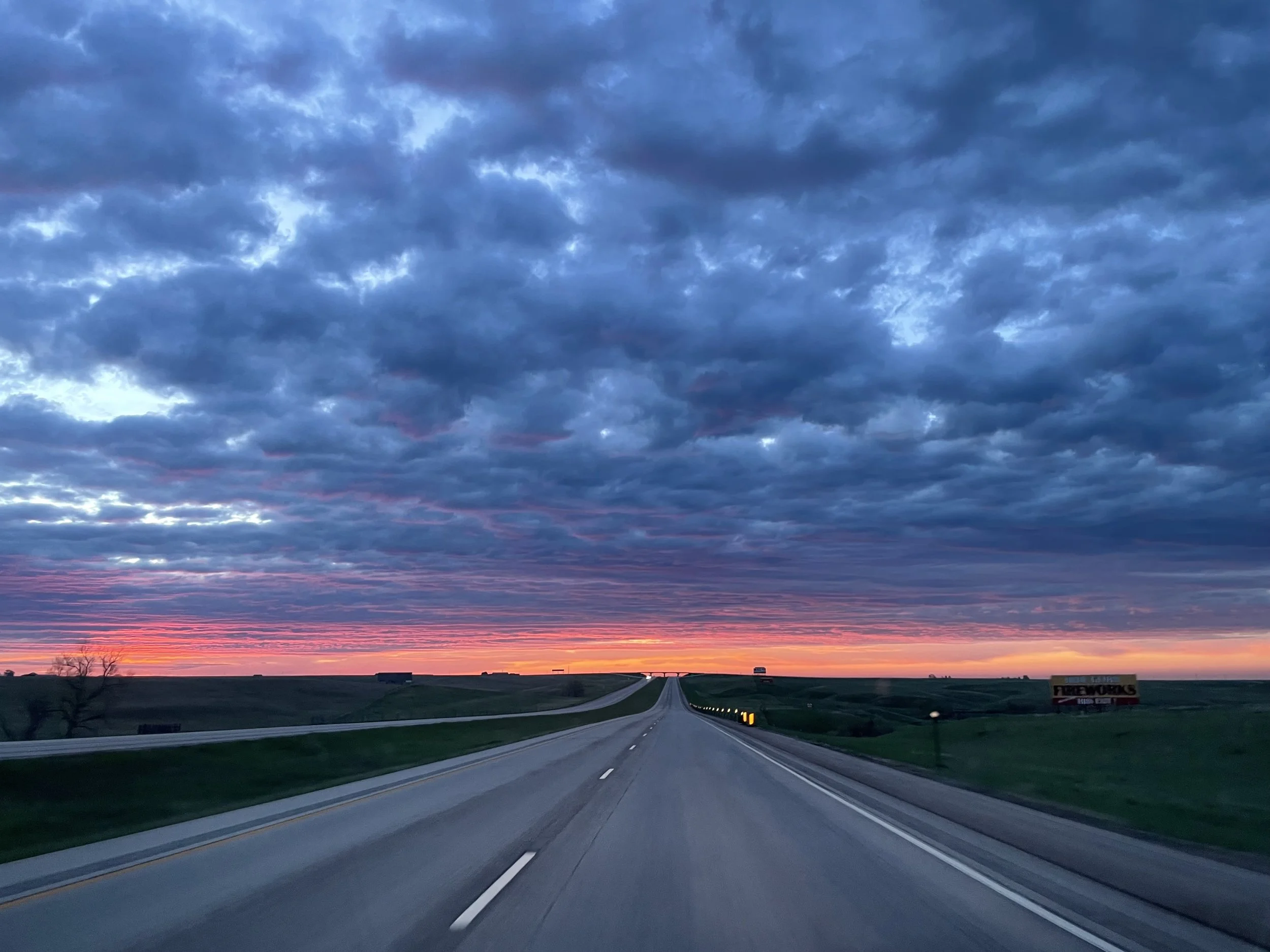
As the weather warms up and the days grow longer, it’s the ideal time to embark on an adventure and explore new destinations. With countless miles and boundless possibilities, it’s time to hit the road. Whether you’re traveling solo, with friends, family, or colleagues, here are some valuable tips to ensure a memorable and budget-friendly trip.
1. Plan Your Route, but Stay Flexible
Use a GPS or map app to plan your general route, but leave room for spontaneity. Some of the best experiences happen when you veer off the main path. Consider adding scenic byways or national parks to your itinerary.
2. Pack Smart
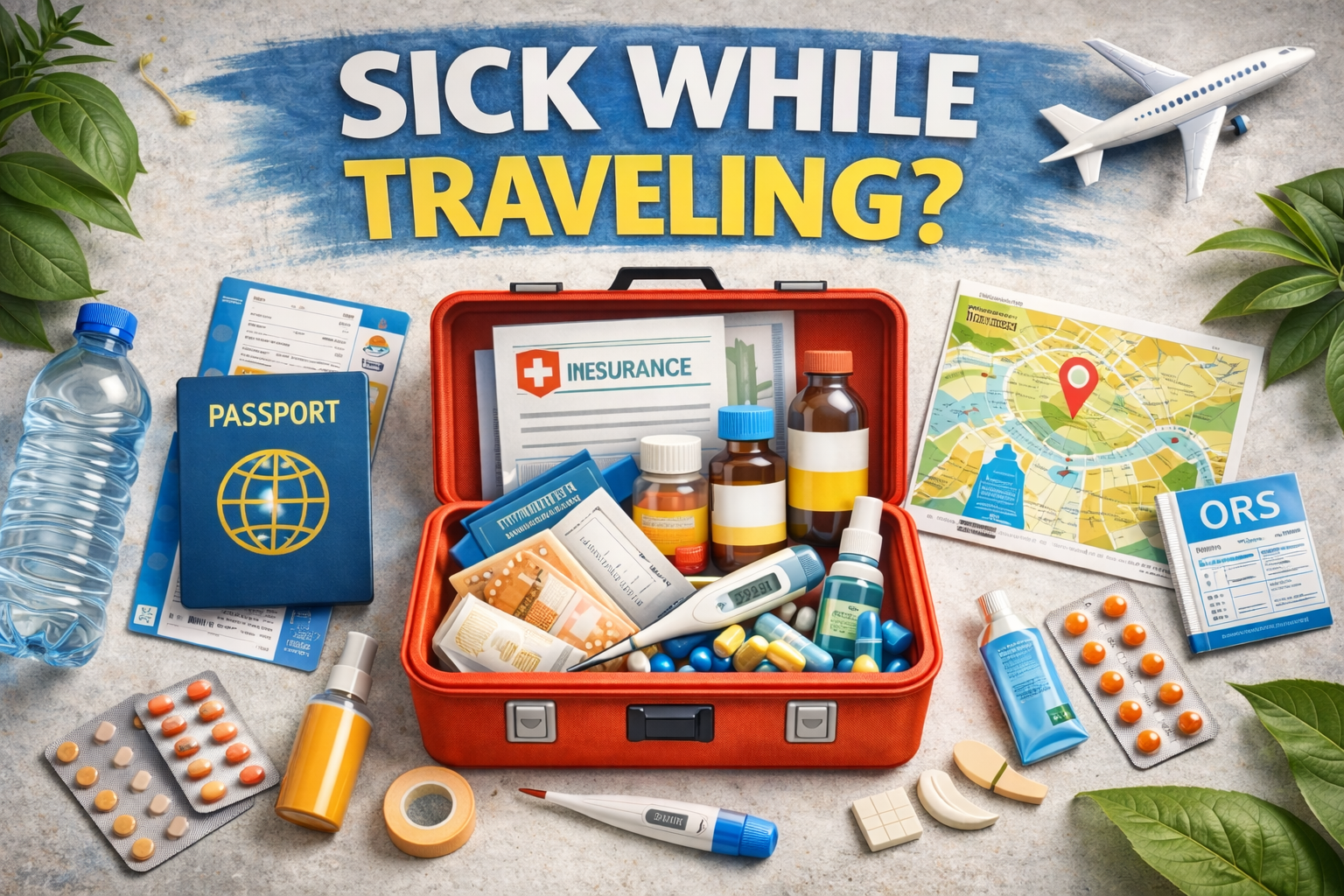
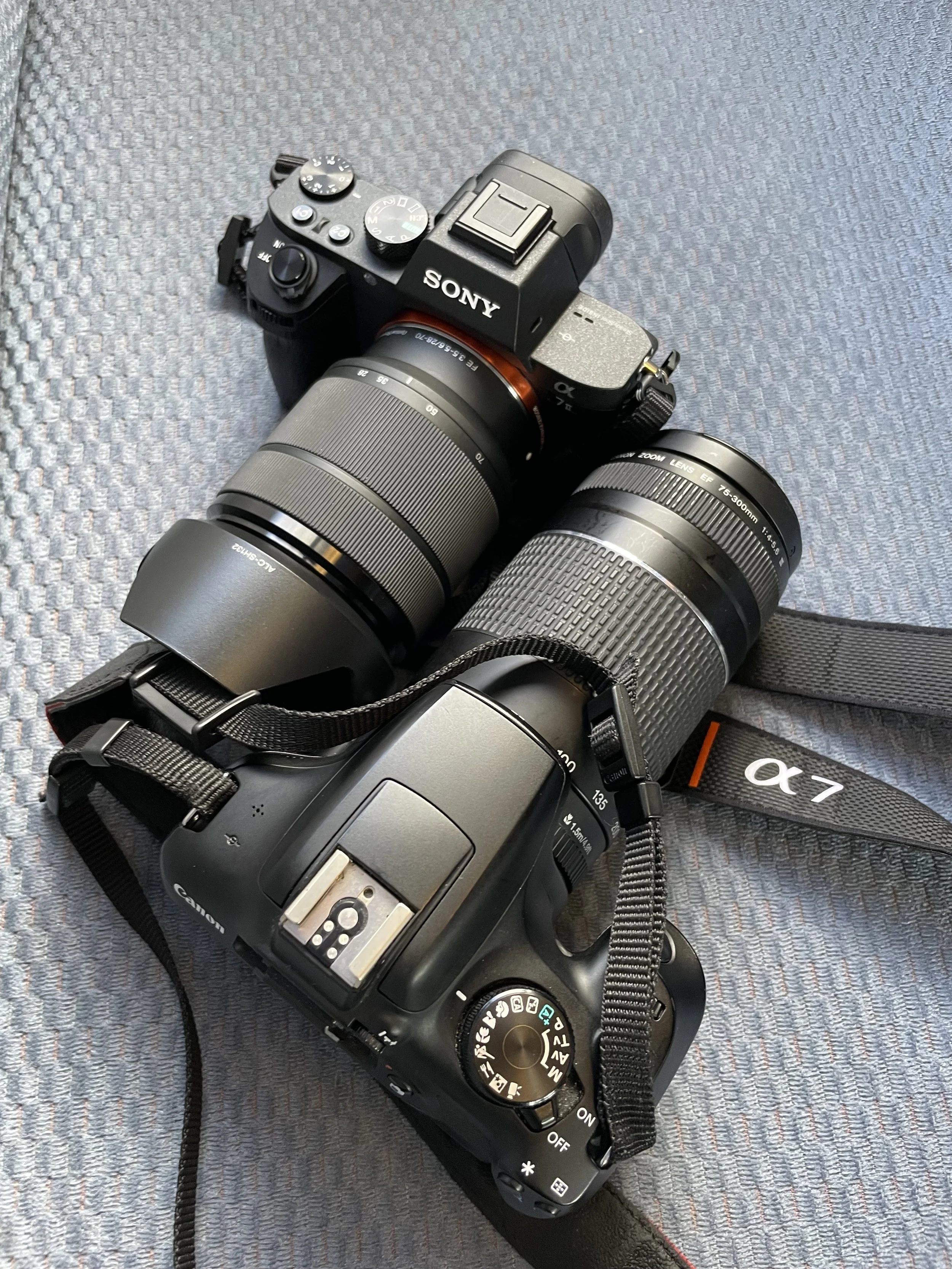
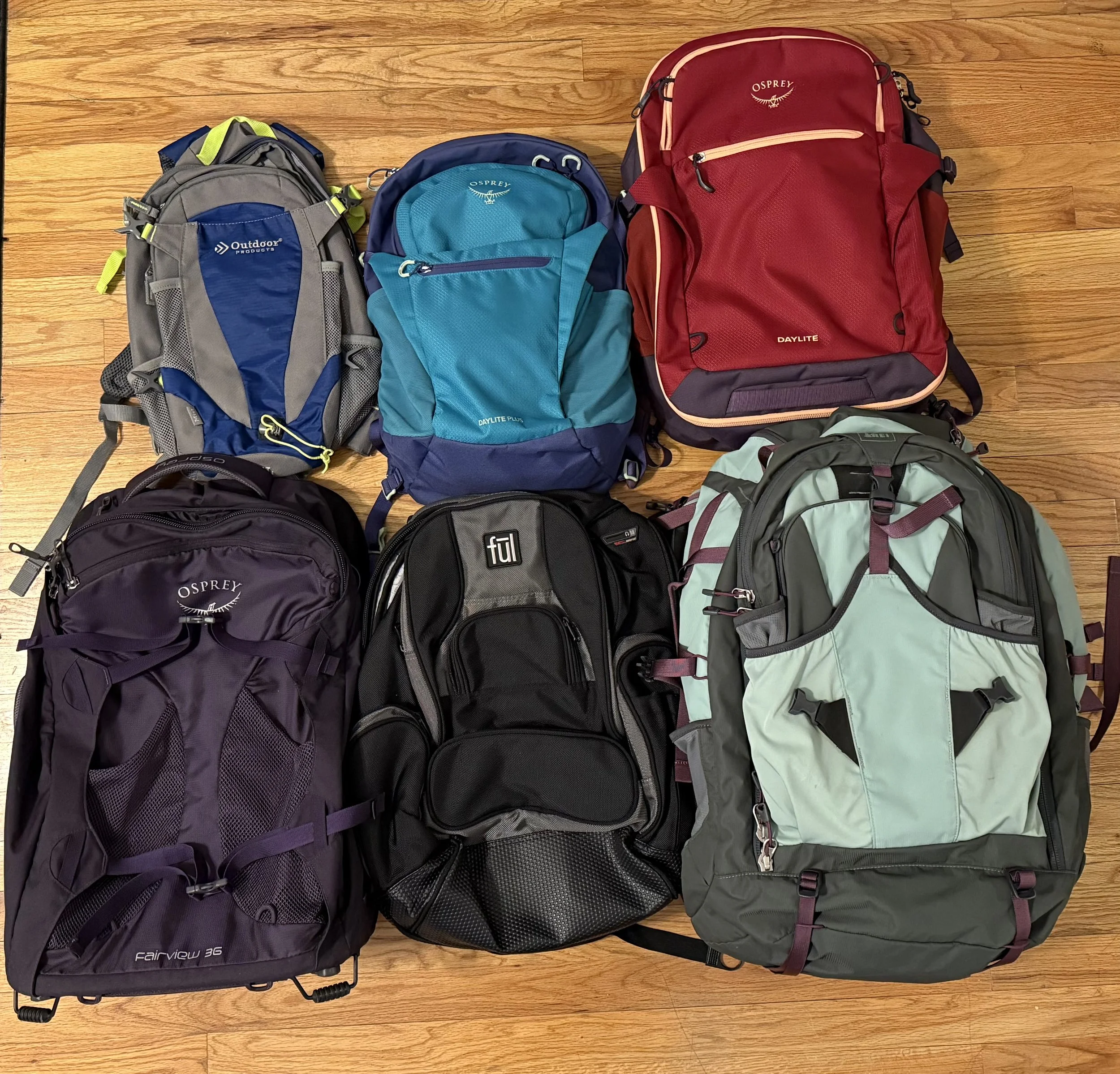
Don’t forget to pack essentials like your phone charger, snacks, water, sunglasses, sunscreen, and any important medications. A small first aid kit is also a good idea. Make sure to pack comfortable clothing and shoes, as you’ll likely be sitting for long stretches. Bring along music playlists, audiobooks, or podcasts to keep things interesting.
3. Car Maintenance
Before hitting the road, make sure your car is in good shape. Check tire pressure, oil, and coolant levels. Make sure your spare tire, jack, and other emergency tools are accessible. Keep an emergency kit in your car with a flashlight, jumper cables, water, and any other tools you might need in an emergency.
4. Stay Well-Fed and Hydrated
Pack snacks like nuts, fruit, and protein bars to keep your energy levels up. Make sure to stop every few hours to stretch your legs and hydrate.
5. Take Breaks and Explore:
- Use rest stops to take quick breaks from driving and recharge.
- Take time to explore small towns or roadside attractions. You might discover hidden gems!
6. Safety First:
- Always wear your seatbelt and ensure passengers do the same.
- Keep an eye on the speed limits and traffic laws of the areas you’re driving through.
- If you start to feel tired, take a break and consider sharing the driving if possible.
7. Use Apps for Convenience:
Apps like GasBuddy can help you find the best gas prices along your route.
8. Find a Place to Stay
- If you don’t have a place booked, use apps like Airbnb or Booking.com to find last-minute options.
- Yelp or Google Reviews are your best friends when it comes to finding the best local spots to eat.
9. Capture the Moments:
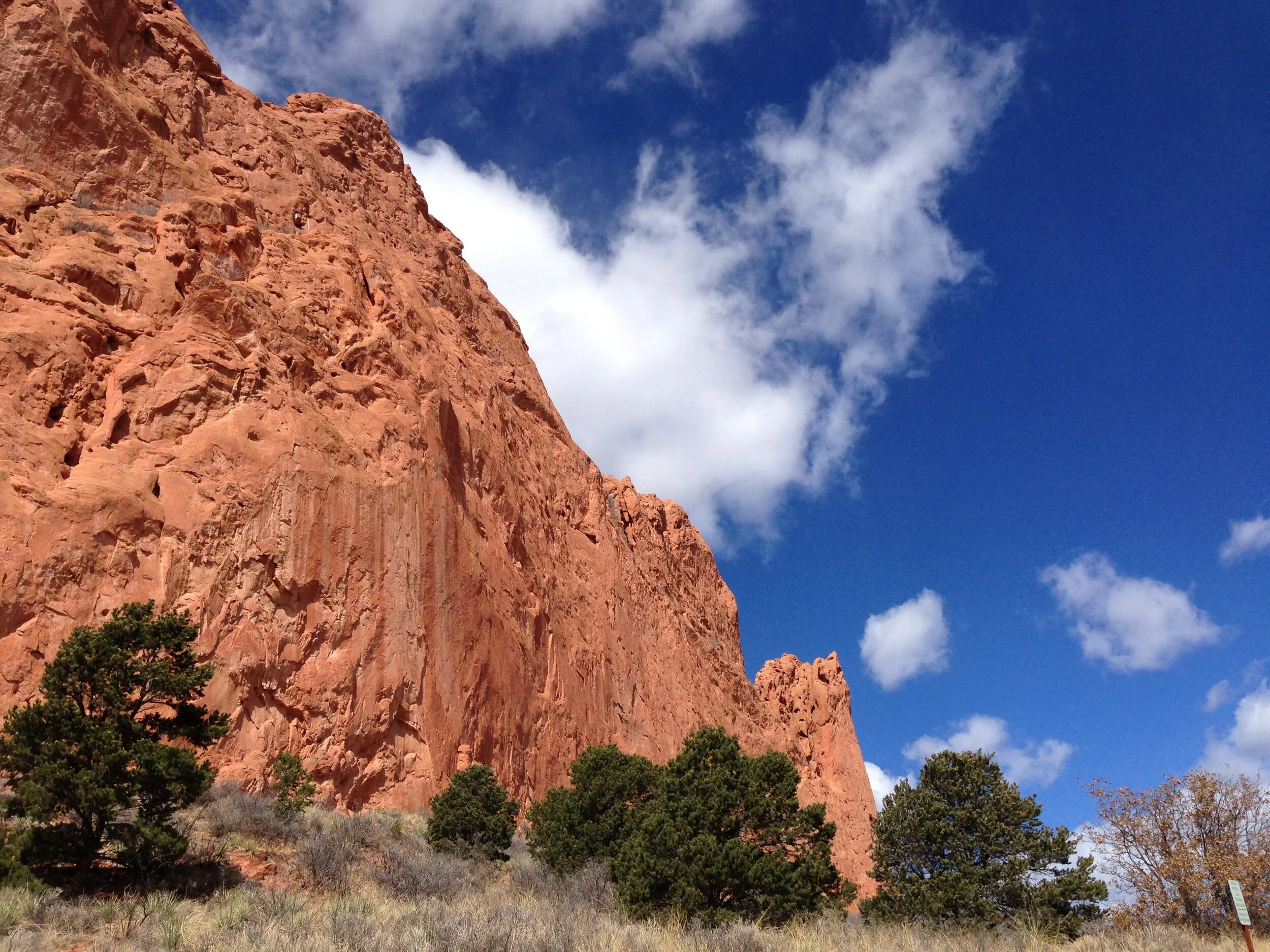
Take pictures of the stunning scenery, quirky landmarks, and fun moments you encounter. It’ll be a treasure trove of memories to look back on.
10. Be Prepared for the Unexpected:
- Check the weather forecast for the areas you’ll be driving through and have a backup plan in case of bad weather (especially for camping).
- Have alternative places to stay in case your first option is booked or doesn’t work out.
11. Embrace the Journey:
Go with the flow. Sometimes, the best moments on a road trip come from spontaneous detours and unexpected encounters. Stay positive and open to new experiences.
You have the POWER! Plugs and Sockets used around the world.
When traveling internationally, understanding the difference between plugs and sockets is crucial for a smooth and hassle-free experience.
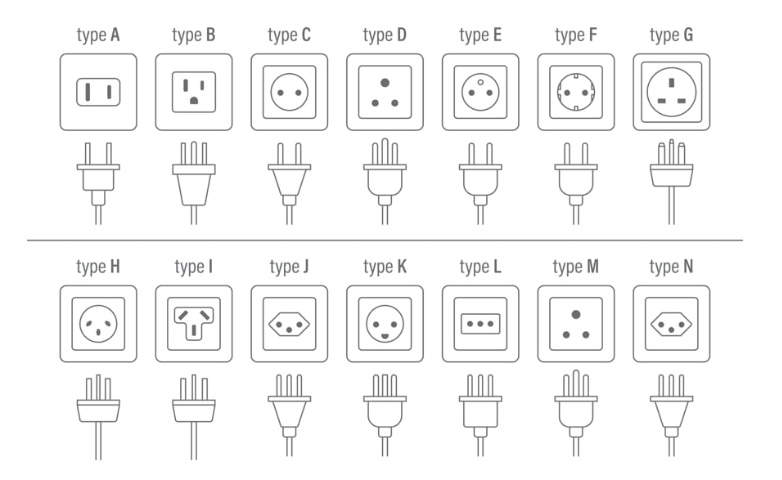
Let’s talk about the plugs. There are 15 types of plugs and sockets that can be found world wide with Types A and C being the are the most common.
Here is a full list of the Plug types and the countries they are used in.
Type A
Used in: North and Central America, Japan, and a few other countries
Plug Description: Two flat parallel pins
Voltage: 100–127V
Frequency: 50/60Hz
Type B
Used in: North and Central America, Japan
Plug Description: Two flat parallel pins and a round grounding pin
Voltage: 100–127V
Frequency: 50/60Hz
Type C
Used in: Europe, South America, Asia (except UK, Ireland), and many other countries
Plug Description: Two round pins
Voltage: 220–240V
Frequency: 50Hz
Type D
Used in: India, Sri Lanka, Nepal, and some other countries
Plug Description: Three round pins (in a triangular pattern)
Voltage: 220–240V
Frequency: 50Hz
Type E
Used in: France, Belgium, Poland, Slovakia, Czech Republic, and some other countries
Plug Description: Two round pins with a hole for the grounding pin
Voltage: 220–240V
Frequency: 50Hz
Type F
Used in: Germany, Austria, Netherlands, Spain, and many other countries in Europe
Plug Description: Two round pins with two grounding clips on the sides
Voltage: 220–240V
Frequency: 50Hz
Type G
Used in: United Kingdom, Ireland, Malta, Malaysia, Singapore, and some other countries
Plug Description: Three rectangular pins (larger ground pin)
Voltage: 220–240V
Frequency: 50Hz
Type H
Used in: Israel, the West Bank, and the Gaza Strip
Plug Description: Three round pins in a triangular pattern
Voltage: 220–240V
Frequency: 50Hz
Type I
Used in: Australia, New Zealand, Papua New Guinea, China, and Argentina
Plug Description: Two flat angled pins with a grounding pin
Voltage: 220–240V
Frequency: 50Hz
Type J
Used in: Switzerland and Liechtenstein
Plug Description: Three round pins, with a grounding pin
Voltage: 220–240V
Frequency: 50Hz
Type K
Used in: Denmark and Greenland
Plug Description: Two round pins and a grounding pin
Voltage: 220–240V
Frequency: 50Hz
Type L
Used in: Italy, Chile, and a few other countries
Plug Description: Three round pins in a straight line
Voltage: 220–240V
Frequency: 50Hz
Type M
Used in: South Africa, Swaziland, Lesotho, and a few other countries
Plug Description: Three round pins, larger than Type D
Voltage: 220–240V
Frequency: 50Hz
Type N
Used in: Brazil
Plug Description: Two round pins and a grounding pin
Voltage: 100–127V or 220–240V
Frequency: 50Hz
Type O
Used in: Thailand
Plug Description: Three round pins
Voltage: 220V
Frequency: 50Hz
Where can You buy an adapter?
1. Online Retailers
2. Electronics Stores
3. Airport Stores
4. Travel Specialty Stores
5. Pharmacies and Drugstores
6. Supermarkets
7. Local Shops in Your Travel Destination
8. Travel Websites
Tips for Buying:
Check Compatibility: Before purchasing, ensure the adapter supports the plug types and voltage requirements of the countries you're visiting.
Universal Adapters: Consider investing in a universal plug adapter. These adapters can be used in multiple countries, offering flexibility for future trips.
The Where’s Why’s What’s and How’s of Travel. Questions to Ask When Planning Your Next Adventure.
Every time I start planning a trip, whether it’s a weekend escape or a passport-stamping kind of adventure, I come back to the same questions. Not because I love overthinking (okay, maybe a little), but because travel is more than just booking a flight and hoping for the best.
It’s about being intentional. About knowing what kind of experience I want to have, how I want to move through a place, and what I need to feel comfortable, curious, and open while I’m there.
This isn’t a checklist for the sake of being prepared (though that’s helpful too). It’s a way to pause and plan with purpose. These are the questions I ask myself before every trip, and honestly, they’ve saved me more times than I can count.
If you’re planning your first trip, or just trying to be more mindful about your next one, this list is a good place to start.
1. Where do I want to go?
Start with your destination. It could be a country you’ve always dreamed of, a city you saw in a movie, or somewhere you randomly landed on while scrolling Instagram. Narrow it down based on interests, beaches, mountains, culture, history, food, or maybe just the vibes.
2. Why do I want to go there?
Ask yourself what’s pulling you to this place. Is it curiosity? Relaxation? A cultural festival? Tracing family roots? Your motivation will shape how you plan and what you prioritize once you arrive.
3. What do I want to do and see?
Make a loose list of must-sees, bucket list activities, and experiences. Think museums, local hikes, street food, markets, temples, beaches, or even just places to sit and people-watch. This helps with itinerary structure and pacing.
4. How do I plan to get there?
Will you fly, take a train, drive, or cruise? Consider travel time, costs, and layovers. If it’s international, compare airlines and see if budget carriers or regional options can save you money.
5. Where am I going to stay once I arrive?
Hostels, hotels, vacation rentals, homestays, or eco-lodges, all come with different price points and vibes. Choose based on location, safety, reviews, and your preferred level of comfort.
6. What experience am I looking to have?
Is this a cultural deep-dive, a luxury getaway, a nature escape, or a food-focused adventure? Identifying this early will help set a tone for your planning (and your expectations).
7. How am I going to fund my trip?
Budgeting isn’t glamorous, but it’s necessary. Break down your expected costs: flights, accommodations, food, excursions, local transport, and extras. Set a savings goal and track your spending.
8. What tours or excursions do I want to go on?
Research local experiences: guided hikes, cooking classes, walking tours, or wildlife safaris. Booking some in advance can save you money, and ensure availability, especially during high season.
9. What’s the culture of the place?
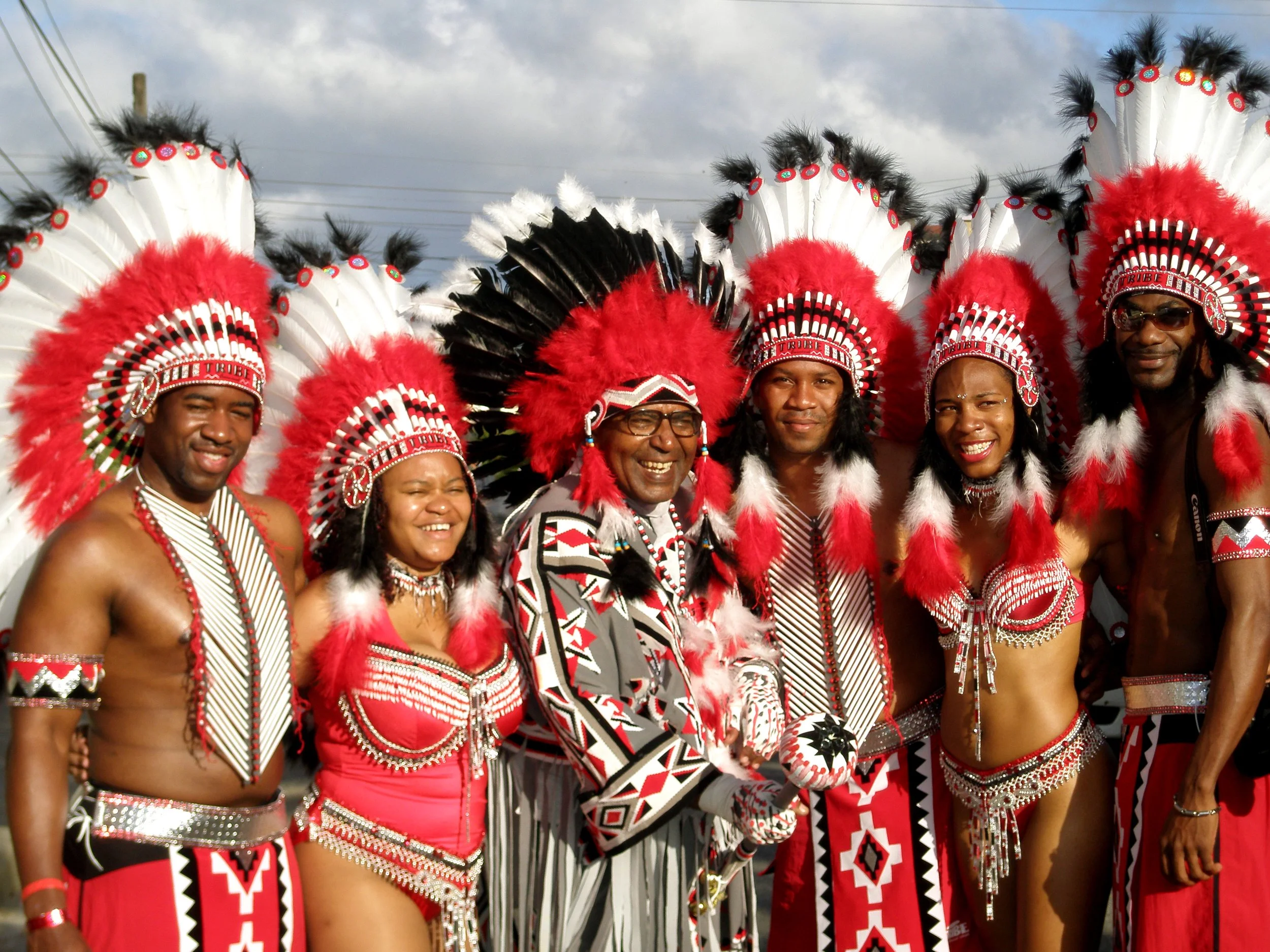
Understanding a place’s customs, values, and traditions will enrich your experience. It also helps you travel respectfully and avoid unintentionally offending locals.
10. How will I get around?
Will you rent a car, use public transit, bike, or rely on rideshares and taxis? Some destinations are walkable, others are not. Know what’s available and how it works.
11. Do I know anyone where I’m going?
Old friend? Distant relative? Fellow traveler you met last year? Reach out. Local connections can provide insider tips, company, or even a couch to crash on.
12. How will I navigate language barriers?
Learn a few key phrases. Download offline translation apps. Carry a phrasebook if needed. Most places appreciate the effort, even if it’s not perfect.
13. What’s the political climate of the location?
Stay informed. Check travel advisories and understand any current unrest, protests, or election periods. It’s not just about safety, it’s also about being aware and respectful.
14. How long do I want to stay?
Your timeline affects your pace. Are you hitting a place for a weekend or settling in for a few weeks? Consider visa durations and how much time you need to explore without feeling rushed.
15. How do I plan on staying in touch with friends and family?
Wi-Fi, international SIM cards, roaming plans, or messaging apps like WhatsApp, have a system. Especially important if you’re traveling solo.
16. Will I have access to the internet if needed?
Check if your accommodations and local cafés have free Wi-Fi. In more remote areas, you may need to buy a hotspot or a local SIM card with data.
17. What’s the temperature and climate like?
Don’t get caught packing shorts in monsoon season or sweaters in a heatwave. Look up average temps, seasonal weather patterns, and how it might affect your plans (e.g., closed roads, flooded trails).
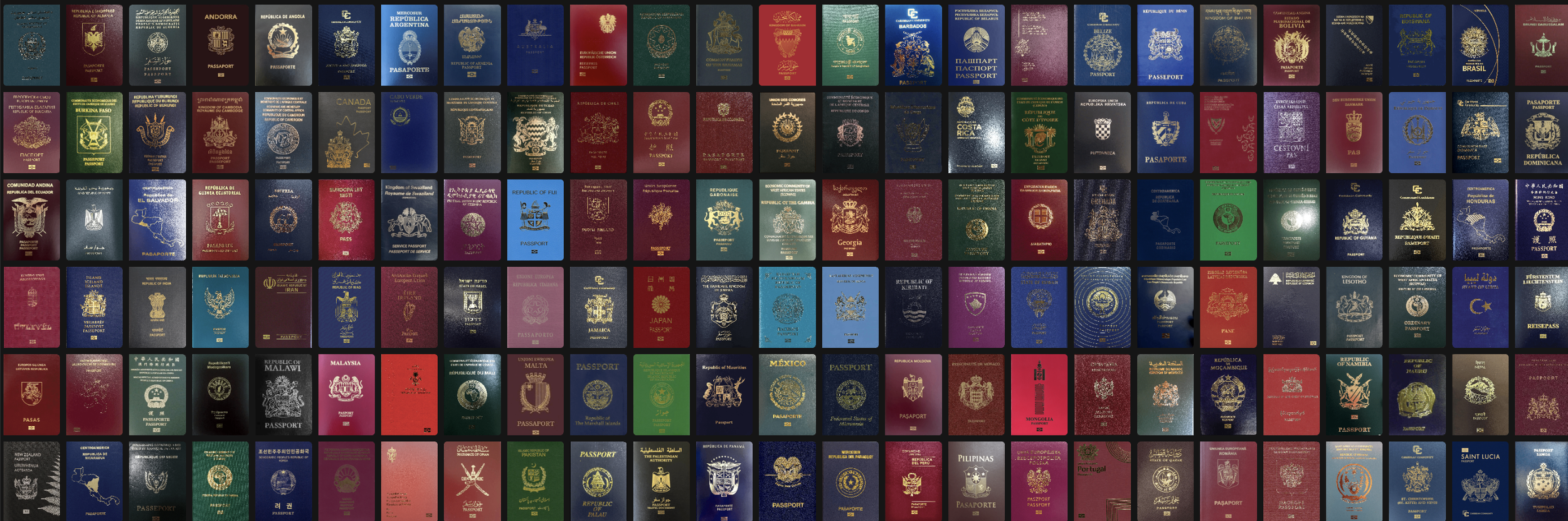
18. Do I need a passport?
If you’re leaving the country, the answer is almost always yes—and it should be valid for at least six months beyond your return date. Some domestic travel (like cruises) may also require one.
19. What, if any, visas or vaccinations are required?
Check official government travel sites. Some visas are issued on arrival; others require months of planning. Vaccination requirements vary, especially post-pandemic and for tropical destinations.
20. What medical facilities are available?
Know where the nearest clinic or hospital is, especially if you have health concerns. Travel insurance with medical coverage is highly recommended for international travel.
21. Who, if anyone, will be my travel companions?
Solo, with friends, a group tour? Your companions influence your pace, lodging choices, and even the mood of the trip. Be clear about expectations and communication.
22. What time of year do I plan on traveling?
Seasons affect everything: prices, weather, crowds. Shoulder seasons (between peak and low) often offer the best of all worlds—fewer tourists, better deals, and decent weather.
23. Should I get travel insurance?
Yes. It’s often inexpensive and can be a lifesaver if you run into delays, cancellations, lost baggage, or medical emergencies. Always read the fine print.
24. How should I pack?
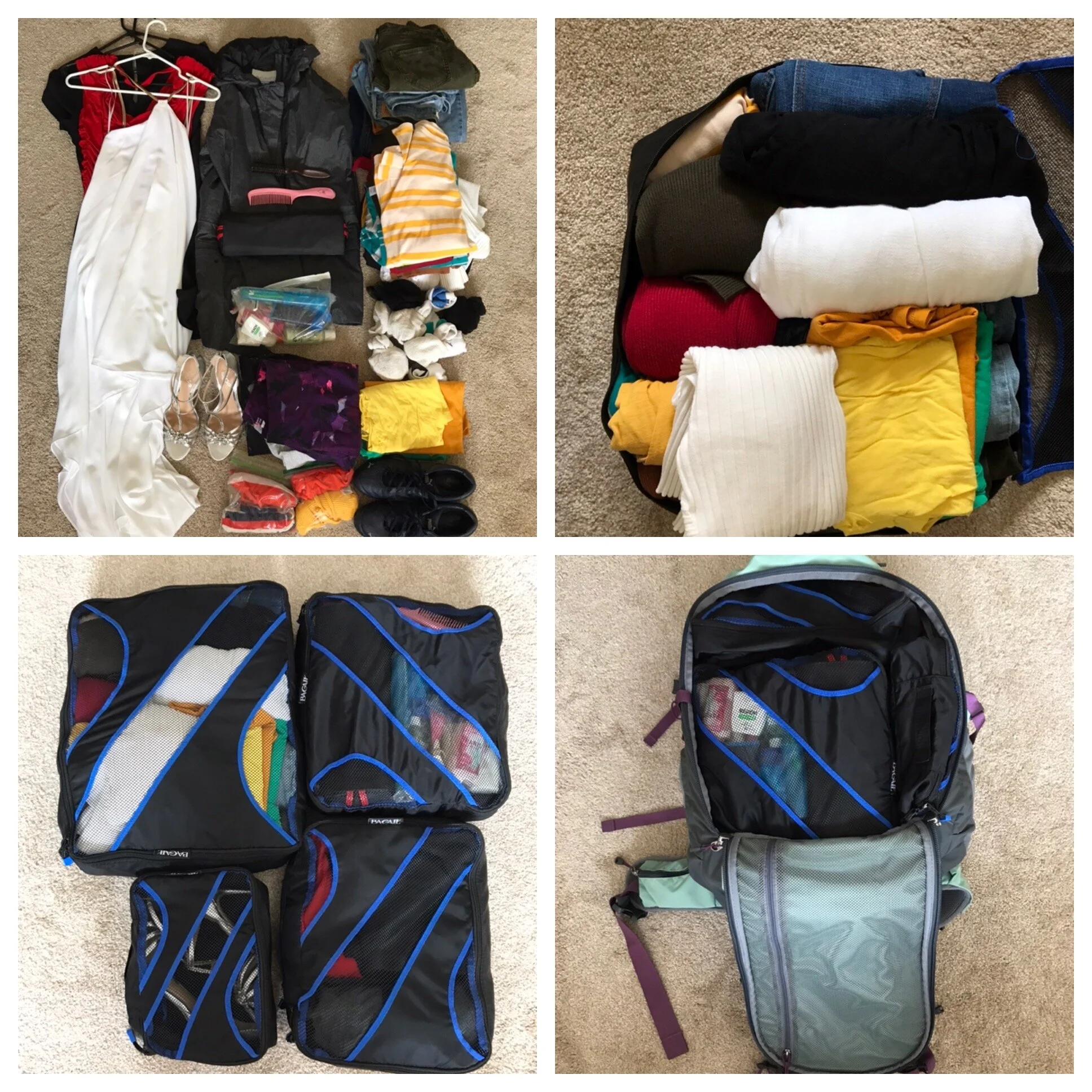
Pack smart, not heavy. Consider the climate, activities, and local customs. Choose versatile clothing, and don’t forget adapters, chargers, meds, and toiletries.
25. What necessities should I bring?
Passport, IDs, medications, snacks, water bottle, sunscreen, phone and charger, power bank, copies of important documents, and a good day bag. Think of things you’ll use every day, and don’t assume you can always buy them there.
26. What is the local currency and what is the exchange rate?
Know what things cost and how much your money is worth. Apps like XE Currency can help you convert on the go.
27. What forms of currency should I bring? Cash, credit cards, or both?
Both. Some places are still cash-based (especially rural areas or street vendors), while others are fully digital. Inform your bank of your travel dates to avoid card blocks.
28. Who will be my emergency contact should something happen?
Choose someone reliable, and make sure they know your itinerary. Share copies of your ID, insurance info, and flight details with them just in case.
29. What are some of the local practices and customs I should be aware of?
Research tipping etiquette, religious norms, greetings, gestures, and what’s considered rude. Small things go a long way in showing cultural respect.
30. What style of dress is appropriate for the intended location?
Beyond climate, think about cultural norms. In some places, modest dress is expected—especially at religious sites. Pack accordingly to avoid unwanted attention or disrespect.
31. Where is my nation’s embassy within the foreign nation?
Know where it is and how to contact them. They’re your first line of help if you lose your passport, get into legal trouble, or face an emergency abroad.
32. How do I safely store my travel documents?
Make digital copies of your passport, ID, and key documents. Store them in secure cloud storage and keep physical copies separate from originals. A money belt or locked luggage can help, too.
Travel planning doesn’t have to be overwhelming, but it should be intentional. The more you think through ahead of time, the more space you leave for spontaneity once you’re there. These questions aren’t about perfection; they’re about preparation. About knowing yourself, your limits, your interests, and what kind of adventure actually sounds fun to you.
So use this list. Tweak it. Add to it. Come back to it when you’re planning your next big thing, or your next quiet getaway. Wherever you’re headed, I hope it’s somewhere that feels right. And if you’re not quite sure where that is yet, these questions might help you figure it out.