






Packing Tips for Travel: How to Pack Smart for Any Trip
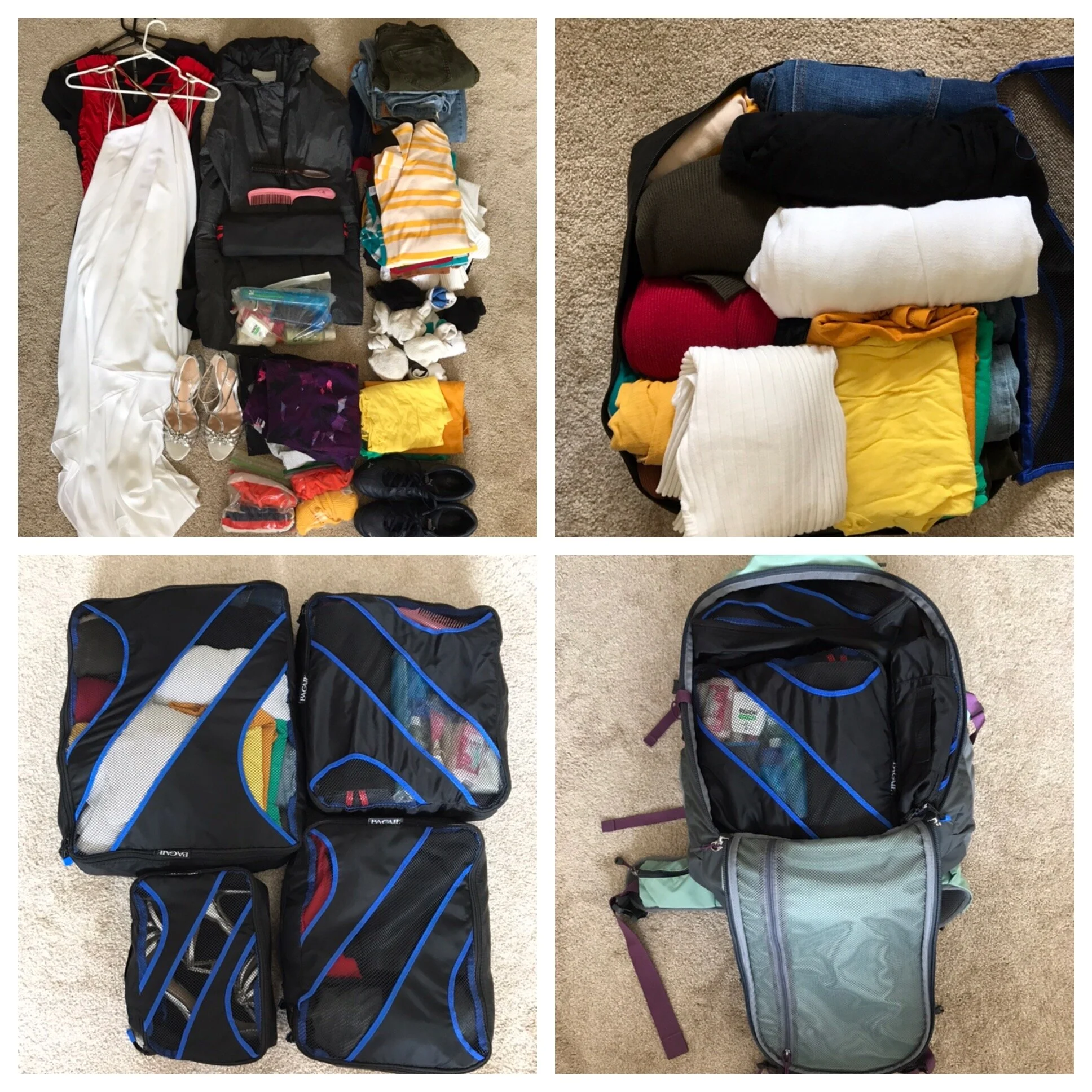
When it comes to travel, I’m known for packing light. I stick to one carry-on bag and a backpack, nothing more, nothing less. Limited space forces me to pack efficiently, ensuring I have everything I need without the burden of excess luggage. My backpack holds essentials I want to access at a moment’s notice, while my carry-on stores clothes, shoes, and other necessities.
One of my must-haves? A compact day bag tucked inside my carry-on. You never know when you’ll need an extra bag for spontaneous outings or unexpected purchases.
Traveling light isn’t just about convenience, it’s about flexibility. Whether I’m sprinting through an airport to catch a connection or navigating unexpected itinerary changes, having fewer bags makes it easy to adapt. I never stress about lost luggage or delayed baggage because everything I need is always with me.
Packing Essentials: How to Travel Light
To pack efficiently, strategy is key. Here are my top tips for keeping your luggage light while ensuring you have everything you need:
Make a Packing List – Avoid overpacking and ensure you don’t forget important items.
Choose Versatile Clothing – Opt for neutral-colored, mix-and-match outfits suitable for various occasions.
Use Packing Cubes – These help compress clothes and keep everything organized.
Roll Your Clothes – Rolling saves space and prevents wrinkles.
Limit Shoes – One pair of comfortable walking shoes and one dressier option are usually enough.
Minimize Toiletries – Travel-size bottles and multi-use products save space.
Wear Bulky Items – If bringing a jacket or boots, wear them during transit to free up space in your bag.
Keep Essentials in Your Backpack – Store items like your passport, phone, charger, and snacks for easy access.
Keep in mind, not all trips are the same! Here are packing strategies tailored to different types of travel:
Day Trips: Pack Smart, Keep It Light
Whether you’re exploring a new city, hiking, or spending the day at the beach, packing smart ensures you’re prepared without being weighed down.
Choose the Right Bag – A lightweight backpack or crossbody bag with secure compartments is ideal.
Carry Only the Essentials – Bring just your wallet, ID, and necessary cards.
Phone & Charger – Stay connected with a fully charged phone and a portable charger.
Sunglasses & Sunscreen – Protect yourself from sun exposure.
Reusable Water Bottle – Stay hydrated without relying on plastic bottles.
Snacks – Pack energy bars or fruit for quick fuel.
Activity-Specific Packing Tips
City Tours – Bring a small notebook, guidebook, or digital map.
Hiking – Pack bug spray, a mini first-aid kit, and an extra layer.
Beach Day – Don’t forget a swimsuit, towel, flip-flops, and a waterproof bag for wet items.
Weekend Getaways: Pack Light, Travel Smart
For a short trip, a small suitcase or backpack is all you need.
Stick to a Carry-On – No checked bags mean faster airport time.
Pack Versatile Clothing – Stick to neutral tones for easy mix-and-match.
Limit Shoes – A comfortable pair plus a dressier option is enough.
Use Travel-Sized Toiletries – Only bring the essentials.
Roll, Don’t Fold – Maximize space and minimize wrinkles.
Business Trips: Pack for Professionalism
Wrinkle-Free Clothing – Choose fabrics that resist wrinkles to stay sharp.
Pack a Blazer – A well-chosen blazer instantly elevates any outfit.
Keep Accessories Organized – Use a pouch for tech gadgets, chargers, and office supplies.
Shoes Matter – One pair of professional shoes that match all outfits is enough.
Document Essentials – Keep passports, IDs, and work documents in an easily accessible folder.
Adventure Travel: Be Ready for Anything
Use a Durable Backpack – A sturdy, water-resistant bag is better than a suitcase for rugged travel.
Layer Up – Pack moisture-wicking and weatherproof clothing.
Bring Compact Gear – A lightweight sleeping bag, portable charger, reusable water bottle, and snacks, are must-haves.
Pack a First-Aid Kit – Always carry band-aids, pain relievers, and any essential medications.
Wear Multi-Purpose Shoes – Opt for hiking shoes that handle different terrains.
Family Vacations: Stay Organized
Use Packing Cubes – Keep clothes separated for each family member.
Pack Essentials in a Carry-On – Bring a change of clothes, snacks, and entertainment for kids.
Make a Checklist – Ensure key items like medications and chargers aren’t forgotten.
Share Toiletries – Avoid overpacking by using shared hygiene products.
Entertainment Items – Books, snacks, games, and tablets keep kids occupied during travel.
International Travel: Plan for the Long Haul
Check Baggage Rules – Different airlines have varying baggage policies from weight to price so be sure verify details.
Bring Power Adapters – Ensure you have the right plugs for your destination.
Cash & Cards – Carry local currency and a backup credit card.
Use Anti-Theft Bags – Keep valuables secure and carry copies of important documents.
Pack Comfort Items – Snack, Eye masks, neck pillows, and compression socks make long flights easier.
Best Travel Backpacks: How to Pick the Right Size & Style
Why the Right Backpack Matters
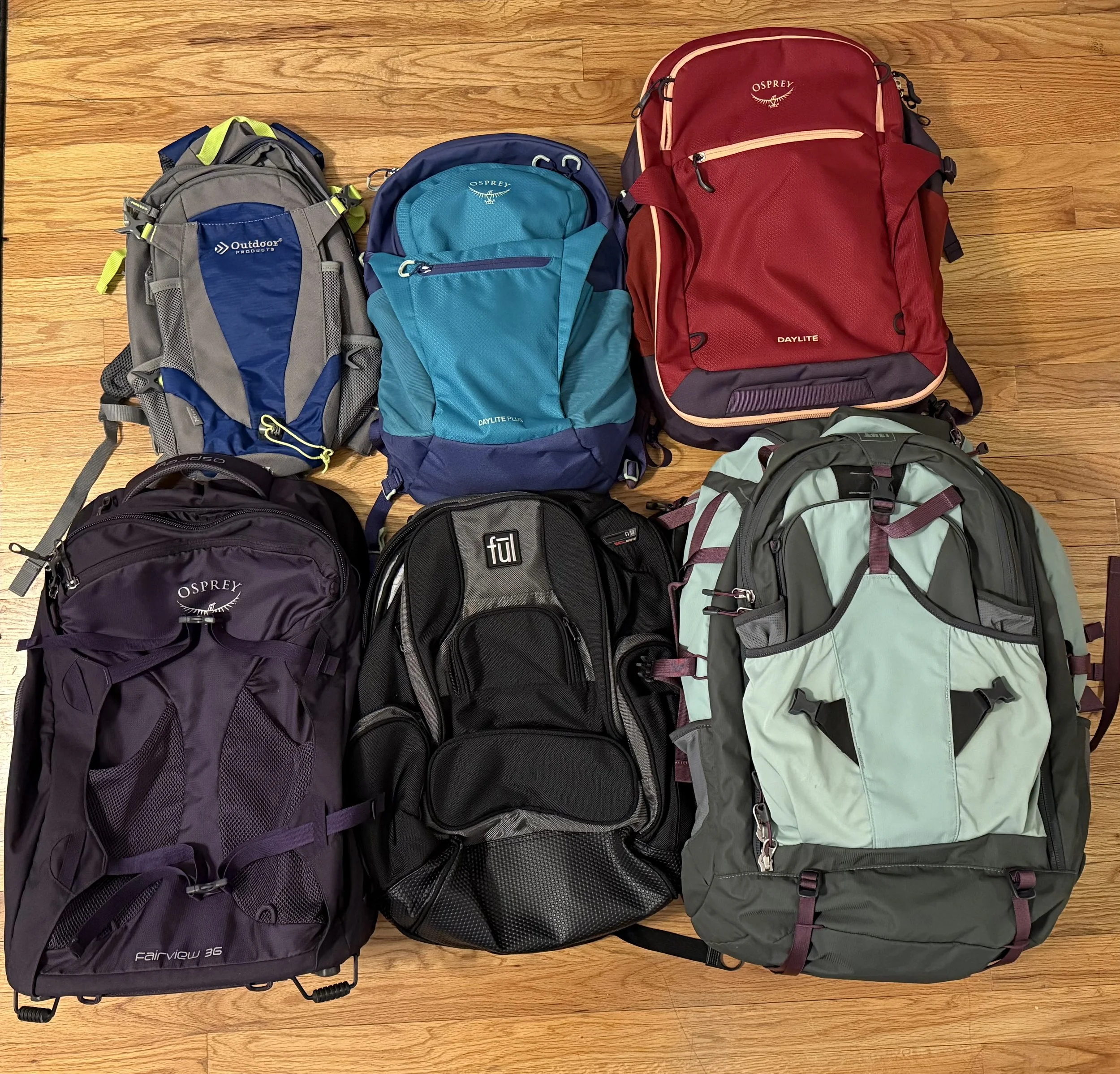
When it comes to travel backpacks, I have more than a few. From day packs to overnight packs, rolling backpacks to hydration packs, and even specialized camera backpacks, I own them all. Why? Because having the right backpack can make or break your journey.
A great backpack isn't just about size; it’s about comfort, durability, and functionality. The best ones offer:
Adjustable, padded shoulder straps for comfort
A ventilated back panel to prevent overheating
A sturdy frame for even weight distribution
Multiple compartments for organization
Reinforced stitching for long-lasting durability
How to Choose the Right Backpack
The ideal backpack depends on your destination and purpose. Whether you're exploring a city, embarking on a multi-day trek, or packing for a rugged adventure, there’s a perfect backpack for every scenario. But how do you determine the best size? Let’s break it down.
Backpack Sizes & Their Uses
Backpacks are measured in liters (L), reflecting the total volume they can hold. Here’s a guide to choosing the right one:
1. Extra Small (10L – 20L) – Everyday Essentials
Best for: Day trips, urban commuting, ultra-light travel.
Use case: Holds essentials like a wallet, phone, water bottle, and a light jacket.
Example: A 15L backpack is perfect for carrying an iPad, snacks, and a guidebook while exploring a city.
Brand Recommendation
- Patagonia Atom Sling 8L
- Osprey Daylite 13L
- Bellroy Classic Compact 20L
2. Small (20L – 30L) – Perfect for Weekends
Best for: Weekend trips, carry-on personal items, daily commuting.
Use case: A 25L backpack fits a change of clothes, a small toiletry bag, and a laptop, ideal for weekend getaways.
Example: Many minimalist travelers use a 30L pack as their only bag for multi-day trips.
Brand Recommendation
- Nomatic Backpack 20L-24L
- Timbuk2 Authority Pack 22L
- Osprey Tropos 26L
3. Medium (30L – 40L) – The Ideal Carry-On
Best for: Short-term travel (3-7 days), lightweight one-bag travel.
Use case: A 35L backpack holds a week’s worth of clothes, toiletries, and travel gear, perfect for one-bag travelers.
Example: A 40L bag is the maximum size allowed for most airline carry-ons.
Brand Recommendation
- Peak Design Travel Backpack 30L-35L
- Nomatic Travel Pack 40L
- Tortuga Travel Backpack 40L
- Osprey Farpoint/Fairview 40L
4. Large (40L – 50L) – Versatile for Longer Trips
Best for: 1-2 week trips, adventure travel, backpacking.
Use case: Spacious enough for extra clothes, shoes, and gear while still being manageable for carry-on.
Example: A 45L backpack is ideal for digital nomads or extended trips.
Brand Recommendation
- Tom Bihn Aeronaut 45L
- Osprey Porter 46L
- Deuter Aviant Access Pro 50L
- REI Co-op Ruckpack 50L
5. Extra Large (50L – 70L) – Checked Baggage Range
Best for: Long-term travel, trekking, camping.
Use case: A 60L backpack can fit cold-weather gear, hiking supplies, or extended travel essentials.
Example: A 55L travel backpack works well for both city and outdoor adventures.
Brand Recommendation
- Gregory Baltoro 65L / Deva 60L
- Osprey Atmos AG 65L / Aura AG 65L
- Deuter Aircontact Lite 60+10L
6. Expedition Size (70L – 100L+) – Built for the Extreme
Best for: Multi-week expeditions, long-term backpacking, mountaineering.
Use case: Designed for serious outdoor adventures like trekking the Himalayas or thru-hiking long trails.
Example: A 75L pack is great for carrying camping gear, food, and extra clothing for extreme climates.
Brand Recommendation
- Osprey Aether AG 85L / Ariel AG 75L
- The North Face Banchee 90L
- Hyperlite Mountain Gear 70L+
Bag styles change regularly with fashion and functionality trends, but their primary purpose, carrying and organizing belongings—remains the same. Check company websites for the latest models.
Which Backpack Size is Right for You?
Short trips (1-3 days): 20L – 30L
Week-long trips: 30L – 45L
Long-term travel (1+ weeks): 45L – 65L
Outdoor & expedition travel: 65L+
A well-made backpack will be your travel companion for years, carrying not just your gear, but memories from around the world. Choose wisely!
Pro Tip: Consider Warranty & Repair Policies
Some brands offer lifetime warranties and repair services to ensure longevity:
- Osprey "All Mighty Guarantee" – Free repairs for any damage.
- Patagonia "Ironclad Guarantee" – Repairs or replaces faulty products.
- Nomatic & Peak Design – Strong warranties with excellent customer support.
- Deuter & Gregory – Lifetime warranties on manufacturing defects.
Affordable Travel Backpacks Under $100
Travel backpacks can be pricey, often exceeding $300, but you don’t need to spend that much to get a reliable and functional bag. Here are a few budget-friendly options, all priced at $100 or less:
- Matein Travel Laptop Backpack – $40-$50
- Amazon Basics Carry-On Travel Backpack – $50-$70
- Osprey Daylite Plus – $75-$90
- REI Co-op Ruckpack 18 – $80-$100
- Venture Pal 40L Lightweight Backpack – $30-$40
- WITZMAN Vintage Canvas Backpack – $50-$70
- High Sierra Loop Backpack – $40-$60
- Big Easy Water Resistant 17” FŪL Backpack — $50-$100
- Urban Hicker Travel Backpack — $30-$100
These backpacks offer a balance of affordability, durability, and functionality, proving you don’t have to spend a small fortune to find a great bag!
Traveling the U.S. by Train: Complete Amtrak Guide for Beginners
There’s something magical about traveling by train. It’s a relaxed way to take in stunning landscapes, meet new people, and experience the rhythm of the journey. In the United States, Amtrak is the go-to service for rail travel, offering a comfortable and scenic way to explore the country. Whether you’re planning a short getaway or an epic cross-country adventure, Amtrak has something for everyone. Here's everything you need to know to book your trip and make the most of your time on the rails.
How to Book Your Amtrak Trip
Booking an Amtrak ticket is easy and can be done in a few different ways:
1. Amtrak Website
The simplest way to book your ticket is through Amtrak’s website (www.amtrak.com). Just enter your departure and arrival cities, pick your travel dates, and you’ll see a list of trains to choose from. Amtrak offers routes across the entire country, from the breathtaking California Zephyr (Chicago to San Francisco) to the Northeast Regional (Boston to Washington, D.C.).
2. Amtrak Mobile App
If you’re always on the move, the Amtrak app (available for iOS and Android) is super handy for booking tickets, managing your reservation, and tracking your train’s status in real-time. It’s perfect for quick updates or last-minute changes to your plans.
3. Travel Agencies or Third-Party Sites
If you like using travel agencies or websites like Expedia or Rail Europe, you can book through them too. However, the official Amtrak website or app tends to offer the best prices and most up-to-date information.
4. Phone or Ticket Counter
Prefer to talk to a person? No problem! You can always call Amtrak’s customer service at 1-800-USA-RAIL or visit a ticket counter at major stations. This is a great option if you have questions or need extra assistance.
Amtrak Train Types and Seating Options
Amtrak offers a range of train options to suit different travel styles and budgets:
1. Regional vs. Long-Distance Trains
Amtrak runs both regional and long-distance trains. Regional trains are great for shorter trips, while long-distance options like the Empire Builder or Sunset Limited are perfect for a cross-country adventure, offering scenic views along the way.
2. Coach Class
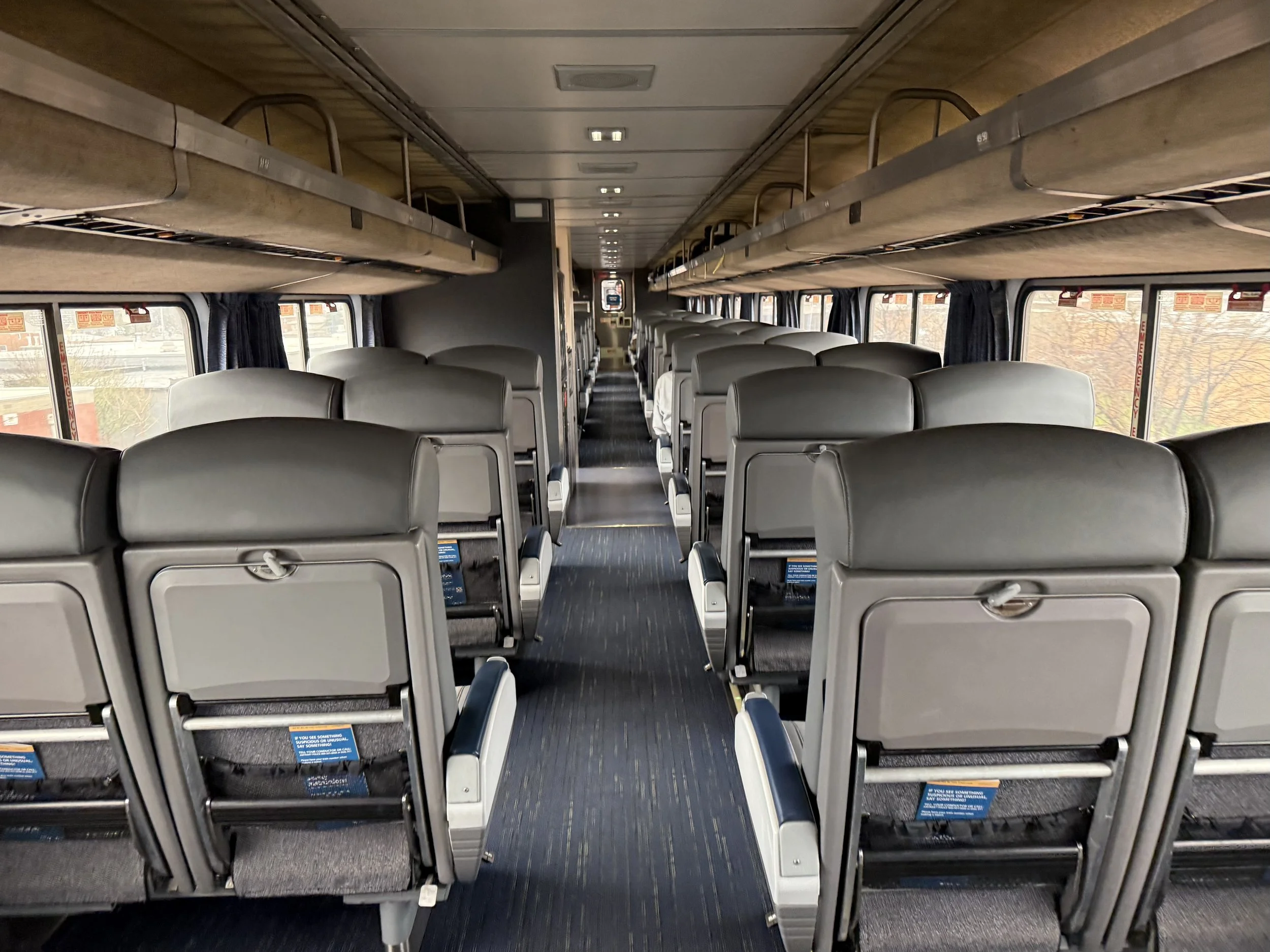
Coach seats are comfy and spacious, with plenty of legroom and room to stretch out. Most trains also have power outlets and free Wi-Fi (though service can be spotty in remote areas). Coach is the most affordable option and perfect for shorter trips or if you prefer to travel in a laid-back style.
3. Business Class
For a little extra comfort, Business Class offers larger seats, more legroom, and quieter cars. Some routes also include complimentary snacks and beverages. It’s a great middle-ground if you’re looking for a more peaceful experience without going all in on a sleeper car.
4. Sleeper Cars
Planning a long trip (think 6+ hours)? You might want to consider booking a sleeper car. These private rooms come with beds, a bathroom, and sometimes even a shower! There are different options, like the more budget-friendly Roomette(which has a fold-down bed and shared facilities) and the spacious Bedroom (which includes a larger bed and a private bathroom). Sleeper car tickets also come with meals included, so it’s a solid value for overnight travel.
Tips for a Relaxed and Fun Train Trip
While Amtrak trains are built for comfort, here are a few things to keep in mind for the best experience:
1. Arrive Early
It’s always a good idea to get to the station at least 30 minutes before your departure time. That way, you’ll have time to check in, find your platform, and settle in. Some stations also have security screening, so give yourself a little extra time.
2. Pack Smart
Amtrak allows a generous luggage policy, but it’s still best to pack light, especially for shorter trips. A small carry-on or backpack should do the trick. If you’re taking a longer trip, make sure to pack some personal items for comfort, snacks, a good book, or a tablet with downloaded movies or shows.
3. Bring Entertainment
Although Amtrak trains have Wi-Fi and power outlets, it can be spotty in some areas. Pack a book, download a podcast, or bring along a travel journal to keep yourself entertained while you’re cruising through beautiful scenery.
4. Enjoy the Dining Options
Many long-distance Amtrak trains have dining cars, and it's definitely worth checking them out. You can enjoy meals while meeting fellow travelers and taking in the views. If you’ve booked a sleeper car, meals are often included in your ticket. Just make sure to reserve a spot in the dining car during peak times, as it can get busy!
5. Embrace the Scenic Views
One of the best things about train travel is the incredible views. Whether you’re passing through the Rocky Mountains, rolling farmland, or coastal landscapes, make sure to sit by a window to soak it all in. Keep your camera handy, you’ll want to snap a few pics!
6. Make New Friends
Train travel has a fun social aspect that you don’t get with other forms of transportation. Take a break from your screen and chat with your fellow passengers. You never know who you might meet or what interesting stories they might have to share.
7. Be Flexible
While Amtrak is generally reliable, trains can sometimes be delayed due to weather or other factors. If there’s a delay, try to stay patient and make the best of it. Relax, enjoy the ride, or strike up a conversation with your seatmate.
11 Tips For Road Trips
As the weather warms up and the days grow longer, it’s the ideal time to embark on an adventure and explore new destinations. With countless miles and boundless possibilities, it’s time to hit the road. Whether you’re traveling solo, with friends, family, or colleagues, here are some valuable tips to ensure a memorable and budget-friendly trip.
1. Plan Your Route, but Stay Flexible
Use a GPS or map app to plan your general route, but leave room for spontaneity. Some of the best experiences happen when you veer off the main path. Consider adding scenic byways or national parks to your itinerary.
2. Pack Smart
Don’t forget to pack essentials like your phone charger, snacks, water, sunglasses, sunscreen, and any important medications. A small first aid kit is also a good idea. Make sure to pack comfortable clothing and shoes, as you’ll likely be sitting for long stretches. Bring along music playlists, audiobooks, or podcasts to keep things interesting.
3. Car Maintenance
Before hitting the road, make sure your car is in good shape. Check tire pressure, oil, and coolant levels. Make sure your spare tire, jack, and other emergency tools are accessible. Keep an emergency kit in your car with a flashlight, jumper cables, water, and any other tools you might need in an emergency.
4. Stay Well-Fed and Hydrated
Pack snacks like nuts, fruit, and protein bars to keep your energy levels up. Make sure to stop every few hours to stretch your legs and hydrate.
5. Take Breaks and Explore:
- Use rest stops to take quick breaks from driving and recharge.
- Take time to explore small towns or roadside attractions. You might discover hidden gems!
6. Safety First:
- Always wear your seatbelt and ensure passengers do the same.
- Keep an eye on the speed limits and traffic laws of the areas you’re driving through.
- If you start to feel tired, take a break and consider sharing the driving if possible.
7. Use Apps for Convenience:
Apps like GasBuddy can help you find the best gas prices along your route.
8. Find a Place to Stay
- If you don’t have a place booked, use apps like Airbnb or Booking.com to find last-minute options.
- Yelp or Google Reviews are your best friends when it comes to finding the best local spots to eat.
9. Capture the Moments:
Take pictures of the stunning scenery, quirky landmarks, and fun moments you encounter. It’ll be a treasure trove of memories to look back on.
10. Be Prepared for the Unexpected:
- Check the weather forecast for the areas you’ll be driving through and have a backup plan in case of bad weather (especially for camping).
- Have alternative places to stay in case your first option is booked or doesn’t work out.
11. Embrace the Journey:
Go with the flow. Sometimes, the best moments on a road trip come from spontaneous detours and unexpected encounters. Stay positive and open to new experiences.
You have the POWER! Plugs and Sockets used around the world.
When traveling internationally, understanding the difference between plugs and sockets is crucial for a smooth and hassle-free experience.
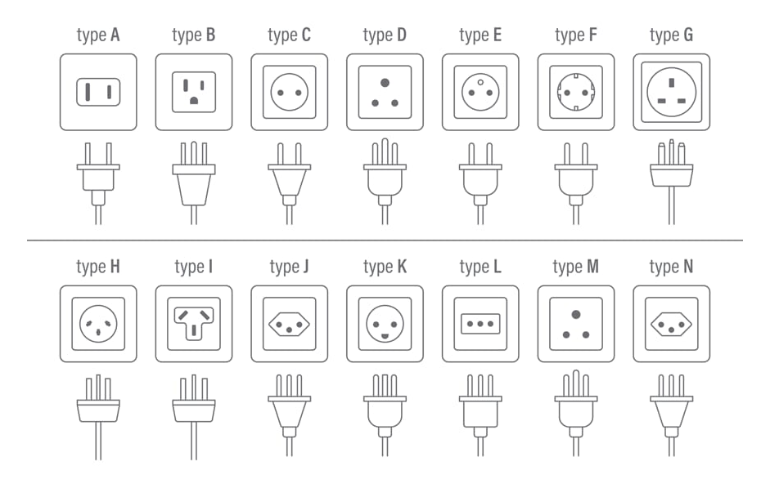
Let’s talk about the plugs. There are 15 types of plugs and sockets that can be found world wide with Types A and C being the are the most common.
Here is a full list of the Plug types and the countries they are used in.
Type A
Used in: North and Central America, Japan, and a few other countries
Plug Description: Two flat parallel pins
Voltage: 100–127V
Frequency: 50/60Hz
Type B
Used in: North and Central America, Japan
Plug Description: Two flat parallel pins and a round grounding pin
Voltage: 100–127V
Frequency: 50/60Hz
Type C
Used in: Europe, South America, Asia (except UK, Ireland), and many other countries
Plug Description: Two round pins
Voltage: 220–240V
Frequency: 50Hz
Type D
Used in: India, Sri Lanka, Nepal, and some other countries
Plug Description: Three round pins (in a triangular pattern)
Voltage: 220–240V
Frequency: 50Hz
Type E
Used in: France, Belgium, Poland, Slovakia, Czech Republic, and some other countries
Plug Description: Two round pins with a hole for the grounding pin
Voltage: 220–240V
Frequency: 50Hz
Type F
Used in: Germany, Austria, Netherlands, Spain, and many other countries in Europe
Plug Description: Two round pins with two grounding clips on the sides
Voltage: 220–240V
Frequency: 50Hz
Type G
Used in: United Kingdom, Ireland, Malta, Malaysia, Singapore, and some other countries
Plug Description: Three rectangular pins (larger ground pin)
Voltage: 220–240V
Frequency: 50Hz
Type H
Used in: Israel, the West Bank, and the Gaza Strip
Plug Description: Three round pins in a triangular pattern
Voltage: 220–240V
Frequency: 50Hz
Type I
Used in: Australia, New Zealand, Papua New Guinea, China, and Argentina
Plug Description: Two flat angled pins with a grounding pin
Voltage: 220–240V
Frequency: 50Hz
Type J
Used in: Switzerland and Liechtenstein
Plug Description: Three round pins, with a grounding pin
Voltage: 220–240V
Frequency: 50Hz
Type K
Used in: Denmark and Greenland
Plug Description: Two round pins and a grounding pin
Voltage: 220–240V
Frequency: 50Hz
Type L
Used in: Italy, Chile, and a few other countries
Plug Description: Three round pins in a straight line
Voltage: 220–240V
Frequency: 50Hz
Type M
Used in: South Africa, Swaziland, Lesotho, and a few other countries
Plug Description: Three round pins, larger than Type D
Voltage: 220–240V
Frequency: 50Hz
Type N
Used in: Brazil
Plug Description: Two round pins and a grounding pin
Voltage: 100–127V or 220–240V
Frequency: 50Hz
Type O
Used in: Thailand
Plug Description: Three round pins
Voltage: 220V
Frequency: 50Hz
Where can You buy an adapter?
1. Online Retailers
2. Electronics Stores
3. Airport Stores
4. Travel Specialty Stores
5. Pharmacies and Drugstores
6. Supermarkets
7. Local Shops in Your Travel Destination
8. Travel Websites
Tips for Buying:
Check Compatibility: Before purchasing, ensure the adapter supports the plug types and voltage requirements of the countries you're visiting.
Universal Adapters: Consider investing in a universal plug adapter. These adapters can be used in multiple countries, offering flexibility for future trips.
The Where’s Why’s What’s and How’s of Travel. Questions to Ask When Planning Your Next Adventure.
Every time I start planning a trip, whether it’s a weekend escape or a passport-stamping kind of adventure, I come back to the same questions. Not because I love overthinking (okay, maybe a little), but because travel is more than just booking a flight and hoping for the best.
It’s about being intentional. About knowing what kind of experience I want to have, how I want to move through a place, and what I need to feel comfortable, curious, and open while I’m there.
This isn’t a checklist for the sake of being prepared (though that’s helpful too). It’s a way to pause and plan with purpose. These are the questions I ask myself before every trip, and honestly, they’ve saved me more times than I can count.
If you’re planning your first trip, or just trying to be more mindful about your next one, this list is a good place to start.
1. Where do I want to go?
Start with your destination. It could be a country you’ve always dreamed of, a city you saw in a movie, or somewhere you randomly landed on while scrolling Instagram. Narrow it down based on interests, beaches, mountains, culture, history, food, or maybe just the vibes.
2. Why do I want to go there?
Ask yourself what’s pulling you to this place. Is it curiosity? Relaxation? A cultural festival? Tracing family roots? Your motivation will shape how you plan and what you prioritize once you arrive.
3. What do I want to do and see?
Make a loose list of must-sees, bucket list activities, and experiences. Think museums, local hikes, street food, markets, temples, beaches, or even just places to sit and people-watch. This helps with itinerary structure and pacing.
4. How do I plan to get there?
Will you fly, take a train, drive, or cruise? Consider travel time, costs, and layovers. If it’s international, compare airlines and see if budget carriers or regional options can save you money.
5. Where am I going to stay once I arrive?
Hostels, hotels, vacation rentals, homestays, or eco-lodges, all come with different price points and vibes. Choose based on location, safety, reviews, and your preferred level of comfort.
6. What experience am I looking to have?
Is this a cultural deep-dive, a luxury getaway, a nature escape, or a food-focused adventure? Identifying this early will help set a tone for your planning (and your expectations).
7. How am I going to fund my trip?
Budgeting isn’t glamorous, but it’s necessary. Break down your expected costs: flights, accommodations, food, excursions, local transport, and extras. Set a savings goal and track your spending.
8. What tours or excursions do I want to go on?
Research local experiences: guided hikes, cooking classes, walking tours, or wildlife safaris. Booking some in advance can save you money, and ensure availability, especially during high season.
9. What’s the culture of the place?
Understanding a place’s customs, values, and traditions will enrich your experience. It also helps you travel respectfully and avoid unintentionally offending locals.
10. How will I get around?
Will you rent a car, use public transit, bike, or rely on rideshares and taxis? Some destinations are walkable, others are not. Know what’s available and how it works.
11. Do I know anyone where I’m going?
Old friend? Distant relative? Fellow traveler you met last year? Reach out. Local connections can provide insider tips, company, or even a couch to crash on.
12. How will I navigate language barriers?
Learn a few key phrases. Download offline translation apps. Carry a phrasebook if needed. Most places appreciate the effort, even if it’s not perfect.
13. What’s the political climate of the location?
Stay informed. Check travel advisories and understand any current unrest, protests, or election periods. It’s not just about safety, it’s also about being aware and respectful.
14. How long do I want to stay?
Your timeline affects your pace. Are you hitting a place for a weekend or settling in for a few weeks? Consider visa durations and how much time you need to explore without feeling rushed.
15. How do I plan on staying in touch with friends and family?
Wi-Fi, international SIM cards, roaming plans, or messaging apps like WhatsApp, have a system. Especially important if you’re traveling solo.
16. Will I have access to the internet if needed?
Check if your accommodations and local cafés have free Wi-Fi. In more remote areas, you may need to buy a hotspot or a local SIM card with data.
17. What’s the temperature and climate like?
Don’t get caught packing shorts in monsoon season or sweaters in a heatwave. Look up average temps, seasonal weather patterns, and how it might affect your plans (e.g., closed roads, flooded trails).
18. Do I need a passport?
If you’re leaving the country, the answer is almost always yes—and it should be valid for at least six months beyond your return date. Some domestic travel (like cruises) may also require one.
19. What, if any, visas or vaccinations are required?
Check official government travel sites. Some visas are issued on arrival; others require months of planning. Vaccination requirements vary, especially post-pandemic and for tropical destinations.
20. What medical facilities are available?
Know where the nearest clinic or hospital is, especially if you have health concerns. Travel insurance with medical coverage is highly recommended for international travel.
21. Who, if anyone, will be my travel companions?
Solo, with friends, a group tour? Your companions influence your pace, lodging choices, and even the mood of the trip. Be clear about expectations and communication.
22. What time of year do I plan on traveling?
Seasons affect everything: prices, weather, crowds. Shoulder seasons (between peak and low) often offer the best of all worlds—fewer tourists, better deals, and decent weather.
23. Should I get travel insurance?
Yes. It’s often inexpensive and can be a lifesaver if you run into delays, cancellations, lost baggage, or medical emergencies. Always read the fine print.
24. How should I pack?
Pack smart, not heavy. Consider the climate, activities, and local customs. Choose versatile clothing, and don’t forget adapters, chargers, meds, and toiletries.
25. What necessities should I bring?
Passport, IDs, medications, snacks, water bottle, sunscreen, phone and charger, power bank, copies of important documents, and a good day bag. Think of things you’ll use every day, and don’t assume you can always buy them there.
26. What is the local currency and what is the exchange rate?
Know what things cost and how much your money is worth. Apps like XE Currency can help you convert on the go.
27. What forms of currency should I bring? Cash, credit cards, or both?
Both. Some places are still cash-based (especially rural areas or street vendors), while others are fully digital. Inform your bank of your travel dates to avoid card blocks.
28. Who will be my emergency contact should something happen?
Choose someone reliable, and make sure they know your itinerary. Share copies of your ID, insurance info, and flight details with them just in case.
29. What are some of the local practices and customs I should be aware of?
Research tipping etiquette, religious norms, greetings, gestures, and what’s considered rude. Small things go a long way in showing cultural respect.
30. What style of dress is appropriate for the intended location?
Beyond climate, think about cultural norms. In some places, modest dress is expected—especially at religious sites. Pack accordingly to avoid unwanted attention or disrespect.
31. Where is my nation’s embassy within the foreign nation?
Know where it is and how to contact them. They’re your first line of help if you lose your passport, get into legal trouble, or face an emergency abroad.
32. How do I safely store my travel documents?
Make digital copies of your passport, ID, and key documents. Store them in secure cloud storage and keep physical copies separate from originals. A money belt or locked luggage can help, too.
Travel planning doesn’t have to be overwhelming, but it should be intentional. The more you think through ahead of time, the more space you leave for spontaneity once you’re there. These questions aren’t about perfection; they’re about preparation. About knowing yourself, your limits, your interests, and what kind of adventure actually sounds fun to you.
So use this list. Tweak it. Add to it. Come back to it when you’re planning your next big thing, or your next quiet getaway. Wherever you’re headed, I hope it’s somewhere that feels right. And if you’re not quite sure where that is yet, these questions might help you figure it out.